Engineered to deliver exceptional color accuracy, high CRI, and seamless integration with complex dynamic architectures.
How the interplay of illumination levels, custom optics, and network infrastructure defines the modern premium guest experience.
In high-end nightclub and hospitality architecture, the design of the VIP Lounge acts as a critical driver of luxury brand identity and high-margin hospitality services. Lighting is no longer merely a utility; it is the fundamental medium through which spatial geometry, interior luxury, and human psychology interface. Achieving the optimal atmosphere requires a highly specialized product class, requiring direct technical alignment between spatial designers and specialized lighting factories. As global standards become more rigid, understanding the scientific mechanisms behind illumination design, chip specification, and system networking is key to procurement longevity and spatial impact.
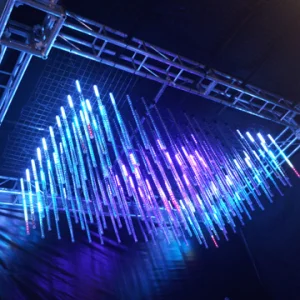
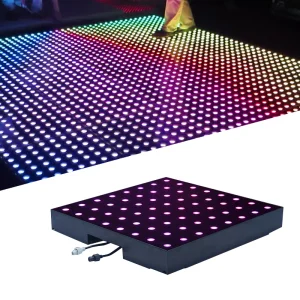
Unlike standard bar illumination, VIP lounge environments demand highly customized illumination systems. To create a feeling of intimacy while ensuring the environment remains dynamic, designers rely heavily on a combination of low-glare ambient light, high-CRI accent illumination, and pixelated feature installations. The primary goal is achieving perfect color fidelity (CRI Ra ≥ 95, R9 ≥ 90), allowing expensive structural materials, premium leather upholstery, top-shelf spirits, and human skin tones to appear natural and appealing.
Furthermore, avoiding flicker is paramount. Lower-grade LED fixtures utilize pulse-width modulation (PWM) rates below 2kHz, which often manifest as distracting banding lines on smartphone cameras. Modern VIP lounge lighting requires ripple-free constant current drivers or high-frequency PWM dimming systems operating above 20kHz, ensuring that guest selfies and influencer content captured in the space remain clear and free of artifact distortion.
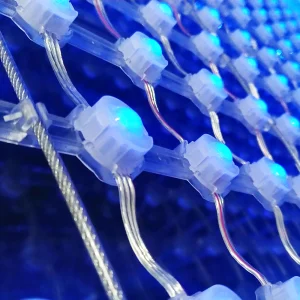
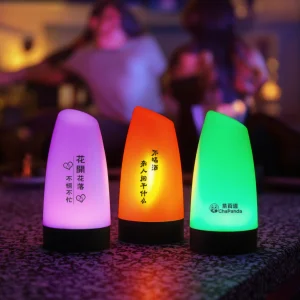
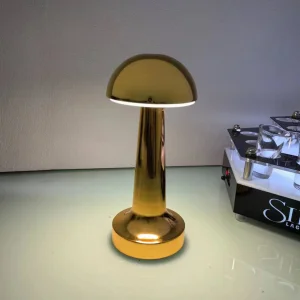
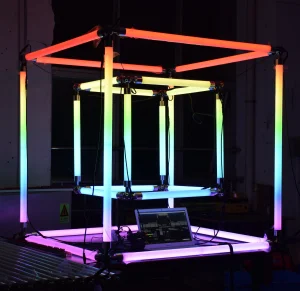
Modern commercial entertainment venues require lighting systems to integrate seamlessly with main stage consoles (e.g., grandMA3, Avolites). This requires all secondary illumination—such as LED mesh screens, under-counter linear strips, and dynamic tabletop lamps—to run on standard protocols like DMX512-A, Art-Net, or sACN. By integrating these systems, light shows can flow out from the main dancefloor into the private lounge areas, easing down to cozy, amber tones during intervals without manual system changes.
We source chips with high color rendering values (R9 values > 90). This guarantees that red tones in fabrics, skin tones, and premium spirits look rich and accurate, rather than appearing washed-out under low-light conditions.
By implementing 20kHz+ PWM frequencies and ultra-stable constant-current drivers, our fixtures remain completely flicker-free on camera, protecting the visual quality of guest social media posts.
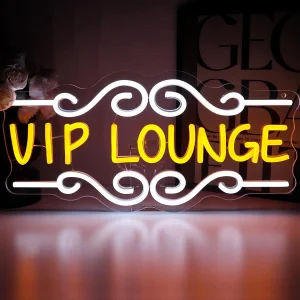
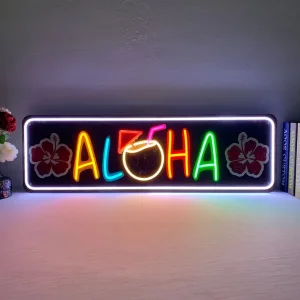
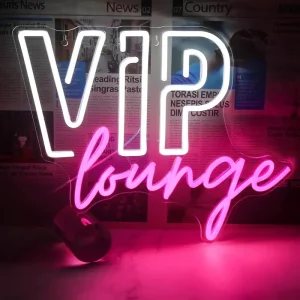
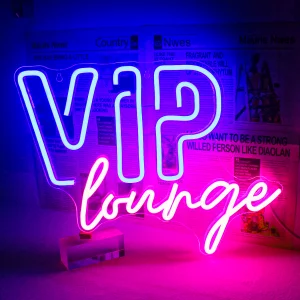
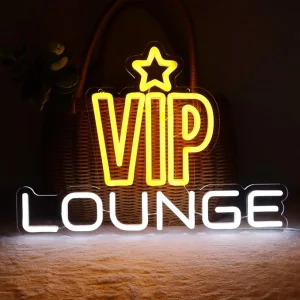
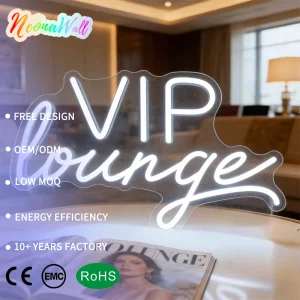
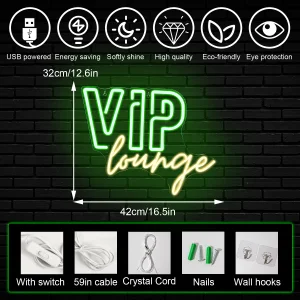
From custom LED ice buckets to wall-mounted neon signage, our club fixtures feature silicone-extruded IP65 or IP67 waterproofing, protecting them against drink spills and moisture ingress.
The convergence of architectural design, intelligent sensor networks, and semiconductor advancements.
Applying aerospace-grade 6063-T5 aluminum heatsinks and premium thermal paste to achieve operating temperatures below 65°C. This prevents lumen depreciation and color shift over long operation cycles.
Integrating RDM to allow two-way communication between control boards and lighting fixtures. System operators can monitor chip temperatures, update firmware, and isolate electrical issues remotely, reducing maintenance downtime.
Integrating ambient noise sensors and localized density tracking to let VIP lounge lighting adapt automatically. Systems can adjust intensity, transition speeds, and color palettes based on physical crowd behavior and music tempo.
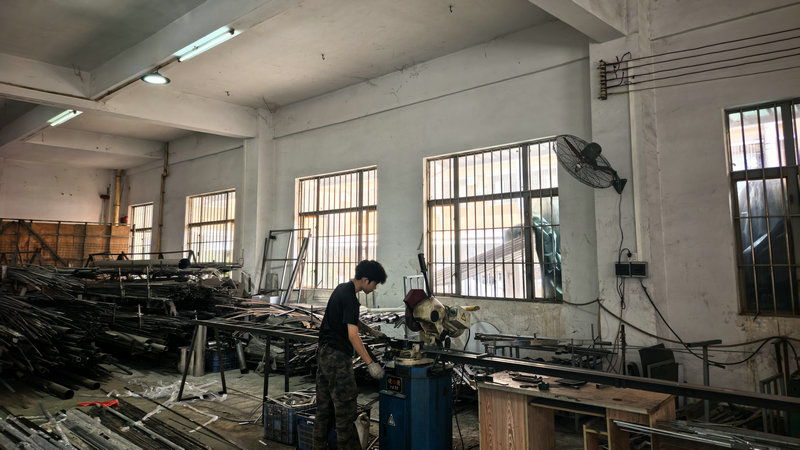
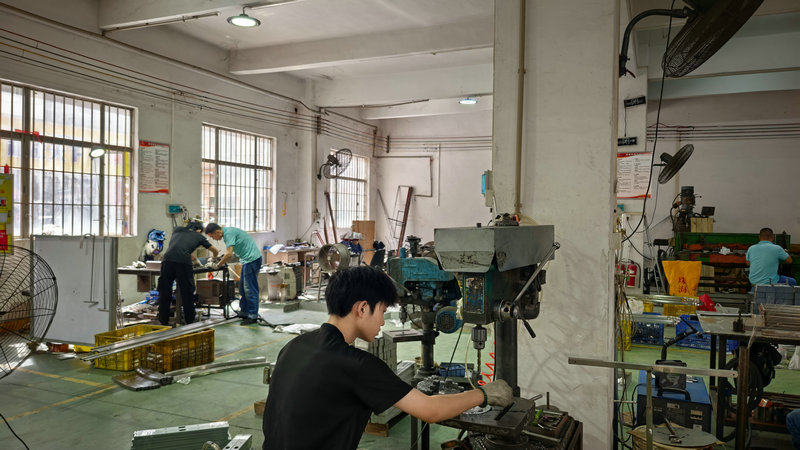
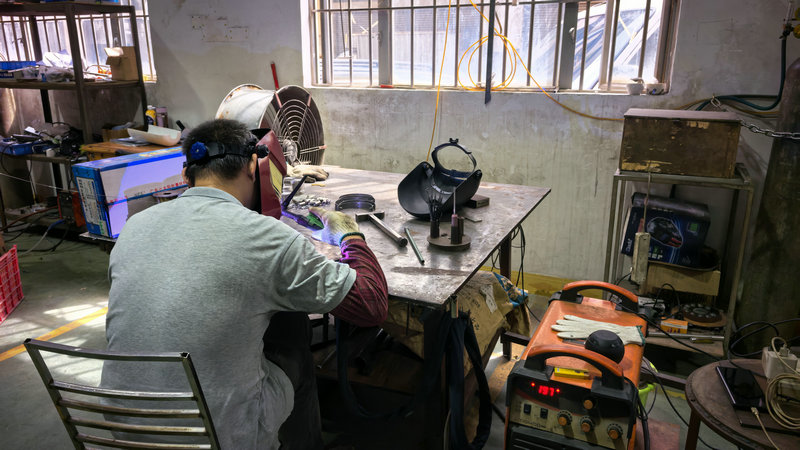
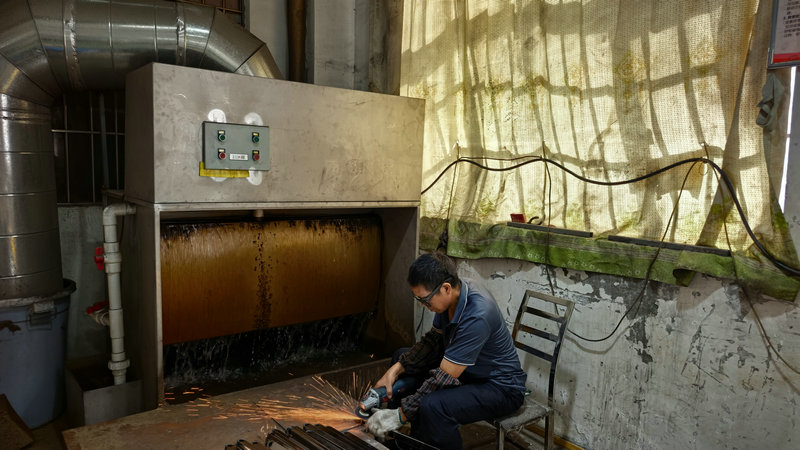
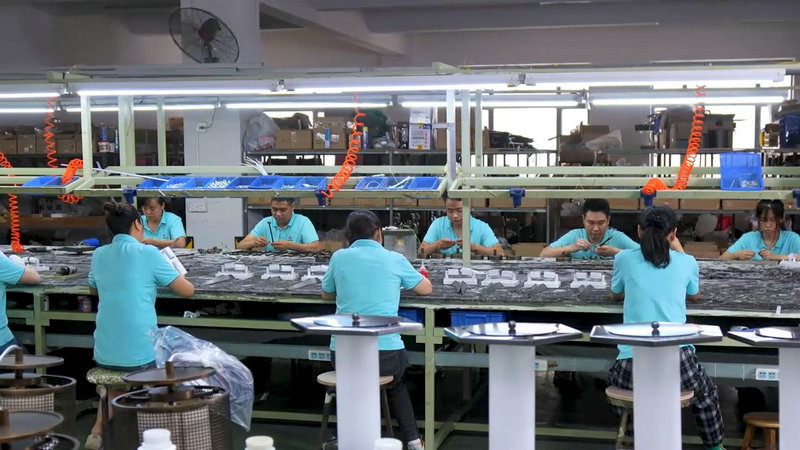
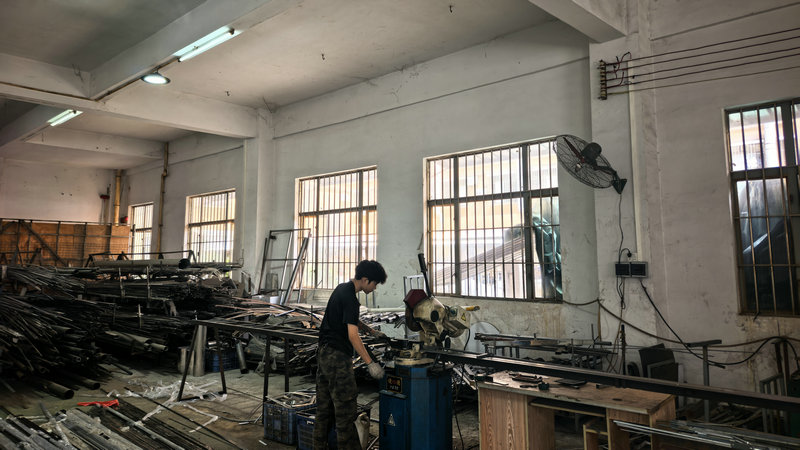
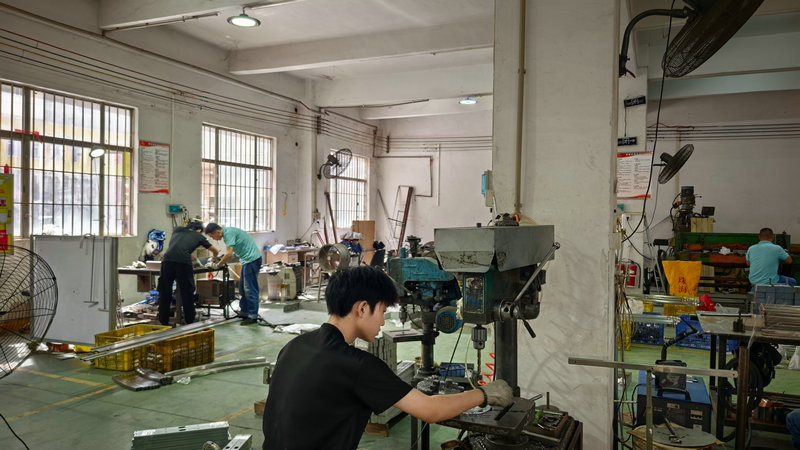
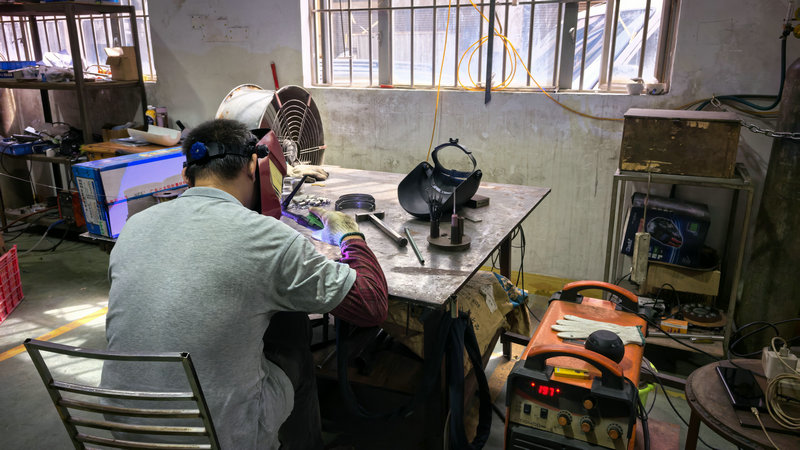
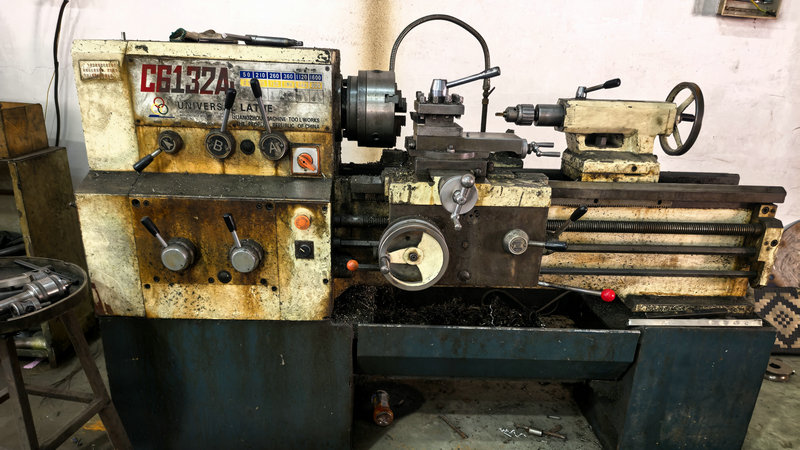
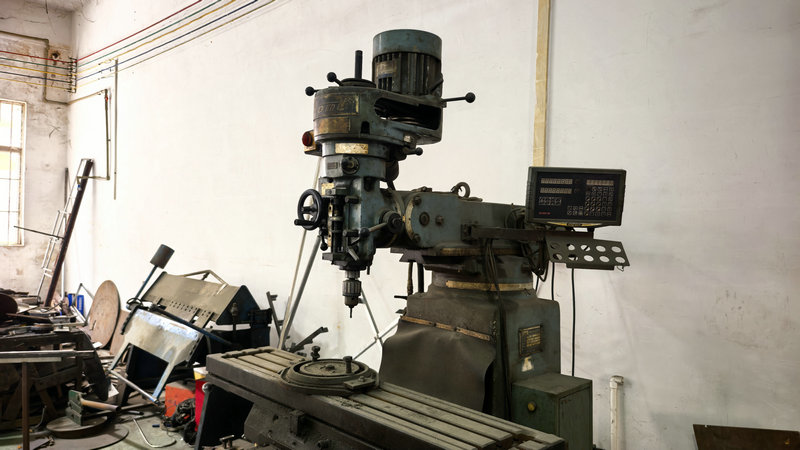
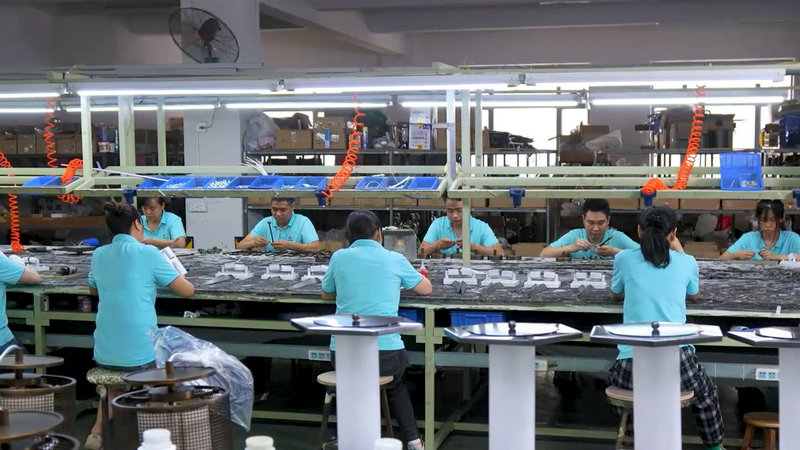
A look inside our advanced production base in Guzhen Town, Zhongshan—the heart of the Chinese Lighting Capital.
Guangdong Sienna Lights Co., Ltd. is situated in Guangdong Province, China, with its primary production facilities located in Guzhen Town, Zhongshan—recognized globally as the "Chinese Lighting Capital". The company operates as a professional manufacturing partner, offering design, research and development, custom production, and field engineering support. We specialize in custom lighting solutions for high-end hospitality, residential, and commercial developments.
Sienna Lights focuses on custom engineering projects, developing bespoke architectural and decorative systems for luxury clubs, hotels, corporate headquarters, and high-end residences. Our production capabilities support flexible OEM/ODM runs, letting us adapt to unique project criteria and custom architectural designs.
Equipped with advanced fabrication machinery and structured quality testing systems, Sienna Lights maintains an experienced team of structural engineers, industrial designers, and assembly technicians. Guided by a "quality-first" business philosophy, we run production in accordance with international standards, helping us export reliable equipment to projects across Europe, the Americas, the Middle East, and Southeast Asia.
How we address the compliance requirements and logistics challenges faced by global sourcing managers.
Global procurement teams must balance aesthetic choices with regional building safety codes. Operating high-voltage fixtures in damp club environments carries significant liability. To mitigate risk, we recommend running low-voltage DC lines (12V or 24V DC) for under-cabinet, accent, and furniture lighting. This ensures structural safety while preventing ground loops and electrical interference.
We source power supplies (such as Mean Well, Inventronics, or Lifud) that carry necessary international safety stamps, including UL, CE, FCC, RoHS, and PSE. Our products are engineered with robust over-current, over-voltage, and short-circuit protection to ensure continuous operation under demanding commercial conditions.
Developing bespoke lighting requires close alignment between architectural plans and factory tooling. We offer comprehensive design services, including detailed CAD submittals, photorealistic DIALux simulations, and rapid CNC-milled structural prototyping. Our engineering team reviews thermal loads and electrical layouts before manufacturing begins, avoiding costly errors during installation.
By using flexible extrusion molds and advanced multi-axis CNC lathes, we can customize dimensions, finishes, and optical beam spreads to meet project specifications, without requiring excessive minimum order quantities.
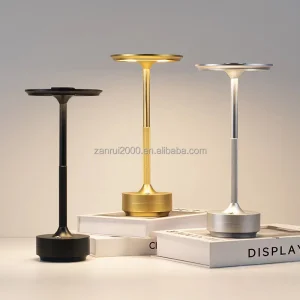
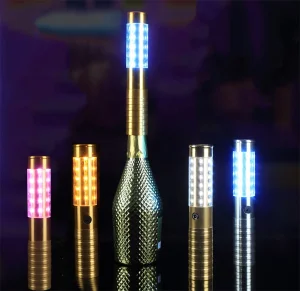
Advanced signages, table accessories, and architectural linear systems designed for hospitality environments.
Addressing the technical, logistics, and compliance questions of developers and procurement managers.
 Sienna Lights