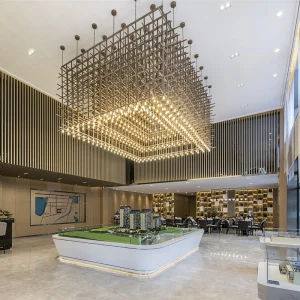
Modern hospitality and entertainment spaces, particularly VIP KTV lounges, private bars, and luxury hotels, rely heavily on spatial transitions. The corridor is no longer just a path; it is a sensory decompression chamber that defines the guest experience. Leading architectural design firms now prioritize Dynamic Lighting Systems to evoke immediate emotional responses, synchronize with sound waves, and establish brand prestige.
This comprehensive whitepaper explores the operational capacities of the top 10 global KTV corridor lighting manufacturers, analyzing their manufacturing capabilities, quality control mechanisms, and international compliance. By highlighting the technological roadmap from conventional low-voltage LED ribbons to smart IP67 DMX512 interactive fiber-optic installations, this guide serves as an authoritative procurement tool for global commercial developers, lighting consultants, and electrical engineering firms.
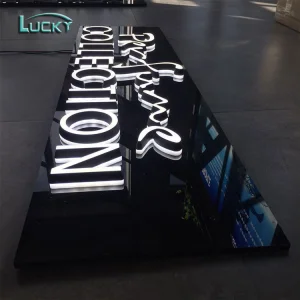
Explore the high-performance fixtures, custom signage, and dynamic architectural controllers engineered for premium commercial corridors and lounge spaces.
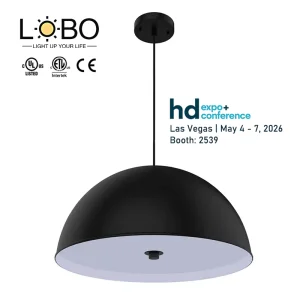
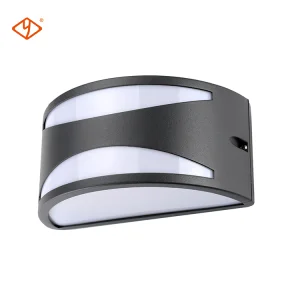
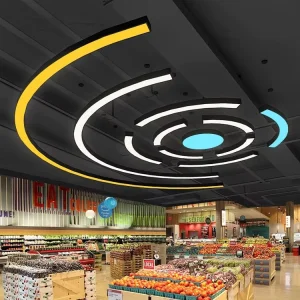
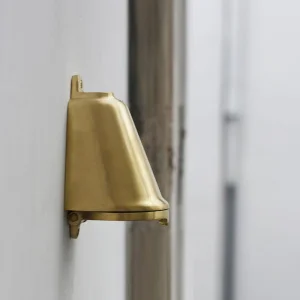
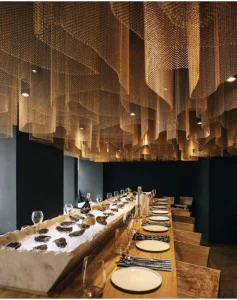
B2B procurement managers, MEP engineering consultants, and spatial designers look for specific technical, operational, and commercial criteria when choosing dynamic lighting suppliers. In the high-end entertainment and hospitality sectors, lighting is not just a decorative element; it is an active driver of customer retention and brand positioning. Below is an analytical breakdown of global procurement expectations:
Unlike residential environments, commercial KTV and hotel corridors run continuous 18-hour daily cycles. A system malfunction in a VIP corridor directly impacts guest perception and revenue. Procurement officers prioritize manufacturers that integrate dual-signal backup lines (such as double-data line IC configurations in addressable LED strips) so that if one pixel fails, the remaining elements continue to function smoothly without dark gaps.
Modern KTV corridor architectures use interactive sensors and real-time audio analysis. Manufacturers must provide controllers supporting DMX512, RDM, Art-Net, or SPI protocols. This allows developers to program unified visual sequences across the entire floor, matching the music beat, time of day, or emergency evacuation warnings.
Corridors experience high foot traffic. Lighting fixtures must resist accidental impacts and regular cleaning with chemical solvents. IP65 or IP67 ratings, thick aluminum profiles, and impact-resistant PMMA/silicone diffusers are standard specifications requested by hospitality developers. These features prevent yellowing, dust buildup, and moisture damage over years of continuous operation.
To achieve a premium ambiance, commercial entertainment spaces need integrated design approaches that combine lighting, acoustic planning, and floor layout. Top manufacturers do not just ship boxes of lights; they provide comprehensive macro-level spatial engineering solutions:
Uses low-profile aluminum channel lights and linear LED running effects to make corridors feel longer and wider. DMX controllers slowly transition color temperatures from warm white at reception to vibrant neon colors near the private rooms.
Connects sound pressure decibel levels directly to dynamic DMX-controlled LED systems. Ambient lighting matches the rhythm of the lobby music, adding energy to the space during peak hours and settling into calming tones during quieter periods.
Integrates smart control units with VIP booking software. When a guest checks in, the corridor lighting shifts to guide them down the hallway directly to their assigned KTV room door, creating a highly customized guest experience.
The commercial dynamic lighting market is rapidly moving away from standard, single-circuit RGB strips toward multi-addressable, high-density, and smart sensor-enabled lighting. The chart below highlights the technological transition from traditional installations to next-generation systems:
Standard RGB (4-wire analog)
Manual control boxes (IR/RF)
Low color rendering index (CRI < 70)
Thick PVC diffusers prone to rapid yellowing
Static installation patterns without sound integration
RGBW & RGBCCT addressable (SPI/DMX512)
High CRI (>90) with high-density LED arrays
Sound-activated matrices with offline programming
IP65 silicone extrusion with optimal heat dissipation
Seamless integration with hospitality central management
Real-time AI-based color tuning based on foot traffic patterns
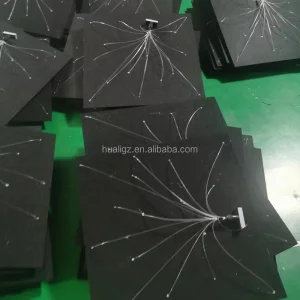
Ultra-durable, zero-loss plastic fiber optic ceiling stars
Low-power laser projection systems with custom app control
Eco-friendly smart power management to reduce carbon footprints
RDM protocol feedback indicating thermal or circuit status
Located in Guangdong Province, China, with its primary manufacturing facilities situated in Guzhen Town, Zhongshan—celebrated globally as the “Chinese Lighting Capital”—Guangdong Sienna Lights Co., Ltd. stands as a premier enterprise in custom commercial lighting systems.
Sienna Lights specializes in non-standard, highly customized engineering lighting projects. They provide tailor-made products for high-end KTV lounges, luxury hotels, commercial plazas, fine-decorated residential developments, and grand exhibition spaces. With robust OEM/ODM capabilities, Sienna Lights supports designers from initial concepts to final production.
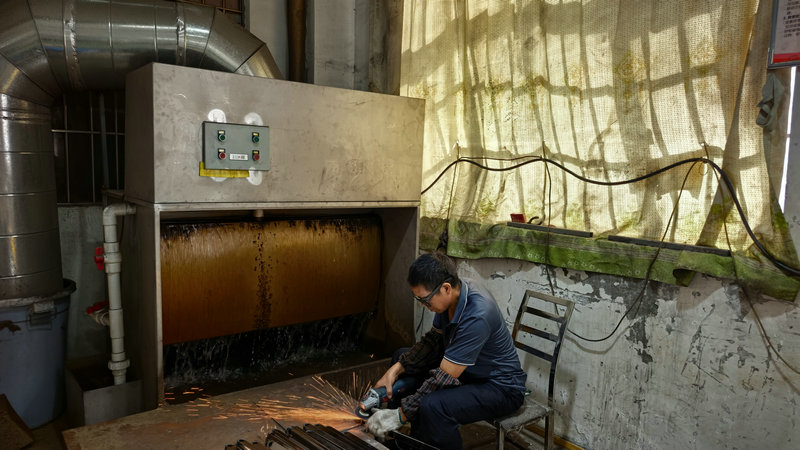
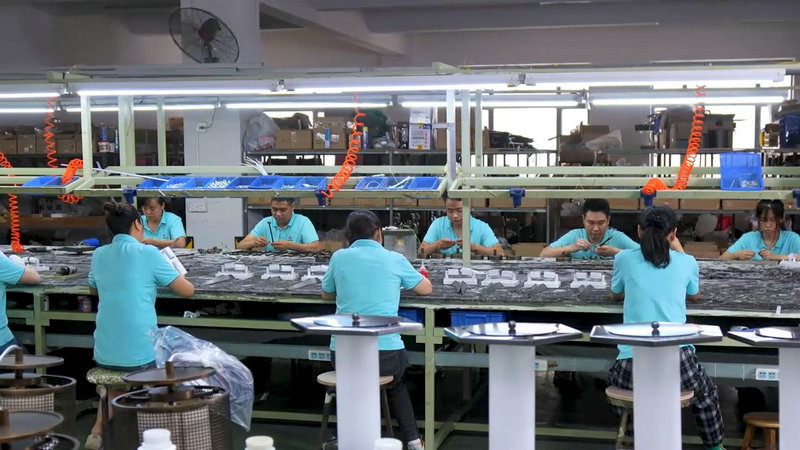
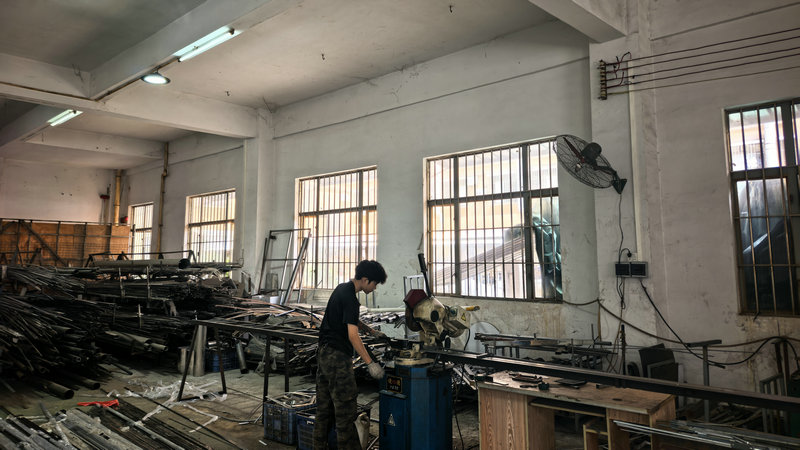
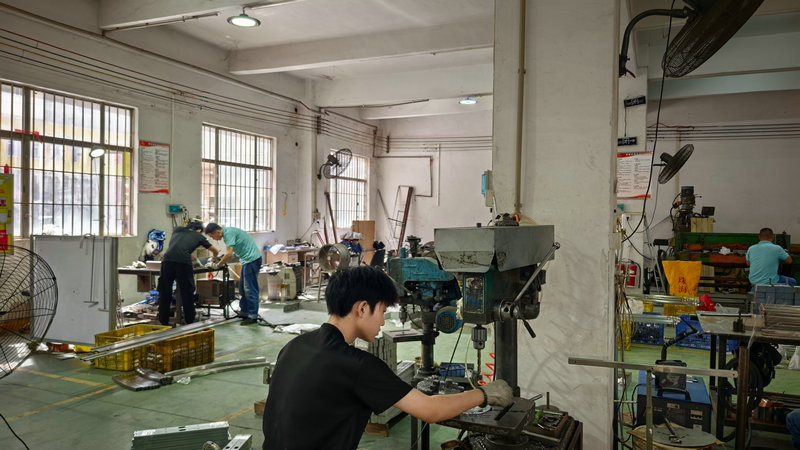
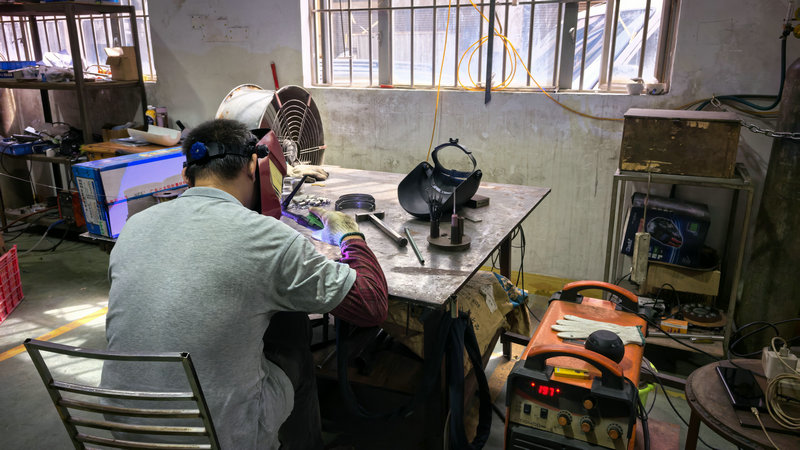
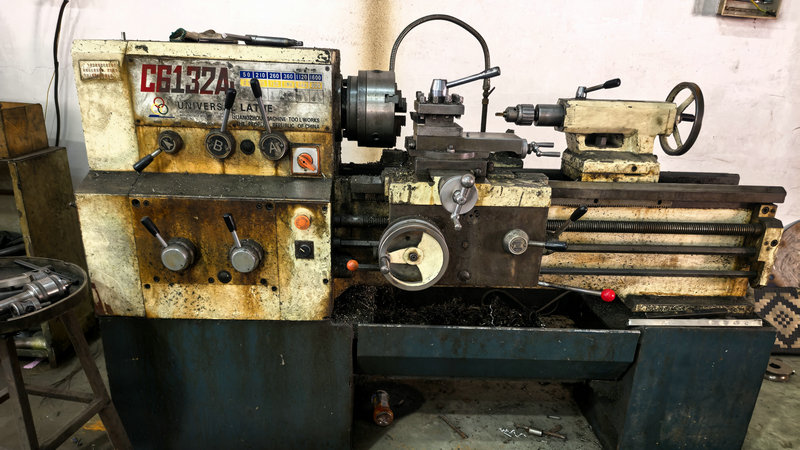
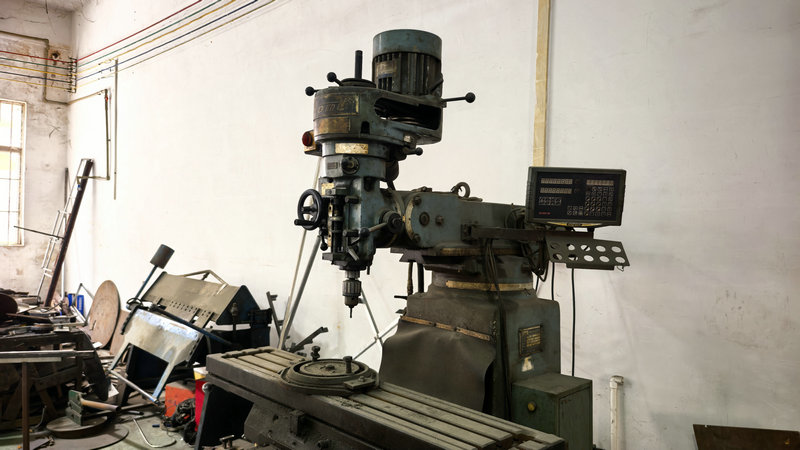
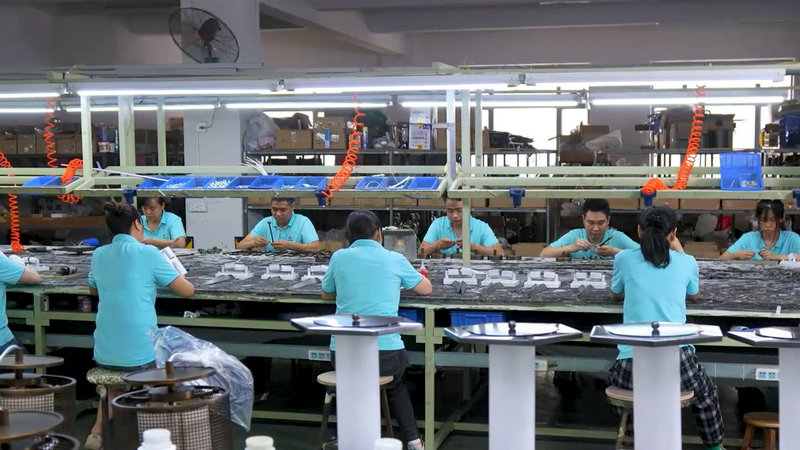
Guangdong Sienna Lights Co., Ltd. operates a modern production base equipped with precise fabrication machinery. The factory manages every step of the process internally: metal cutting, drilling, welding, grinding, and assembly. This end-to-end oversight ensures strict structural and optical quality control.
Their dedicated design and engineering departments work directly with architectural drawings, delivering photorealistic lighting layouts, wiring plans, and DMX mapping blueprints before production starts. This approach minimizes on-site installation challenges for engineering contractors.
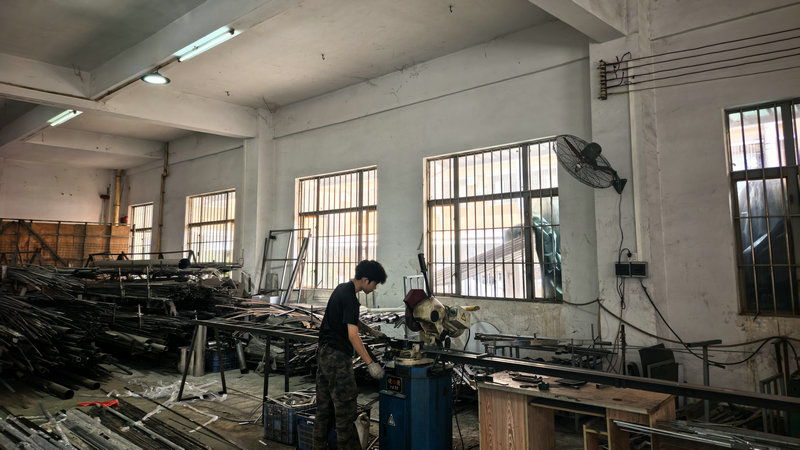
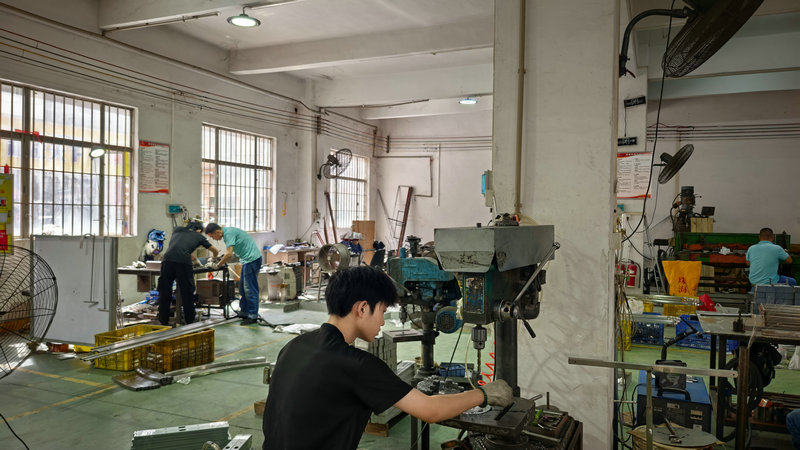
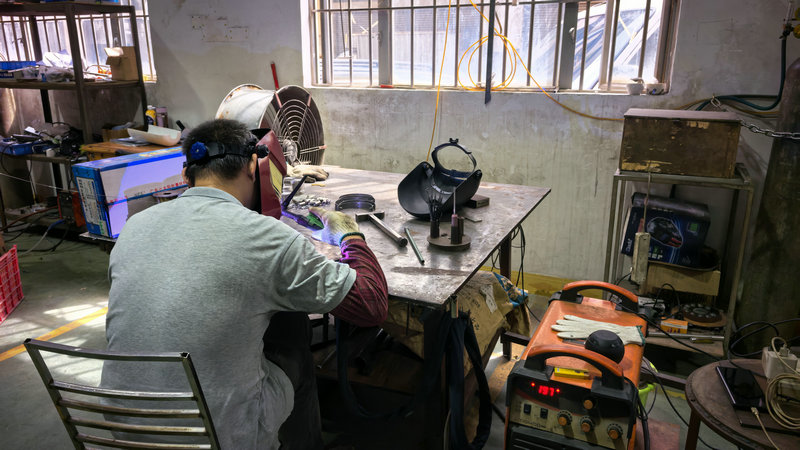
Navigating international customs, building codes, and safety standards is critical for a smooth project rollout. Top manufacturers ensure their products carry the necessary certifications to meet local regulations globally:
Full UL/cUL listings for structural pendant lights and power driver units, ensuring compliance with local fire safety and electrical codes. FCC Part 15 compliance prevents radio-frequency interference with commercial sound and wireless microphone setups.
Compliance with Low Voltage Directive (LVD) and Electromagnetic Compatibility (EMC) regulations. RoHS-certified component assembly ensures lead-free, eco-friendly disposal, which is vital for European public tenders and corporate sustainability goals.
Pre-shipment inspections and SASO Saber registration for projects in Saudi Arabia, CCC marks for mainland China, and PSE compliance for installations in Japan, securing smooth customs clearance and compliant commercial operations.
Leading manufacturers provide comprehensive export documentation, including Certificate of Origin (CO), bill of lading tracking, and customs-compliant packaging. Many maintain local warehousing and service centers in key markets like Europe, North America, and the Middle East, offering on-site technical assistance, replacement parts, and direct support during commissioning.
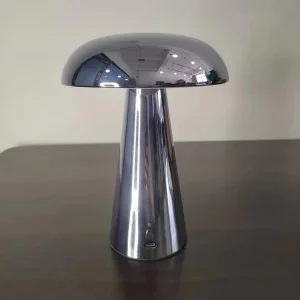
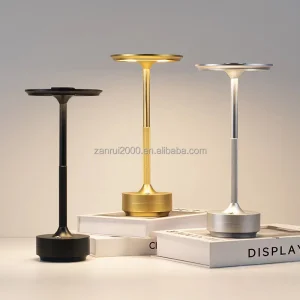
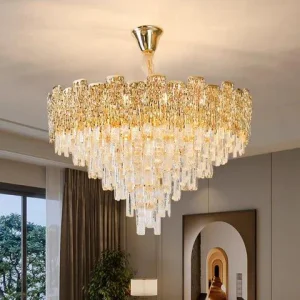
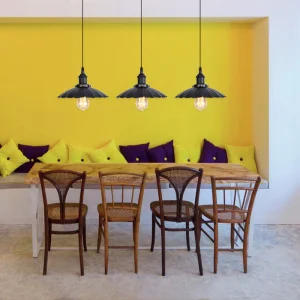
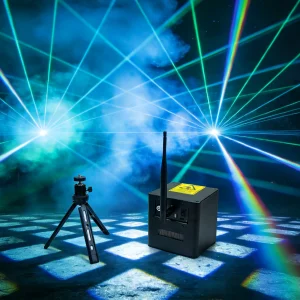
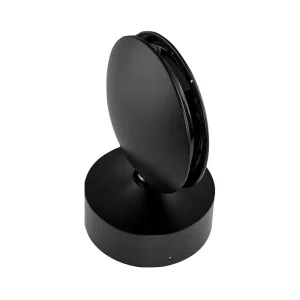
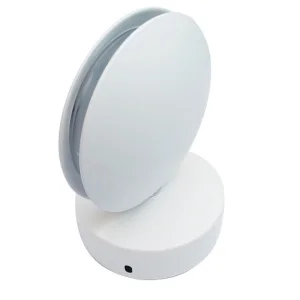
Complete architectural configurations: custom table accents, rotating exterior wall spots, water-resistant window LEDs, and dynamic laser systems.
Q1: What are the primary differences between DMX512 and SPI protocols in KTV corridor lighting installations?
DMX512 is the industry standard for robust, long-distance communication in commercial projects. It is a differential signaling protocol that allows up to 512 channels per universe, enabling easy integration with professional console desks. SPI (Serial Peripheral Interface) is typically used for direct pixel control on addressable LED strips. It handles high-density, complex animations over shorter distances due to signal degradation over long runs. For large corridor layouts, engineers often use DMX-to-SPI decoders to combine the stability of DMX with the detailed control of SPI.
Q2: How do manufacturers address heat dissipation challenges in enclosed corridor drywall channels?
Proper heat management is critical for extending LED life in enclosed ceilings. Leading manufacturers use high-grade 6063-T5 extruded aluminum profiles, which act as efficient heat sinks. They also design LED modules with copper-layered PCBs and specify external, well-ventilated power drivers placed in dedicated maintenance closets, rather than enclosing them directly inside the hot drywall channel.
Q3: What are the advantages of using fiber optic ceiling systems in dynamic corridor design?
Plastic PMMA fiber optic systems offer key advantages: they contain no electrical current or heat at the emission points, making them safe and maintenance-free. A single high-efficiency LED light source in an accessible location can power hundreds of ceiling star points, simplifying lamp replacements and reducing maintenance costs in busy commercial hallways.
Q4: What parameters determine dynamic color consistency (CRI & SDCM) in premium venues?
To maintain clean, uniform lighting down a corridor, fixtures must have a high Color Rendering Index (CRI > 90) and a tight binning tolerance. Leading manufacturers ensure color consistency by matching LED batches within a 3-step MacAdam Ellipse (SDCM < 3), preventing visible color shifts between adjacent fixtures along the wall.
Q5: How can dynamic corridor lighting contribute to fire safety and emergency evacuation procedures?
Smart controllers can interface with a building's fire alarm system via dry contacts or network commands. In an emergency, the dynamic corridor lighting automatically overrides the preset entertainment scenes, switching to high-brightness white pathfinding guides that point toward exits and help occupants evacuate safely.
Q6: Why is the transition to constant-current LED drivers vital for large commercial lighting systems?
Constant-current drivers provide uniform brightness across long fixture runs and protect the LEDs from voltage spikes. In large-scale corridor projects, using constant-current drivers reduces voltage drop issues, extends product life, and prevents the subtle flickering common in low-cost constant-voltage setups.
 Sienna Lights