Explore our top engineered solutions optimized for prestigious hotel, lounge, and KTV projects across North Africa.

Algeria's commercial hospitality and entertainment sectors are experiencing a major structural shift. In key urban centers such as Algiers, Oran, and Constantine, developers and nightclub owners are moving away from traditional, static lighting setups toward immersive, digital, and sensory environments. KTV (Karaoke Television) venues, which are increasingly integrated into luxury hotels, shopping malls, and upscale residential entertainment zones, are demanding state-of-the-art visual experiences to attract a younger, tech-savvy demographic.
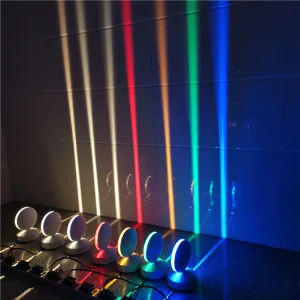
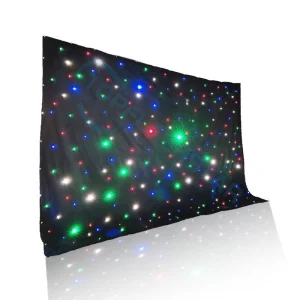
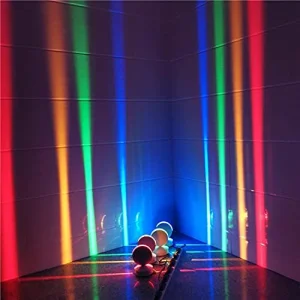
Corridors in KTV and lounge clubs are not merely transitional pathways; they serve as the crucial prologue to the guest's entertainment experience. Designers are leveraging dynamic digital lighting systems, such as DMX512-controlled pixel mapping LED arrays, rotating sill lights, and fiber optic star ceilings, to construct futuristic, high-contrast entryways. These designs rely heavily on precise light distribution, color temperature changes, and synchronized audio-reactive patterns to generate excitement and visual depth.
The transition to dynamic lighting in Algeria is governed by two major factors: Energy efficiency policies (supported by the Algerian National Energy Conservation Program - APRUE) and the desire for brand differentiation. Traditional halogen and fluorescent lighting struggle with the high temperatures of North Africa, resulting in short lifespans and excessive AC cooling costs. By upgrading to architectural LED trick lights, high-density fiber optic ceilings, and low-power DMX linear drivers, KTV operators can reduce electric bills by up to 60% while drastically lowering maintenance down-times.
Designing dynamic light pathways in an Algerian commercial setting requires close attention to architectural physics, electrical stability, and thermal limits. Unlike typical residential applications, KTV corridor fixtures run continuously for 10 to 14 hours a day, often in enclosed, poorly ventilated spaces.
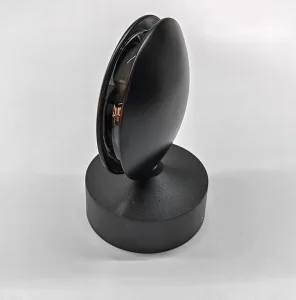
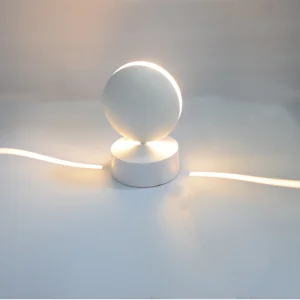
For seamless color-changing flows without stuttering, systems must utilize a robust master-slave controller layout. DMX512 protocols are used for fixtures demanding global dimming or precise spot rotations (such as 360-degree sill trick lamps), while SPI (Serial Peripheral Interface) protocol is preferred for high-density, individually addressable RGBW strip lighting along the baseboards or ceiling alcoves. Opto-isolated DMX splitters must be installed in every corridor zone to shield control units from potential voltage spikes.
The electricity grid in Algeria (230V AC, 50Hz) experiences voltage swings in commercial suburbs during peak usage. Consequently, we configure our high-power LED installations with wide-input, Constant-Current (CC) switching power supplies featuring active Power Factor Correction (PFC ≥ 0.95). These power modules prevent visible flicker, which can ruin the atmosphere and trigger headaches in customers.
Due to high ambient temperatures in Algeria during summer months, lighting fixtures must be housed in 6063-T5 extruded anodized aluminum. The structural design of the light casing features cooling fins that maximize air convection, keeping junction temperatures below 65°C. This protection ensures the LED chips (typically imported high-brightness Epistar or Osram SMD components) maintain color consistency over years of heavy use.
| Lighting Technology | Typical Control Protocol | Waterproof Rating Option | Primary Application Zone | Energy Efficiency (Lm/W) |
|---|---|---|---|---|
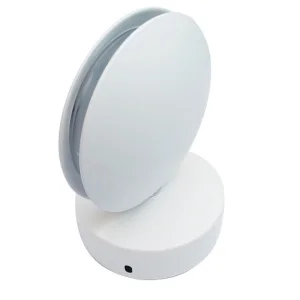
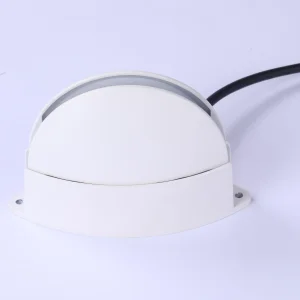
| 360° Rotating Sill Trick Lights | Analog / DMX512 | IP65 Aluminum | Arched Doors, Alcoves, Columns | 95 - 110 Lm/W |
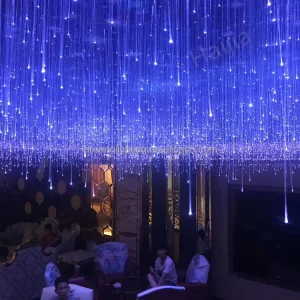
| PMMA Fiber Optic Star Ceilings | DMX512 / Remote Dimmable | IP67 End-Glow Fiber | Main Corridor Ceilings & VIP Rooms | 80 - 90 Lm/W (Light Source) |
| RGBW DMX Star Velvet Curtains | DMX512 (8 channels) | Indoor Only | VIP Entrance Backdrops, Photo Walls | 90 Lm/W |
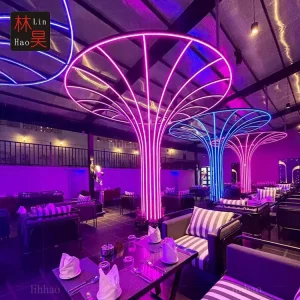
| Dynamic DMX Pillar Column Lights | DMX512 / SPI Digital | IP44 / IP65 | Structural Pillars, Corridor Junctions | 100 - 120 Lm/W |
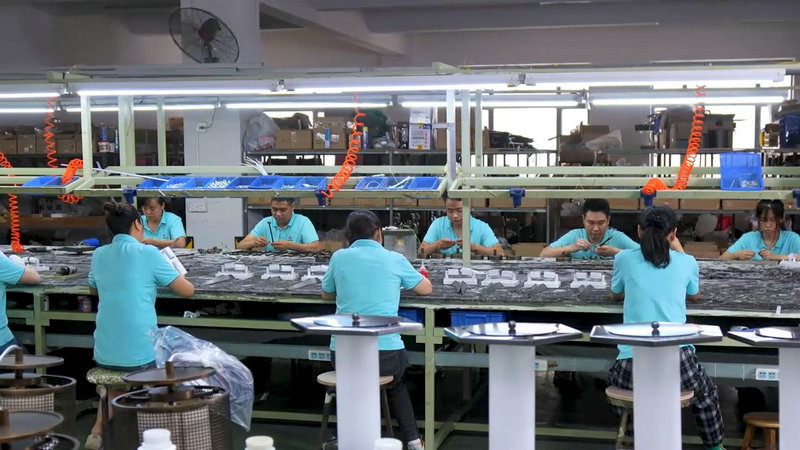
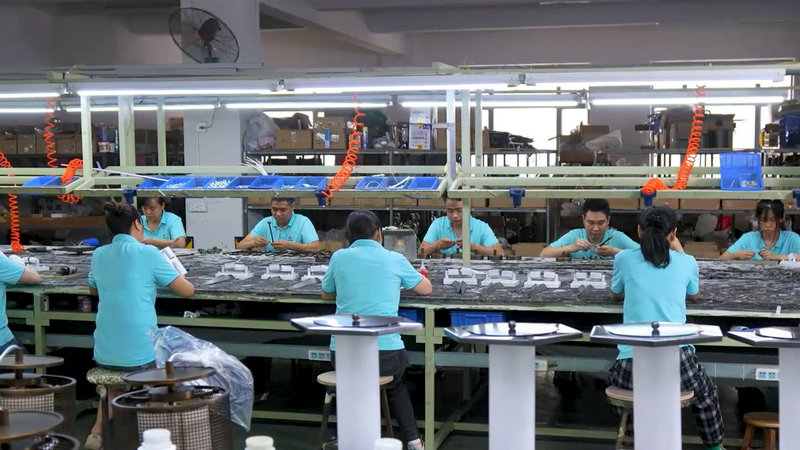
When sourcing dynamic commercial lighting for international projects, working directly with a proven manufacturer is critical. Guangdong Sienna Lights Co., Ltd. is located in Guangdong Province, China, with its advanced production base situated in Guzhen Town, Zhongshan—widely recognized as the "Chinese Lighting Capital." The company is a professional lighting manufacturer integrating design, research and development, production, sales, and engineering services, with a strong focus on customized lighting solutions for commercial and high-end residential spaces.
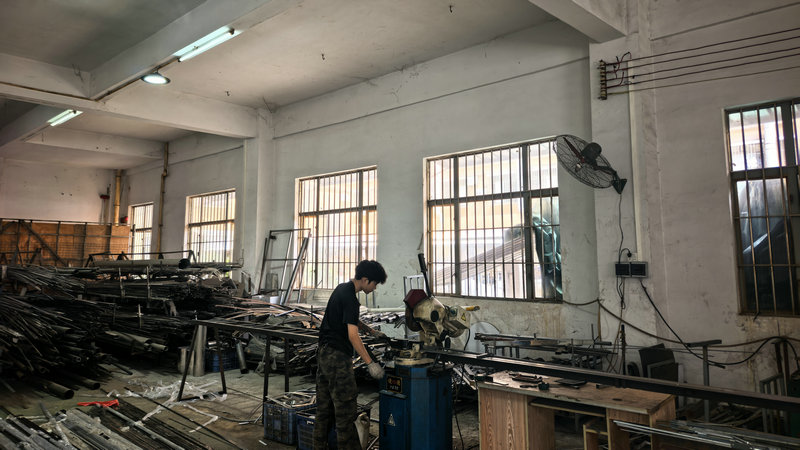
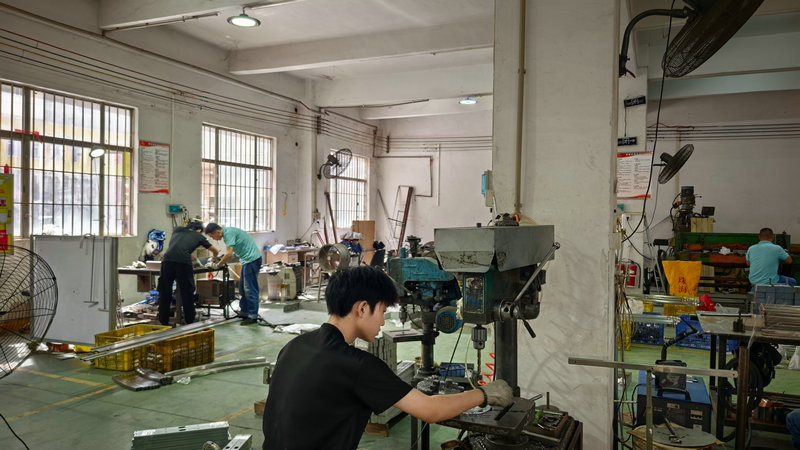
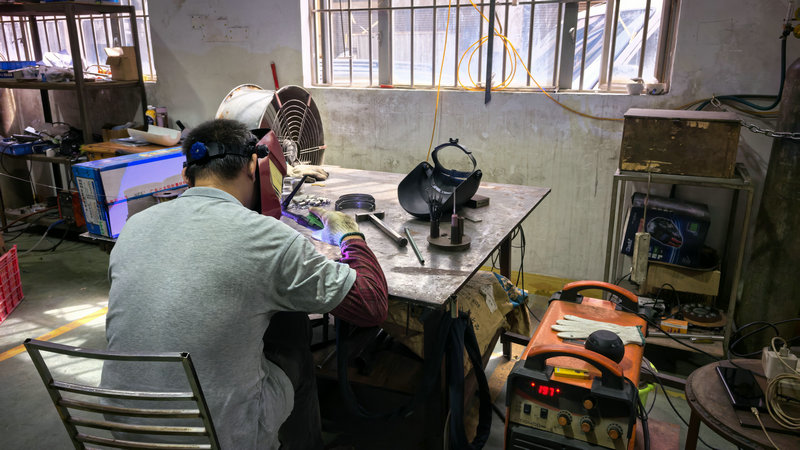
Sienna Lights specializes in non-standard and engineering lighting projects, providing tailor-made products for hotels, office buildings, luxury clubs, restaurants, villas, showrooms, and fine-decorated residences. Its product range covers decorative lighting, architectural lighting, and project-based lighting systems, with flexible OEM/ODM customization capabilities to meet diverse design requirements. Backed by state-of-the-art machinery and rigorous assembly lines, Sienna Lights guarantees that every batch destined for North Africa meets strict global performance and safety standards.
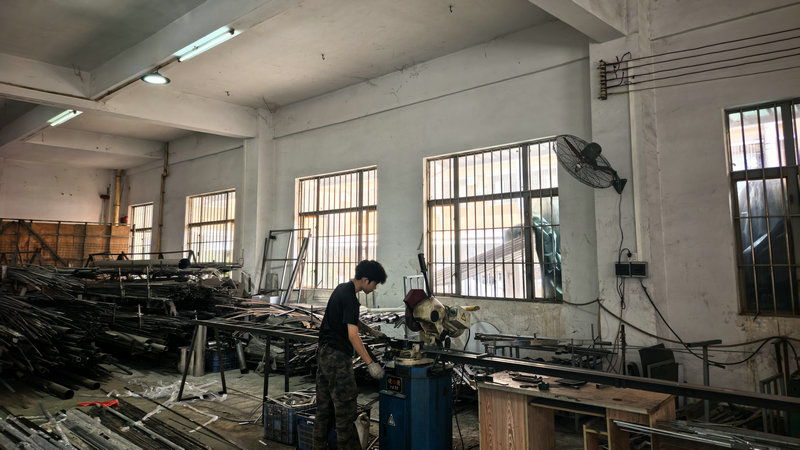
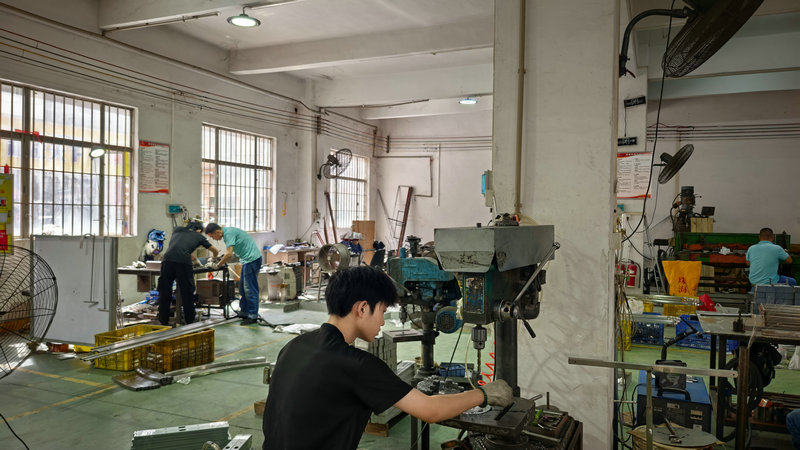
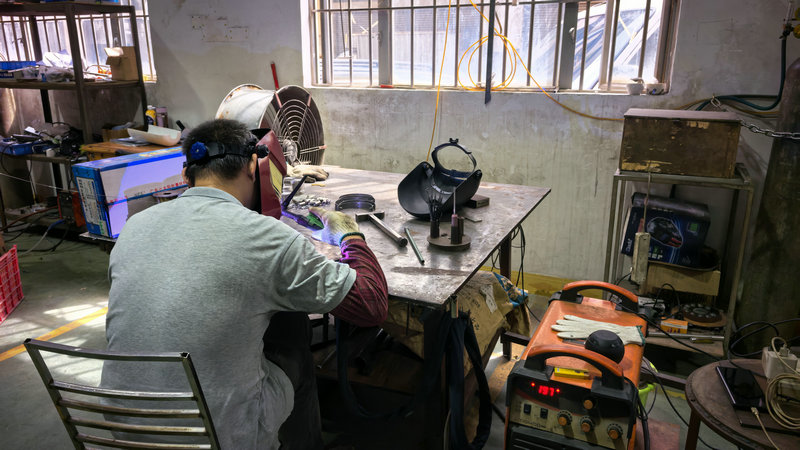
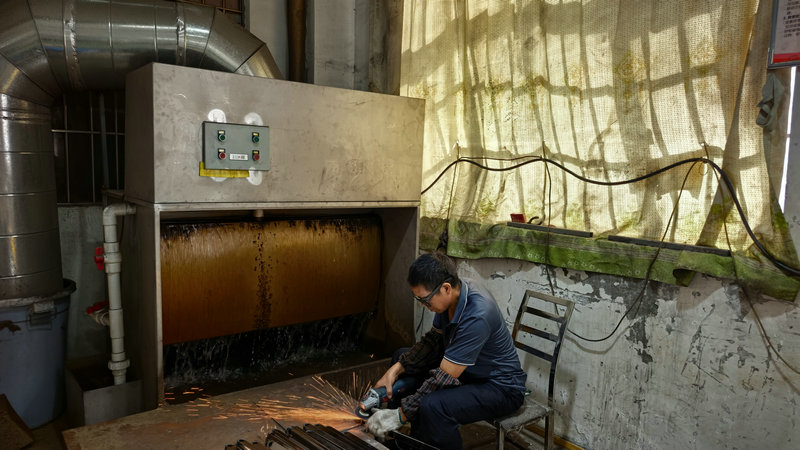
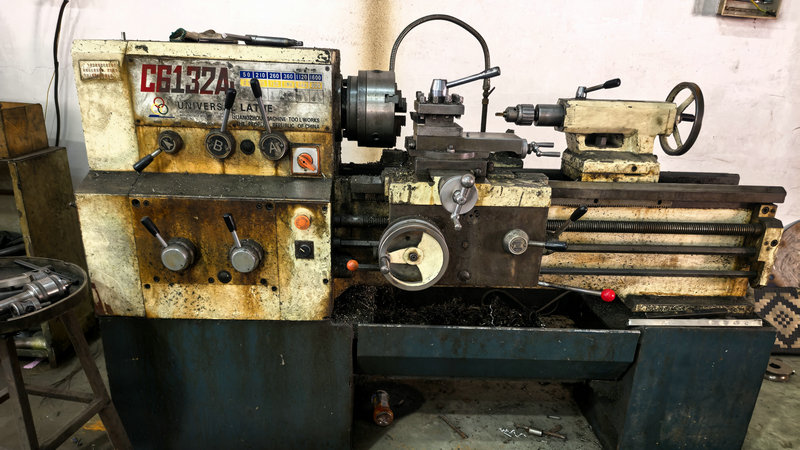
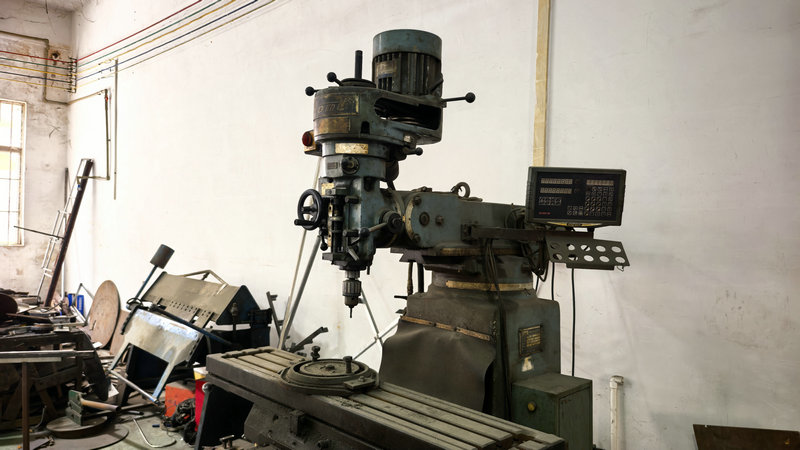
Quality and durability are built in the factory. At Sienna Lights, we oversee every step of production using precise industrial tools to ensure structural integrity and electrical reliability:
Purchasing light fixtures from China for installation in Algeria involves meeting specific regulatory requirements. Navigating these rules successfully is crucial to preventing port delays or customs rejections.
Algerian Customs require a Certificate of Conformity (CoC) for all imported industrial products. Before your shipment leaves our Guzhen warehouse, we coordinate with third-party testing institutions such as SGS, Intertek, or Bureau Veritas to verify that our products comply with local requirements. We ensure all dynamic driver enclosures, fiber cables, and LED components hold valid CE and RoHS test reports to speed up this process.
Algerian trade regulations require importing companies to perform a bank domiciliation (domiciliation bancaire) prior to shipping goods. Our sales team is experienced with local banking practices, including Letter of Credit (L/C) transactions and Cash Against Documents (CAD) payments. We provide clear, accurate Proforma Invoices, Packing Lists, Certificates of Origin, and Bills of Lading to match your bank's requirements.
Goods are loaded into container ports in Shenzhen or Guangzhou, China, and shipped directly to major Algerian container terminals, including the Port of Algiers, Port of Oran, or Port of Bejaia. Maritime transit typically takes between 30 and 45 days. We use heavy-duty, multi-layer plywood packing cases for all fragile items—especially PMMA fiber cables and star curtain materials—to prevent damage from high humidity and physical movement during transit.
The dynamic lighting sector is changing rapidly due to advancements in smart controls and microelectronics. Here are the key developments to watch in the coming years:
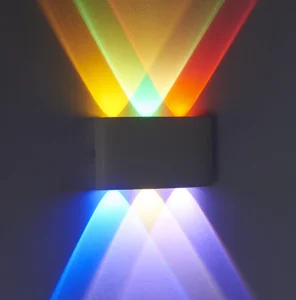
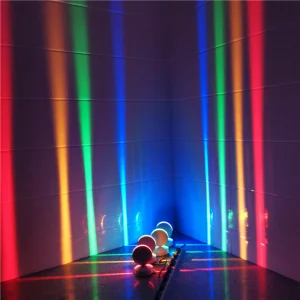
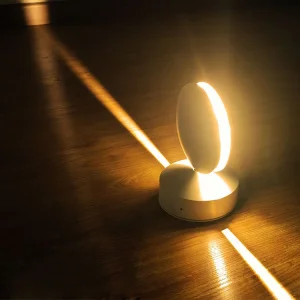
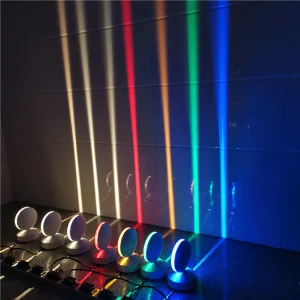
Our complete catalog of professional products designed for hotels, clubs, and KTV projects in the Algerian market.

 Sienna Lights