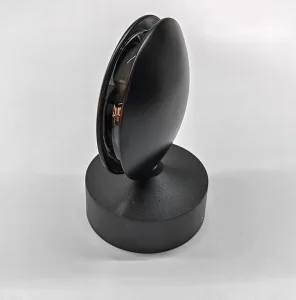
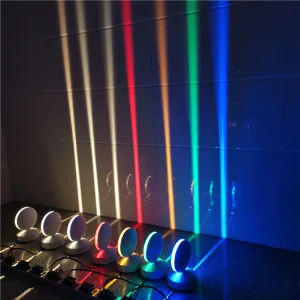
Explore our flagship lighting architectures specifically customized to handle high-traffic corridors, VIP transition tunnels, and grand entertainment pathways. These fixtures offer active protocol controls compatible with international smart systems.

As South Korea's secondary metropolis and a primary maritime leisure destination, Busan maintains a legendary entertainment landscape. High-density commercial nodes like Seomyeon Youth Street, the luxury hospitality strips of Haeundae, and the vibrant seaside zones of Gwangalli host hundreds of high-end Noraebang (KTV) establishments, premium lounge bars, and multi-concept hospitality spaces. In these highly competitive markets, the corridor serves as more than a spatial pathway—it functions as a critical transition zone that prepares visitors psychologically for an immersive acoustic and visual escape.
Unlike inland commercial zones, Busan's proximity to the Sea of Japan (East Sea) presents unique challenges for architectural electronics:
The global luxury entertainment sector has transitioned from static, high-glare neon fixtures to intelligent, human-centric lighting designs. Dynamic KTV corridors utilize these technologies to influence guest mood and spatial perception:
Modern commercial project engineering requires unifying all light installations into a single control network. By using DMX512 and RDM protocols, venue managers can instantly update themes for seasonal events, corporate functions, or private bookings with the press of a button.
Guangdong Sienna Lights Co., Ltd. is located in Guzhen Town, Zhongshan—known globally as the "Chinese Lighting Capital." We are a professional lighting manufacturer integrating research, development, custom engineering, and global logistics. Our factory specializes in custom structural and architectural designs, offering OEM/ODM services tailored to complex commercial project layouts.
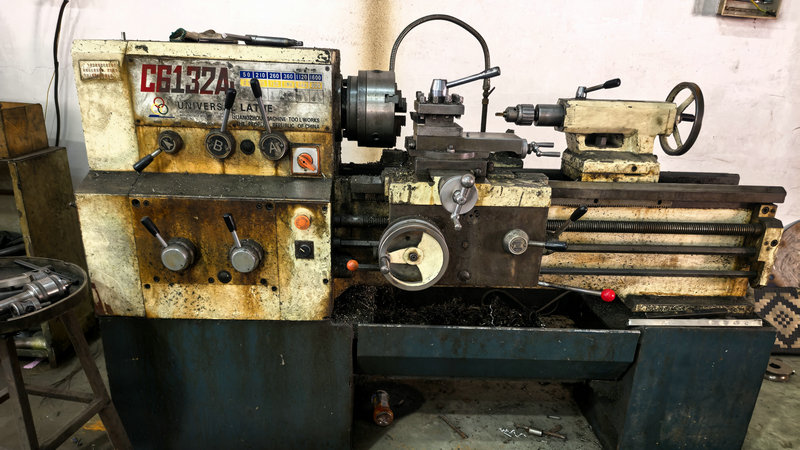
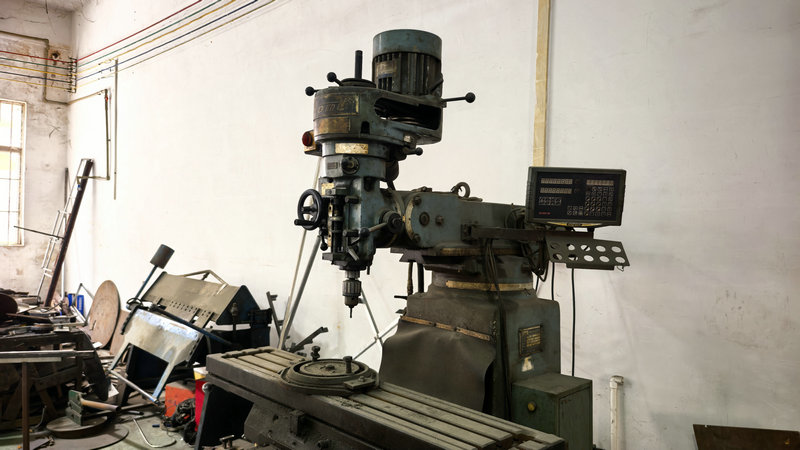
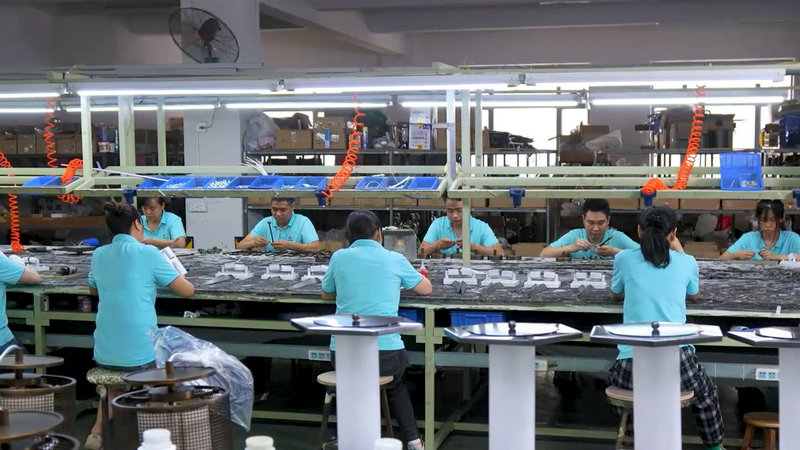
Our facility runs advanced metalwork, assembly, and testing operations. We manage every step of the fabrication process, including raw cutting, precision drilling, high-quality welding, uniform grinding, and final dust-free assembly. This close oversight ensures every fixture meets international performance standards.
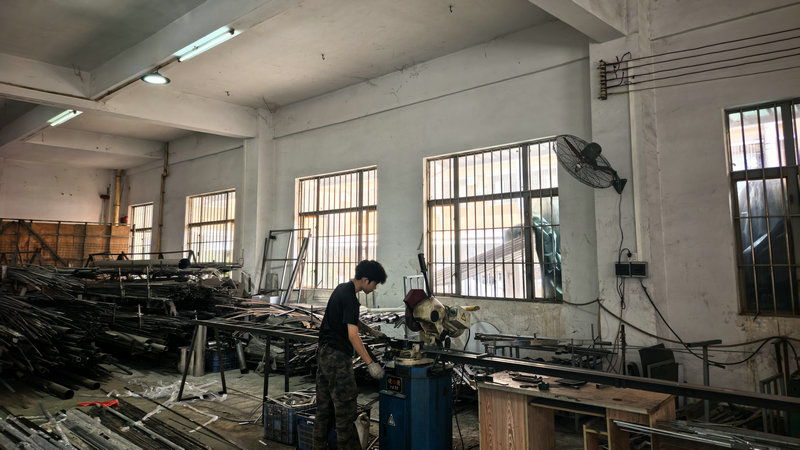
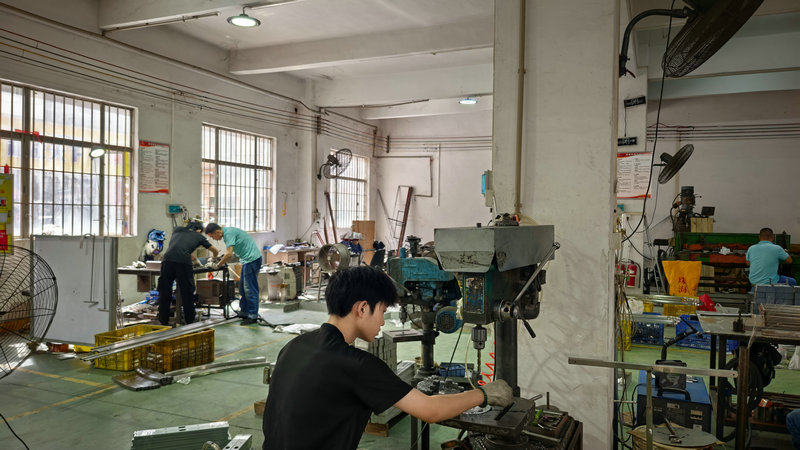
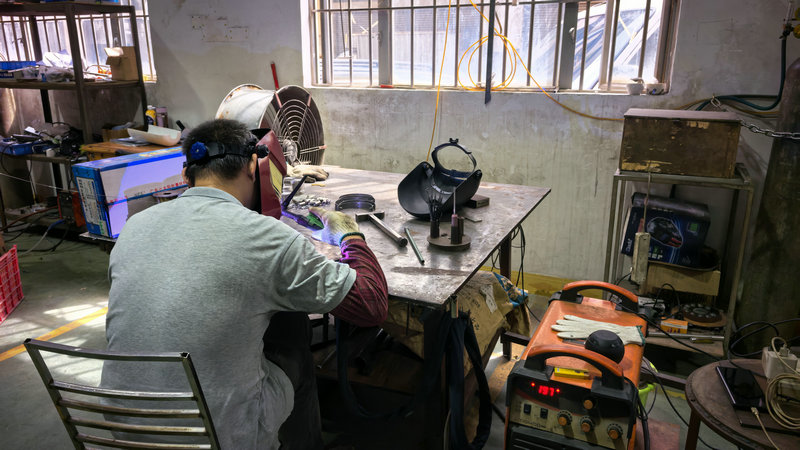
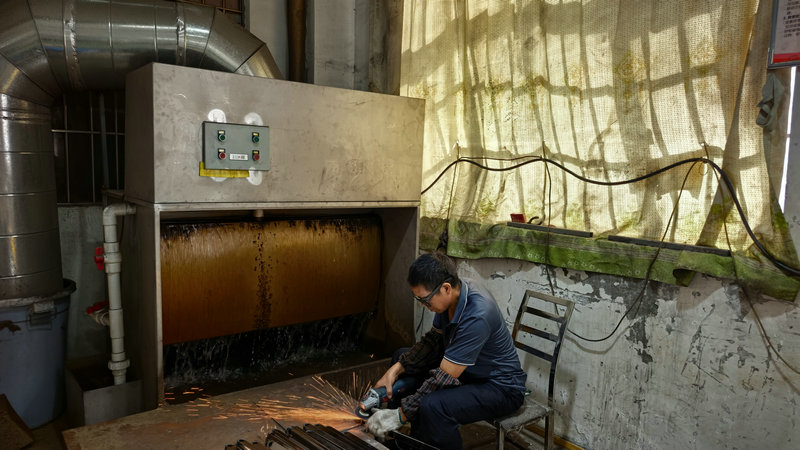
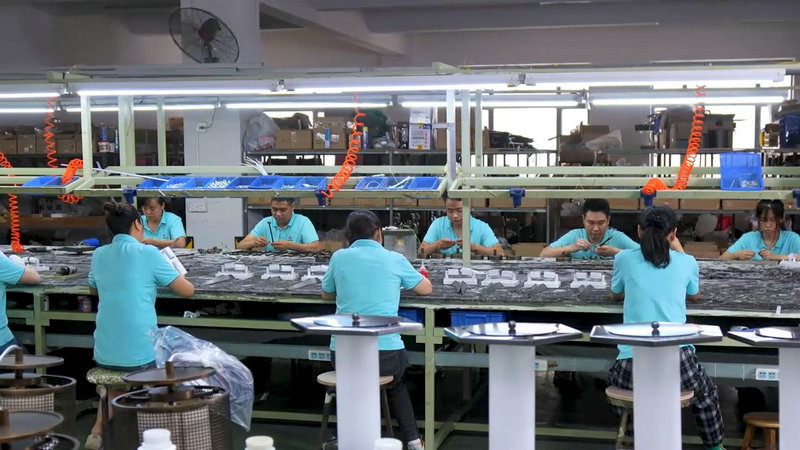
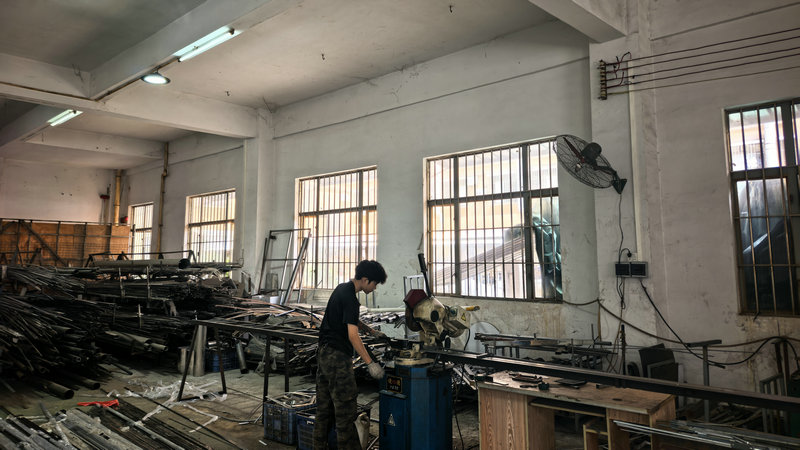
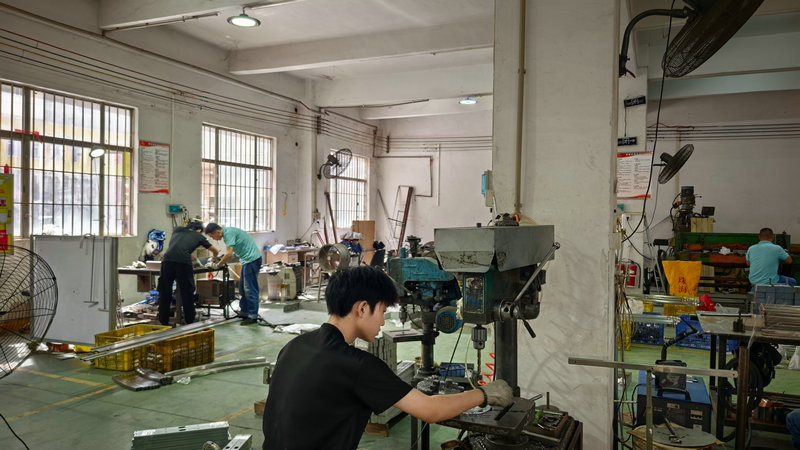
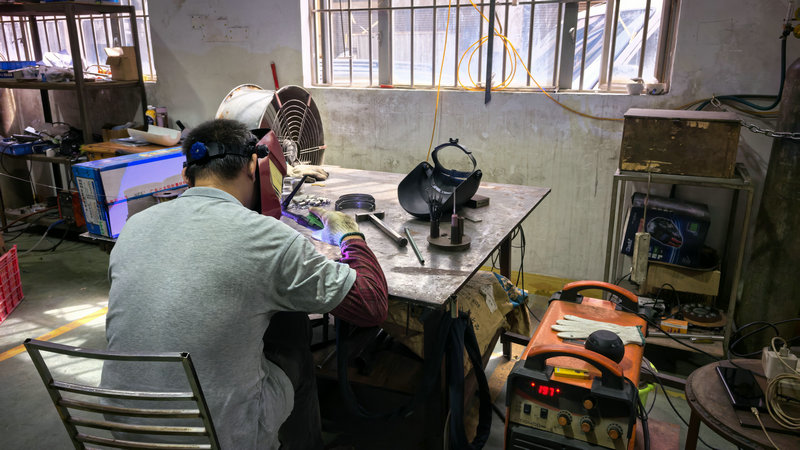
Successful corridor lighting layout relies on selecting the right physical hardware and control configurations. For projects in Busan, we recommend specific system architectures to balance durability and performance:
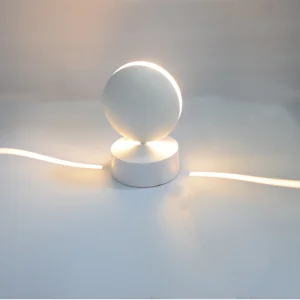
Standard architectural lighting often creates flat, uninspiring spaces. To avoid this, our 360-degree rotating trick lights utilize narrow-angle optical PMMA lenses (2° to 8° options). This design projects concentrated planes of light across wall faces, defining door frames and transition arches without spilling glare into eyes.
Voltage drop across long corridor installations can lead to uneven brightness and color shifting. We prevent this by designing systems with constant-current drivers operating on 24V DC or 48V DC buses, rather than 12V configurations. For runs exceeding 20 meters, we isolate DMX channels with dedicated signal repeaters to maintain fast response times.
Explore the remaining products in our dynamic catalog. Each option supports customization, including color adjustments, specific chassis sizes, and control modifications.
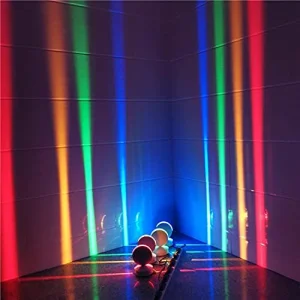
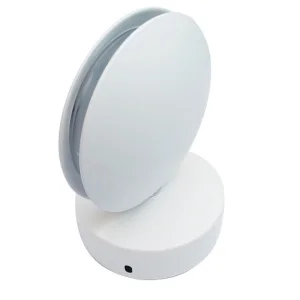
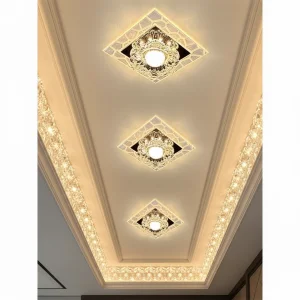
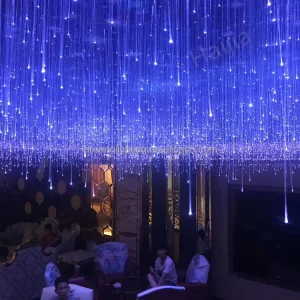
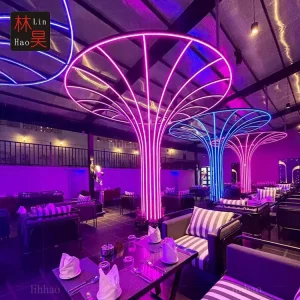
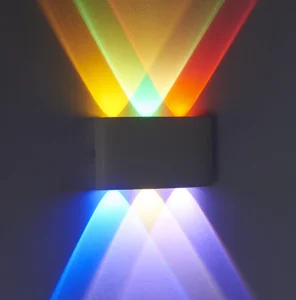
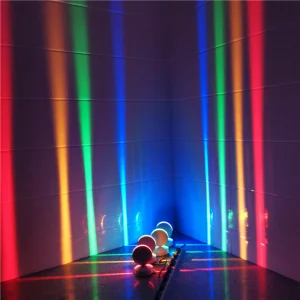
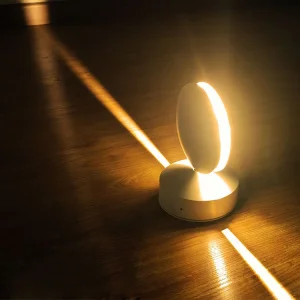
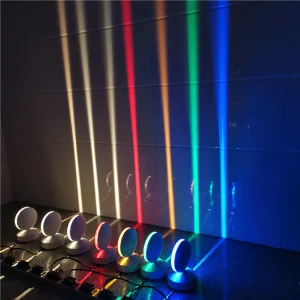
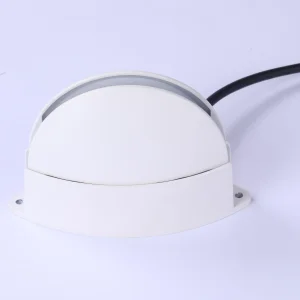
Our rotating trick lights feature built-in auto-addressing DMX decoders. For long corridor setups, we recommend grouping the lights into sections using 3-core double-shielded DMX cables, which helps prevent signal reflection. We also recommend placing a 120-ohm terminating resistor at the end of each physical loop to maintain stable communication.
Yes, coastal air contains salt mist that can corrode standard indoor fixtures. To address this, our corridor lighting options use marine-grade anodized 6063 aluminum housing with corrosion-resistant coatings. For high-humidity locations, we recommend our IP65 or IP67-rated fixtures, which provide robust protection for internal electronic components.
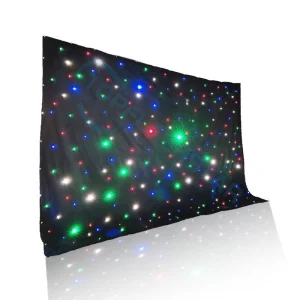
Yes. Our double-layer velvet backdrops are treated with fire-retardant coatings that meet international fire-safety standards, including Korea's Fire Safety Act. They are self-extinguishing and designed to limit smoke generation, making them suitable for commercial entertainment installations.
Standard production takes 10 to 15 working days from design confirmation to completion. For customized DMX controls or custom lengths, production takes 15 to 22 working days. Shipping from the Port of Nansha or Port of Shenzhen directly to the Port of Busan generally takes 4 to 6 days via regular maritime freight.
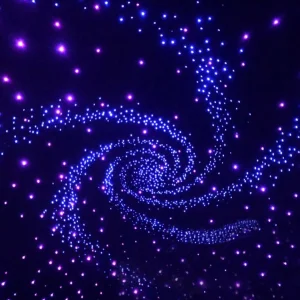
Yes. Our fiber optic ceiling light engines support multiple control options, including DMX512, DALI, and standard RF wireless remote controls. They integrate with commercial building automation systems like Crestron, Lutron, and Control4 using standard gateway modules.
Yes. We provide complete DIALux simulations for engineering projects. Simply share your CAD files, floor plans, and color schemes, and our engineering team will create a 3D simulation showing exact lux distributions, recommended beam spacing, and dynamic scene variations.
 Sienna Lights