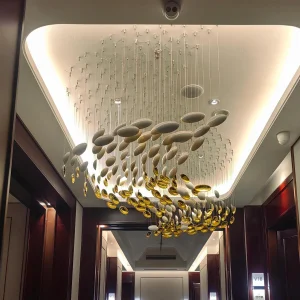
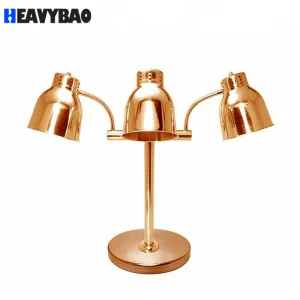
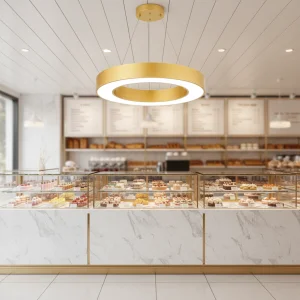
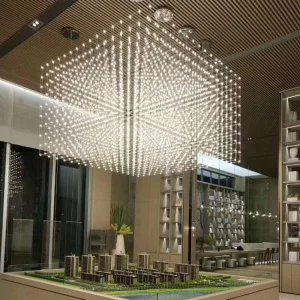
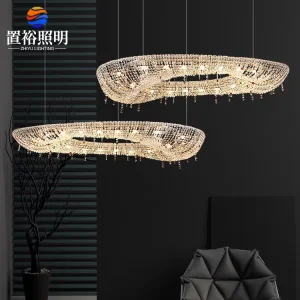
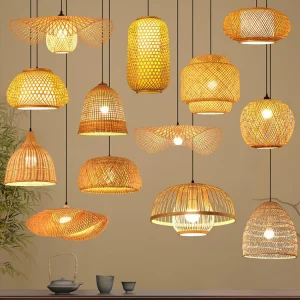
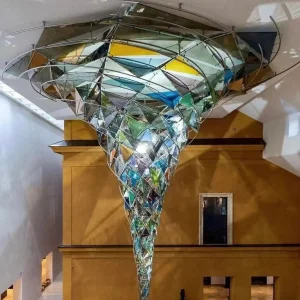
Discover high-performance components designed to meet strict aesthetic, photometric, and engineering standards for luxury residential and high-traffic commercial spaces.
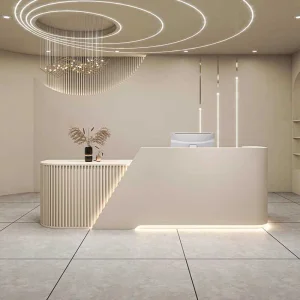
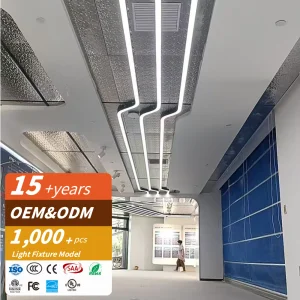
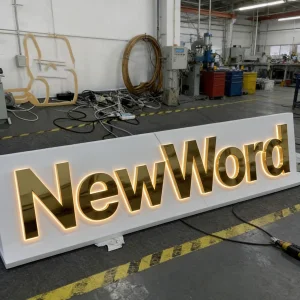
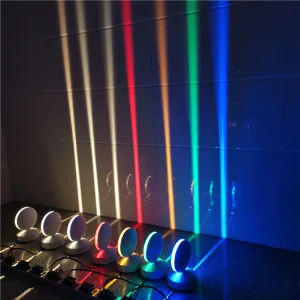
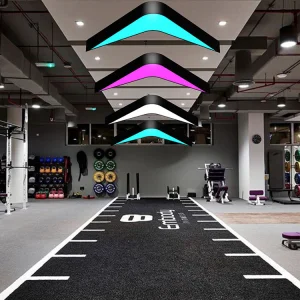
In modern high-end residential and hospitality design, the kitchen is no longer treated as a purely utilitarian workspace. It has evolved into the social epicenter of the property—requiring an intricate layering of task, ambient, accent, and decorative illumination. For architects, lighting specifiers, and distributors, finding a supplier that can bridge the gap between high-performance lighting technology and custom architectural design is paramount.
The term High-End Kitchen Lighting implies more than aesthetic appeal; it demands strict adherence to rigorous engineering metrics, including Color Rendering Index (CRI Ra ≥ 95, R9 ≥ 90), tight MacAdam Ellipse color consistency (SDCM ≤ 3), low unified glare ratings (UGR ≤ 19), and seamless architectural integration. Without proper engineering, lighting in high-end spaces fails to render culinary presentations accurately, creates fatiguing glare on quartz or marble surfaces, and disrupts the spatial balance.
This report offers B2B buyers, sourcing managers, and interior designers a technical framework to evaluate global lighting partners. Rather than relying on generic product catalogs, we analyze the micro-manufacturing tolerances, driver stability (flicker-free dimming protocols such as DALI-2 and 0-10V), and spatial thermal management critical to maintaining light output over a 50,000-hour lifespan.
The high-end lighting market is undergoing rapid transformation, fueled by smart home adoption, building decarbonization mandates, and the rising demand for bespoke finishes. Below is a snapshot of current global commercial metrics defining the premium lighting supply chain:
Historically, European lighting brands dominated the specification pipelines. However, the manufacturing center of gravity has shifted. Production hubs in China—specifically within the Pearl River Delta (Zhongshan/Guangdong)—have evolved from simple assembly lines into sophisticated research and development ecosystems. These advanced facilities combine cost-efficient raw material sourcing with high-precision CNC machining, electroplating, and state-of-the-art photometric laboratories, allowing them to compete directly with European design houses at realistic price points.
A Premier Engineering and Custom Lighting Manufacturer based in Guzhen Town, Zhongshan—the widely recognized "Chinese Lighting Capital."
Guangdong Sienna Lights Co., Ltd. is a fully integrated lighting enterprise combining advanced research, architectural design, manufacturing, and global sales. Specializing in non-standard customization and high-end engineering installations, the company provides bespoke fixtures for five-star hotels, luxury villas, commercial showrooms, corporate offices, and premium residential spaces.
Operating under strict scientific management principles and aligned with international quality systems, Sienna Lights maintains an experienced cohort of structural engineers, industrial designers, and quality control professionals. Their custom capabilities allow them to turn raw design concepts (hand sketches, CAD drawings, or material boards) into certified, structurally sound lighting systems.
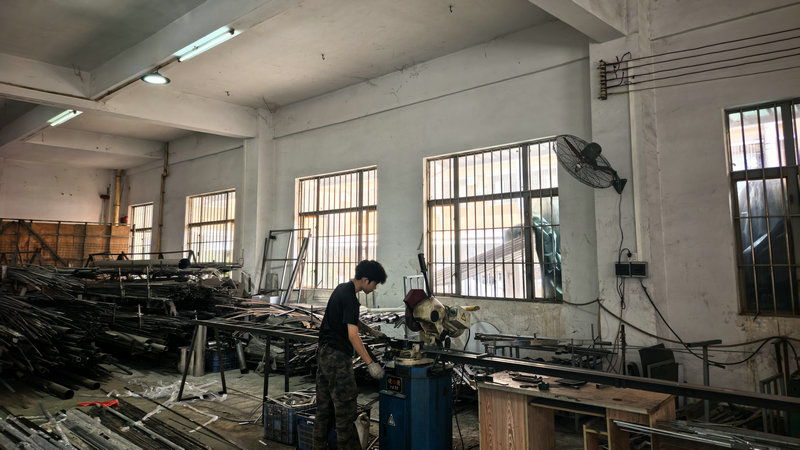
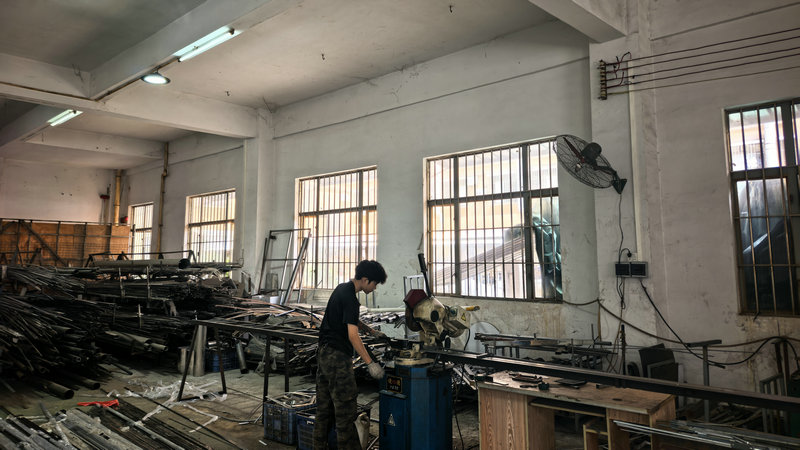
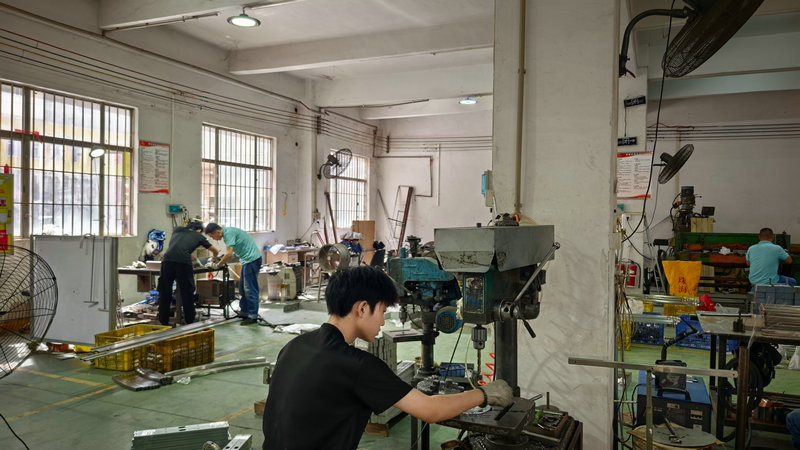
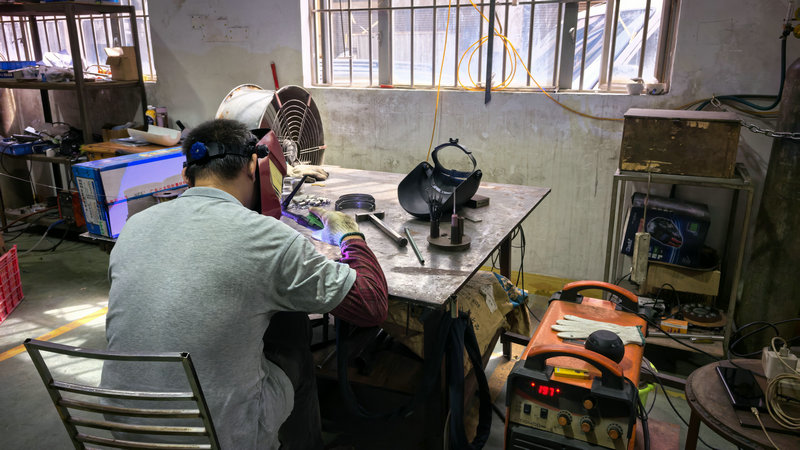
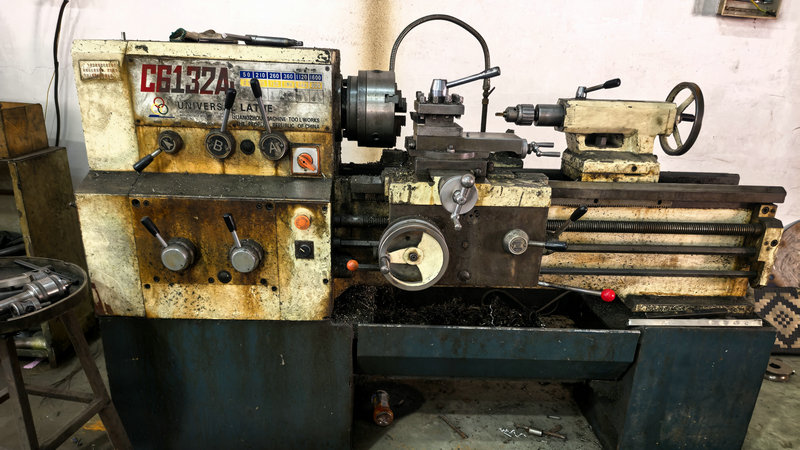
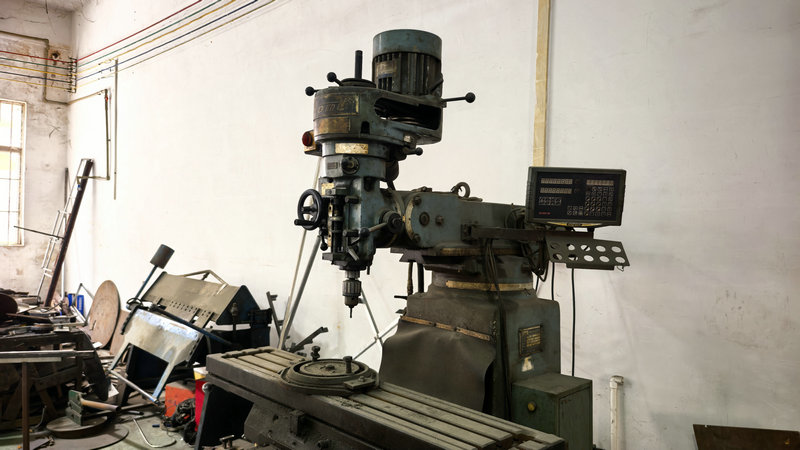
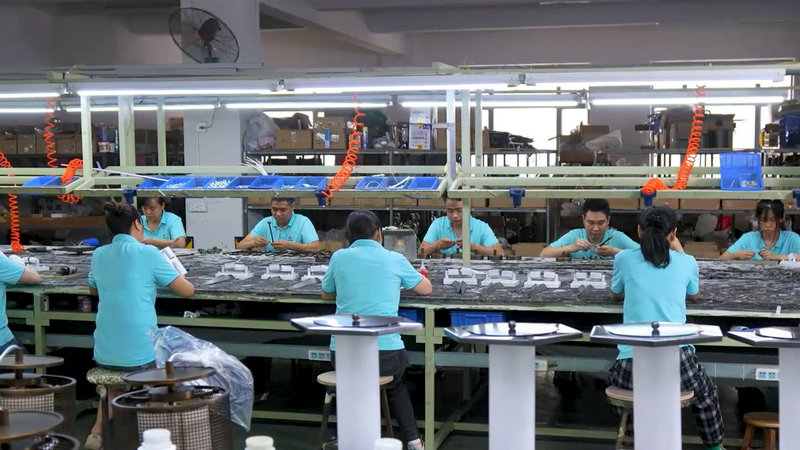
Sienna Lights' competitive advantage lies in its complete in-house manufacturing loop. By controlling every phase of fabrication, the factory guarantees dimensional accuracy, flawless finishes, and reliable structural performance:
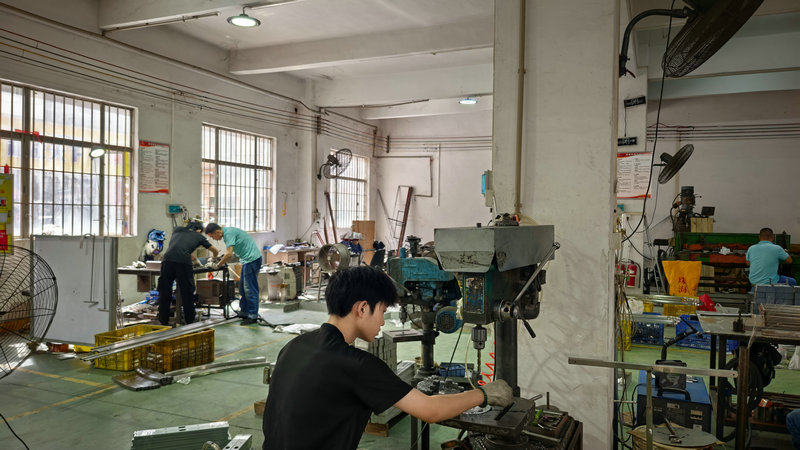
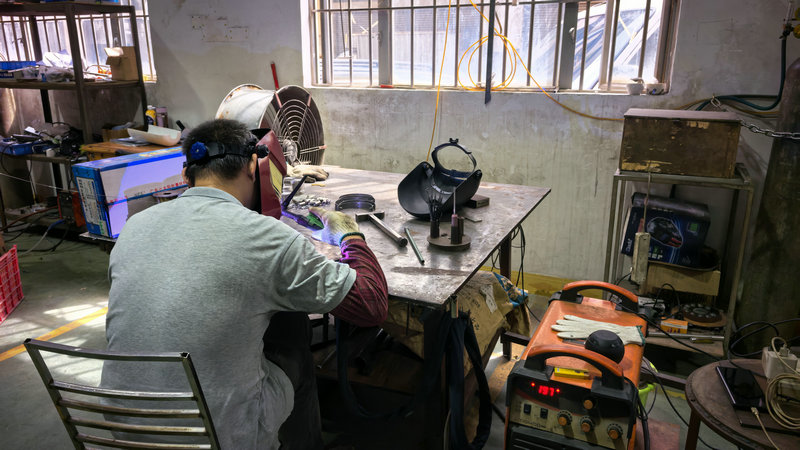
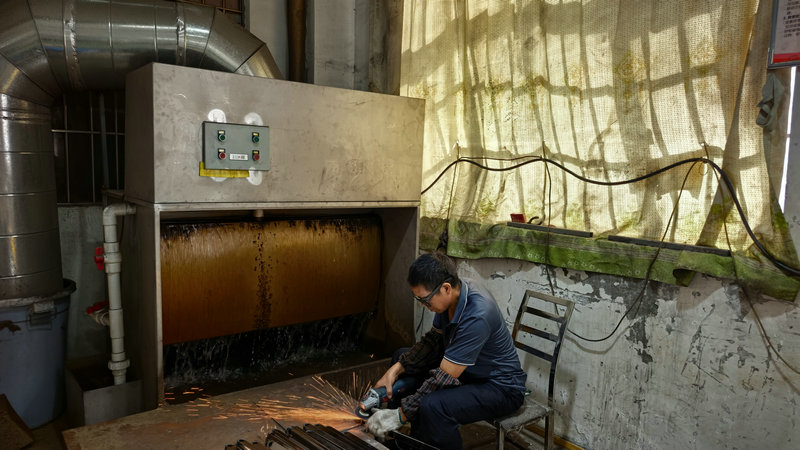
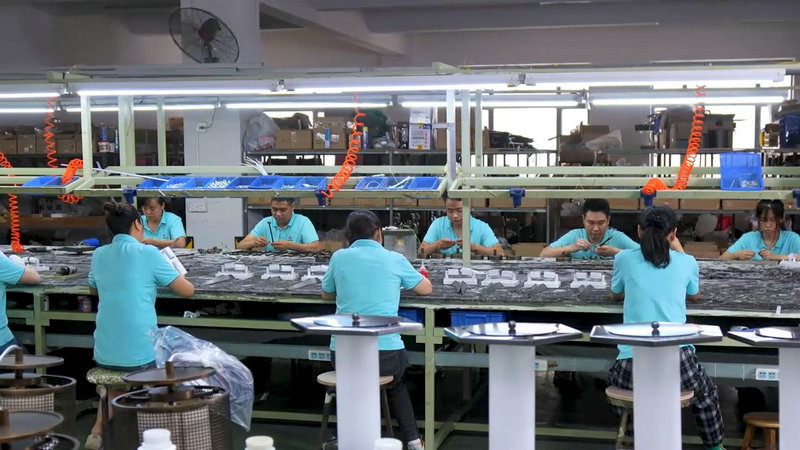
In high-density commercial construction and multi-family residential towers, lighting must scale efficiently. Individual fixture sourcing is obsolete; projects demand integrated electrical systems.
Premium architectural suppliers solve macro-industry challenges by designing modular fixture matrices that adapt to structural shifts. Key engineering priorities include:
High-end kitchen lighting operates differently across specific regional markets and commercial formats. Specifiers must deploy configurations designed to resolve localized structural challenges:
Modern homes integrate kitchens directly with living zones. Lighting must dynamically shift from bright, functional task lighting during food prep (3000K to 4000K, high lux levels on countertops) to warm, low-level glare-free accent lighting (2200K to 2700K) during dining and hosting phases. Pendants with direct/indirect capabilities are crucial to provide task lighting below and atmospheric glow above.
Here, cleanability, safety, and longevity are paramount. Lighting must adhere to strict IP ratings (IP54 to IP65) for steam and grease resistance. Brightness levels are specified to exceed 500 Lux at work surface heights, and light fixtures must exhibit zero stroboscopic flicker to prevent operator fatigue and assure visual safety during high-speed food prep.
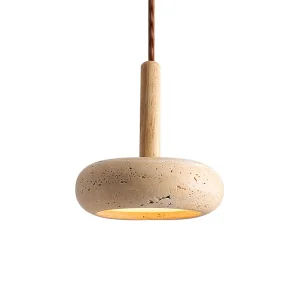
Visual appeal directly influences customer dining experiences. Designers deploy specialized high-CRI fixtures with specific spectrum enhancements (like high R9 values) to bring out the rich, natural colors of food. The physical structures require aesthetic integration, pairing minimal profile track systems with luxury decorative shrouds (such as customized travertine or hand-blown glass).
Developing custom luminaires requires more than spatial and design skills; it demands strict compliance with global electrical certifications. Navigating import certifications is critical for B2B supply chain integrity.
Experienced manufacturers like Guangdong Sienna Lights Co., Ltd. address regulatory barriers through robust engineering practices:
The next decade will redefine how light source components are integrated within built environments. High-end manufacturers are pivoting from static light sources to dynamic, interactive architectural skins.
Key technological shifts currently in development include:
Advanced multi-channel LED arrays that track the sun's natural color temperature curves from 1800K to 6500K throughout the day. This technology optimizes sleep-wake cycles, enhancing cognitive function and biological well-being in residential and corporate office interiors.
Embodied carbon compliance will guide product selections. High-end brands are shifting toward zero-VOC coatings, locally sourced travertine, sustainably harvested bamboo, and recycled aluminum. This reduces environmental footprints without sacrificing premium aesthetics.
Moving away from bulky surface-mounted profile tracks. Next-generation installations rely on micro-recessed sub-10mm profiles that flush-mount directly into cabinetry boards, creating architectural details where light source hardware remains completely hidden.
DALI-2 drivers paired with internal temperature sensors will report operational health in real-time. This diagnostic data enables predictive maintenance, notifying facility managers of driver degradation before catastrophic failure occurs.
Discover high-output architectural systems designed for hotel lobbies, dining areas, public foyers, and bespoke retail spaces.
 Sienna Lights