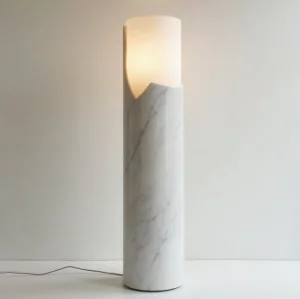
Explore engineering-grade, highly customizable lighting systems tailored for modern corporate headquarters, boardrooms, and functional commercial zones.
In the era of modern collaborative spaces and hybrid office models, conference room task lighting has transcended basic illumination. Organizations globally now demand high-performance task lighting that integrates seamlessly with intelligent building management systems (BMS), complies with stringent environmental standards, and supports employee well-being.
According to the WELL Building Standard (WELL v2), lighting design must focus on circadian rhythms, glare reduction, and color precision. High-quality lighting increases focus, reduces eye fatigue, and enhances remote communication efficacy during video conferencing. The requirements for conference room lighting are heavily focused on three core layers:
Procurement directors in Europe, North America, and the Asia-Pacific region prioritize manufacturers who can deliver fixtures that balance aesthetic minimalism with strict acoustic compliance (noise-attenuating fixtures) and dynamic color tuning. Energy regulations such as Title 24 in California and ERP directives in Europe make high-efficiency LED drivers and dimming profiles (DALI-2, 0-10V, PoE) non-negotiable procurement parameters.
The progression of office task lighting is heavily tied to smart building ecosystems. Modern conference room task lighting integrates key components that support advanced zoning and intelligent automation:
| Technology Layer | Current Standard | Next-Generation (Roadmap) | Business Impact |
|---|---|---|---|
| Optical Delivery | Micro-prismatic diffusers, UGR < 19 | Nano-laser etched light guide plates (LGP) | No-glare high output, ultra-thin profiles |
| Color Control | Fixed CCT (3000K/4000K), CRI > 80 | Tunable White (2700K-6500K) + Full RGBW, CRI > 97 | Circadian synchronization & custom brand environments |
| Control Protocol | 0-10V Analog, Basic DALI | DALI-2, Power over Ethernet (PoE), Wireless Mesh (Zigbee/Thread) | Granular data tracking, energy monitoring, reduced wiring costs |
| Multifunctionality | Simple illumination | Acoustic felt integration + Environmental sensors (CO2, Temp) | Space savings, optimized acoustics, indoor air quality monitoring |
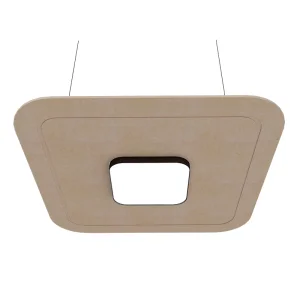
Acoustic Integration: In glass-walled and minimalist concrete conference rooms, echoes and reverberation pose major challenges during virtual conferences. Next-generation task lights feature integrated acoustic panels constructed from PET (polyethylene terephthalate) felt. These materials exhibit sound absorption coefficients (NRC) up to 0.85, dual-performing as high-quality light sources and functional acoustic controls.
Guangdong Sienna Lights Co., Ltd. is located in Guangdong Province, China, with its production base situated in Guzhen Town, Zhongshan—widely recognized as the "Chinese Lighting Capital." The company is a professional lighting manufacturer integrating design, research and development, production, sales, and engineering services, with a strong focus on customized lighting solutions for commercial and high-end residential spaces.
Sienna Lights specializes in non-standard and engineering lighting projects, providing tailor-made products for hotels, office buildings, luxury clubs, restaurants, villas, showrooms, and fine-decorated residences. Its product range covers decorative lighting, architectural lighting, and project-based lighting systems, with flexible OEM/ODM customization capabilities to meet diverse design requirements.
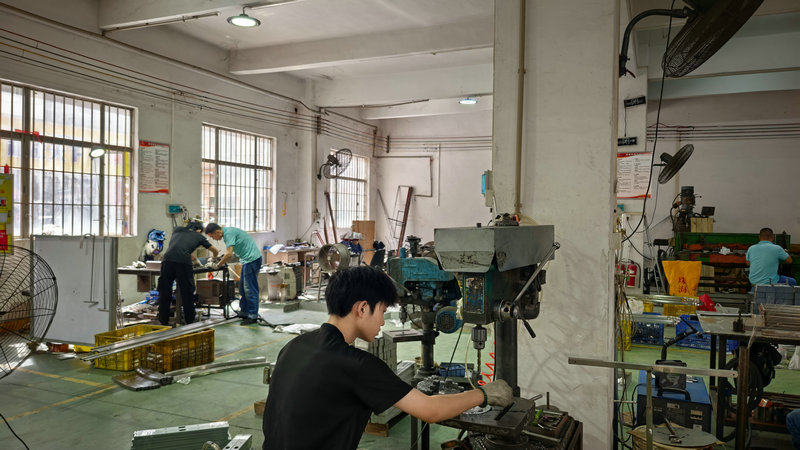
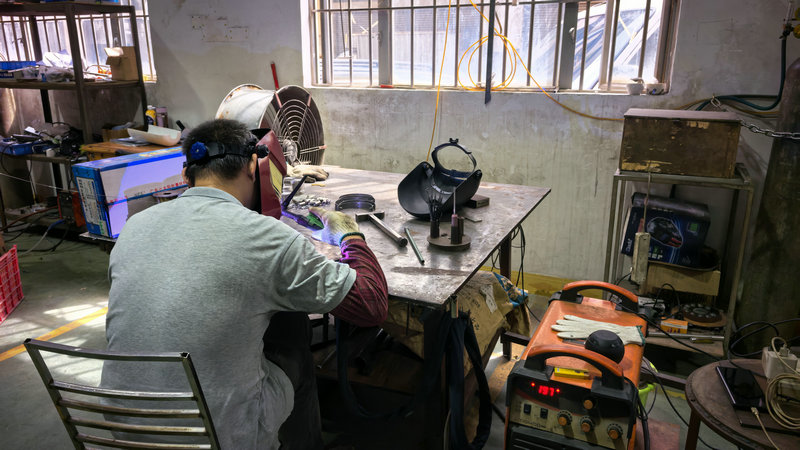
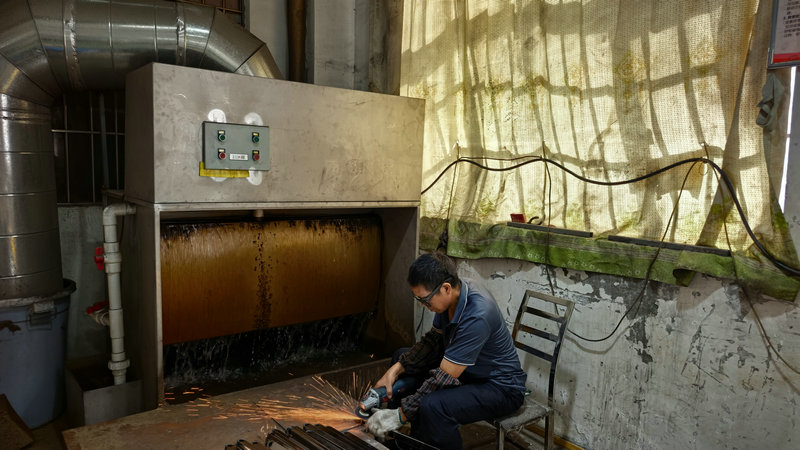
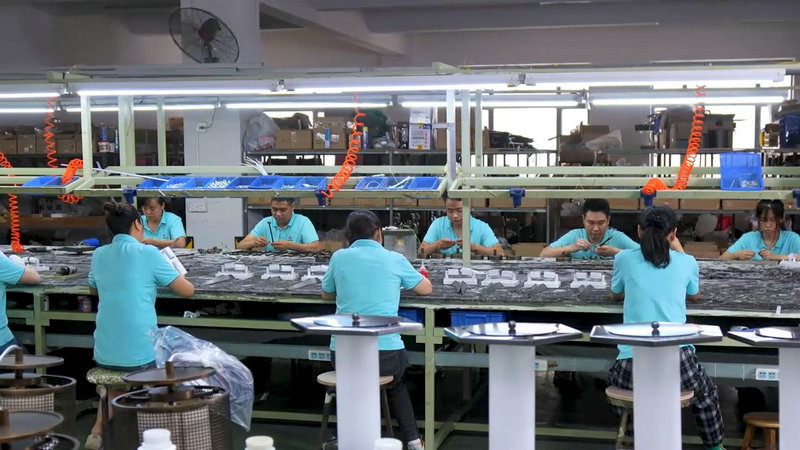
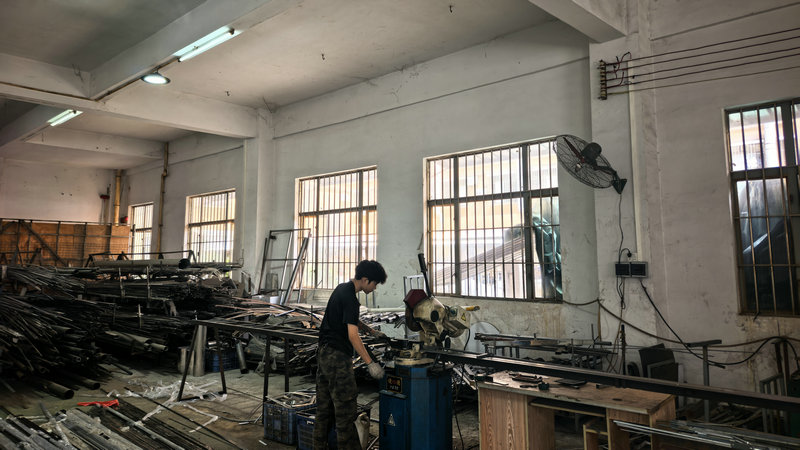
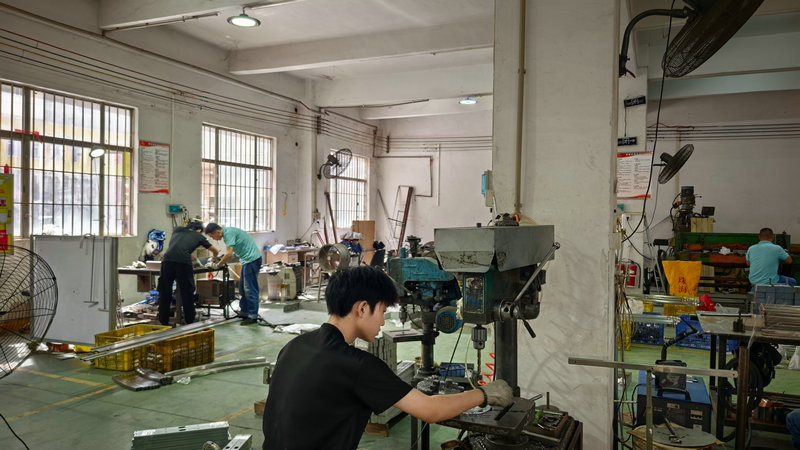
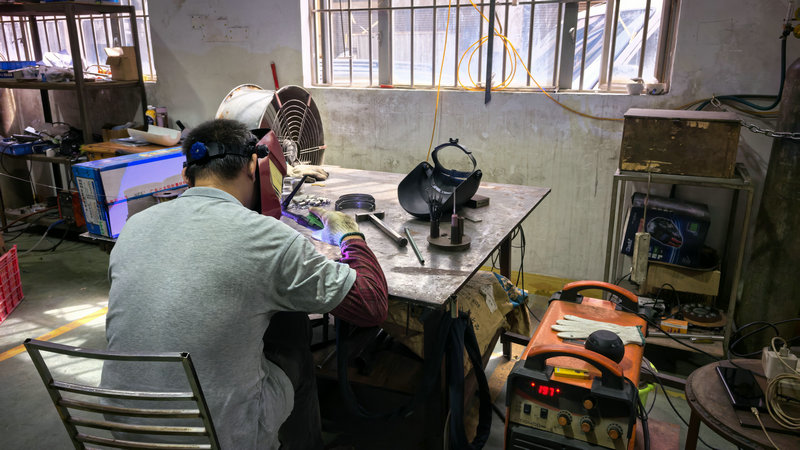
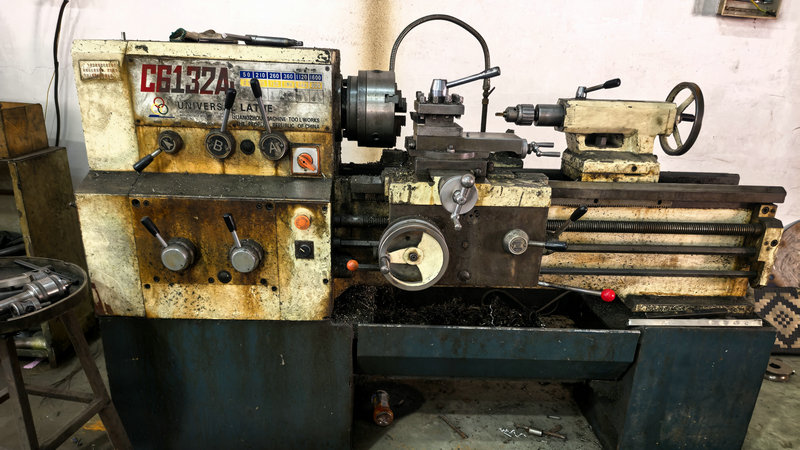
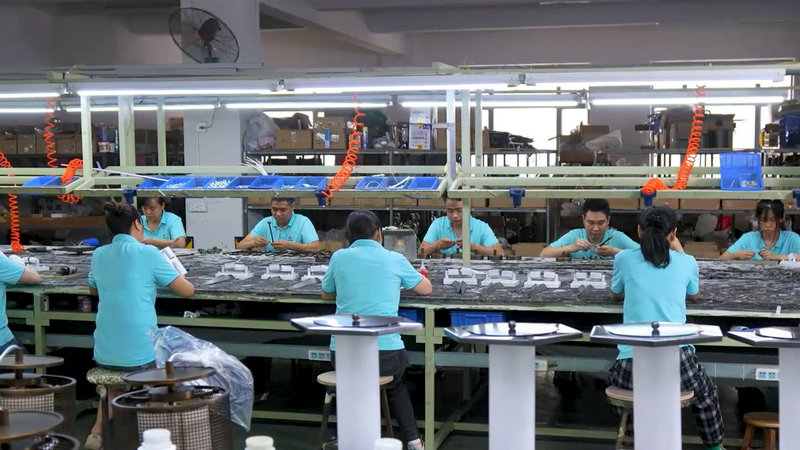
The company operates with a modern production base, equipped with advanced manufacturing facilities and a complete quality control system. With a workforce of experienced engineers, designers, technicians, and management professionals, Sienna Lights maintains strong capabilities in product development, structural design, material selection, precision processing, assembly, and packaging. A dedicated showroom and design center also support client project consultation and lighting solution development.
Guided by the business philosophy of "quality first, customer-oriented service," Guangdong Sienna Lights Co., Ltd. continuously strengthens its talent pool and innovation capacity. The company emphasizes scientific management and strict quality control across all production stages, ensuring that products meet international standards and project requirements, including ISO-aligned quality systems.
Sienna Lights is committed to the principles of continuous improvement, innovation, and excellence. By combining aesthetic design with functional performance, the company delivers lighting solutions that enhance architectural spaces while reflecting modern lifestyle and design trends.
With reliable product quality and professional service, Sienna Lights has built long-term partnerships with clients across China and international markets. Its products are widely exported to Europe, the Americas, Russia, the Middle East, and Southeast Asia, earning trust and recognition in the global engineering lighting industry.
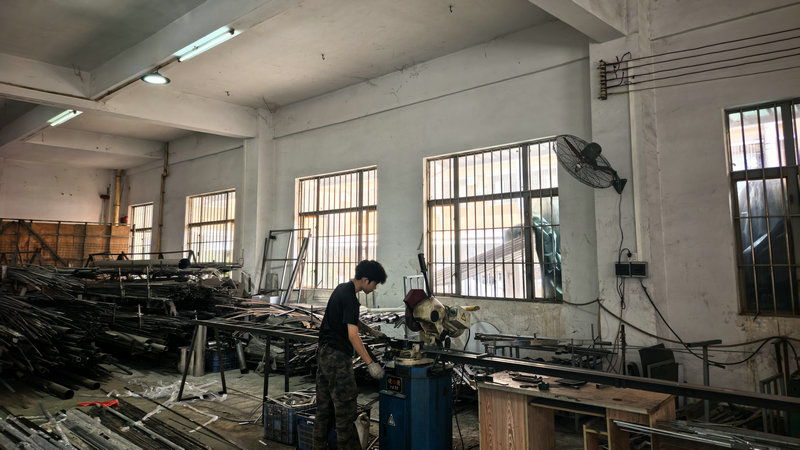
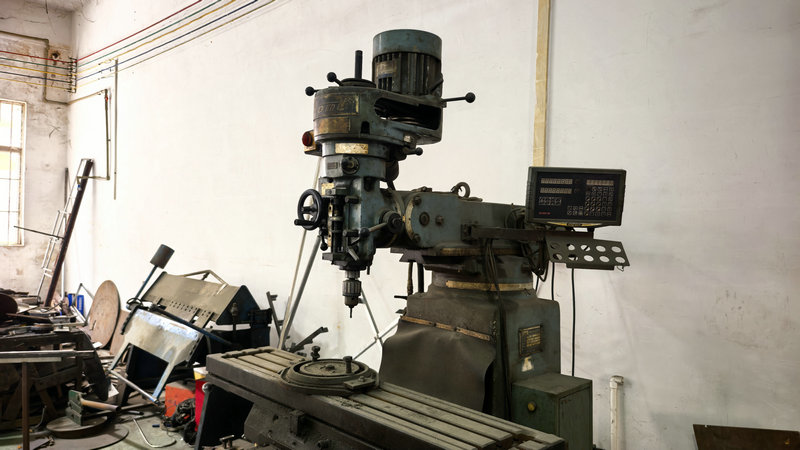
The reliability of Sienna Lights products is anchored in rigorous industrial processes and high-precision machinery. The company manages every step of fabrication in-house to guarantee structural stability, perfect finishes, and strict electrical compliance:
To address complex B2B deployment needs, manufacturers supply unified lighting solution matrices categorized by the spatial purpose within the office building infrastructure:
These flagship areas require adaptable lighting for face-to-face negotiations, media projection, and HD video calls. Architectural task lighting in these spaces often uses modular linear fixtures with indirect/direct configurations. Standard setups combine a downward micro-prismatic component for high task plane illuminance (500 lux) and an upward component to gently illuminate the ceiling, reducing contrast fatigue.
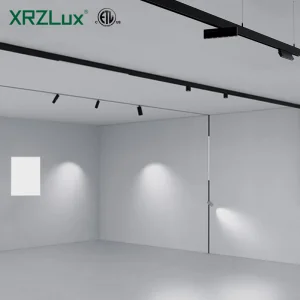
Huddle spaces require flexible task lights that can adapt to changing configurations. Magnetic track lighting systems equipped with adjustable spot grids and diffused flood modules allow users to slide and reposition fixtures manually without rewiring. This dynamic zoning supports modern team dynamics and multi-functional spaces.
For rooms optimized for digital collaboration, vertical illuminance must match horizontal levels. Specialized task lamps provide a 45-degree angle beam to fill shadows on participants' faces, preventing the "panda eye" effect common under direct downlights. Integrating flicker-free drivers with a modulation frequency above 50kHz ensures visual clarity across all global video feed channels.
Procuring commercial-grade lighting internationally requires compliance with local structural and electrical safety codes. Top exporters provide complete testing profiles, which are mandatory for final building inspections:
Furthermore, leading exporters offer localized engineering support, including Dialux lighting simulations. This simulation service generates detailed lux-distribution maps and UGR reports for projects prior to physical manufacturing, reducing risk and streamlining the installation process.
Discover our complete collection, featuring modern reception luminaires, decorative bar concepts, and specialty lighting systems engineered to elevate spaces.
 Sienna Lights