Explore our flagship custom architectural components and integrated workspace systems engineered for modern global interiors.
Modern workspaces are shifting from standardized ambient lighting to complex, multi-tiered systems that address human biology, energy economics, and spatial zoning. Regulatory frameworks such as the EU EcoDesign standards and North American Title 24 have driven demand for next-generation, high-efficacy luminaire architectures.
By mimicking the spectral dynamics of daylight, workspace lighting promotes biological alignment. Our systems implement variable Kelvin curves, shifting seamlessly from high-energy cool blue spectra during peak production hours to soft, restorative warm spectra as the evening approaches.
State-of-the-art office setups utilize network-connected DALI-2, Zigbee, and PoE (Power-over-Ethernet) nodes. These enable facilities to monitor real-time occupancy data, track device health, and run granular energy analytics, leading to utility cost reductions of up to 45%.
The Strategic Objective: In modern corporate planning, workspaces are no longer just real estate; they are engines of human performance. Advanced lighting optimization is directly tied to a 12% increase in cognitive task accuracy and a 30% reduction in eye-strain symptoms, as detailed in recent international occupational health audits.
Lighting requirements differ by industry, physical architecture, and regional building standards.
High-end office spaces need low glare (UGR < 16), uniform vertical lux distribution, and integration with dynamic acoustic baffles. These elements reduce noise while supplying customized directional task lighting.
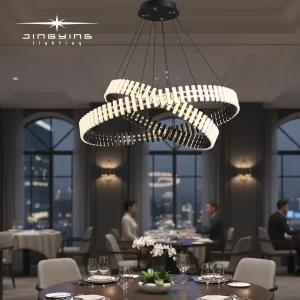
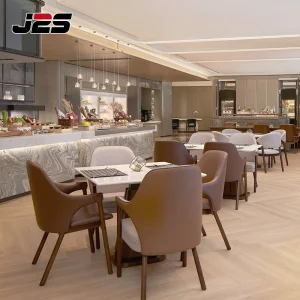
Hospitality environments focus on visual comfort and high-fidelity rendering. Using CRI95/Ra95 light engines ensures materials, artwork, and interior details are represented accurately.
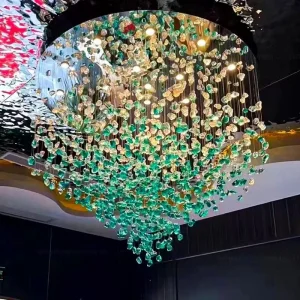
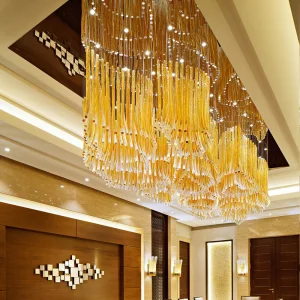
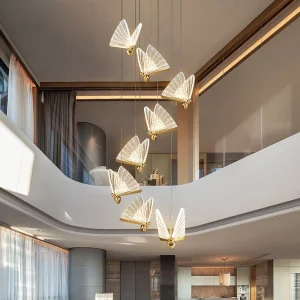
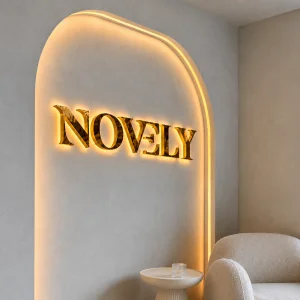
Public entryways require scale-appropriate structures that draw visual interest. Custom chandeliers, backlights, and programmable accents define the movement pattern through open architectural spaces.
Operating from Guzhen Town, Zhongshan—the "Chinese Lighting Capital"—Guangdong Sienna Lights Co., Ltd. builds high-performance architectural systems.
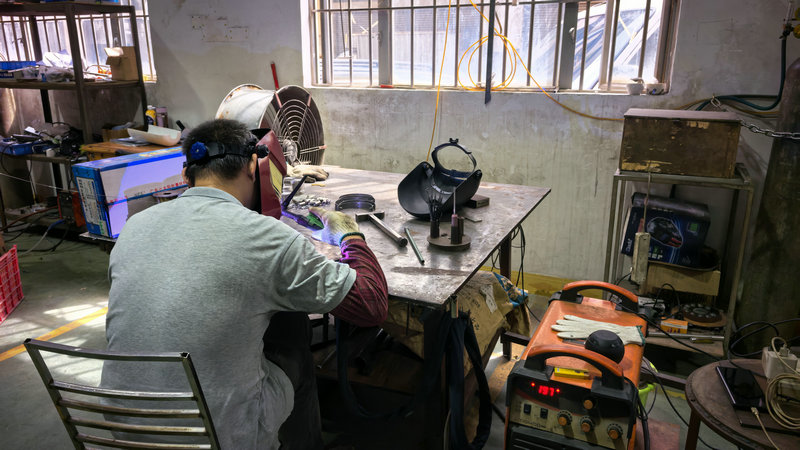
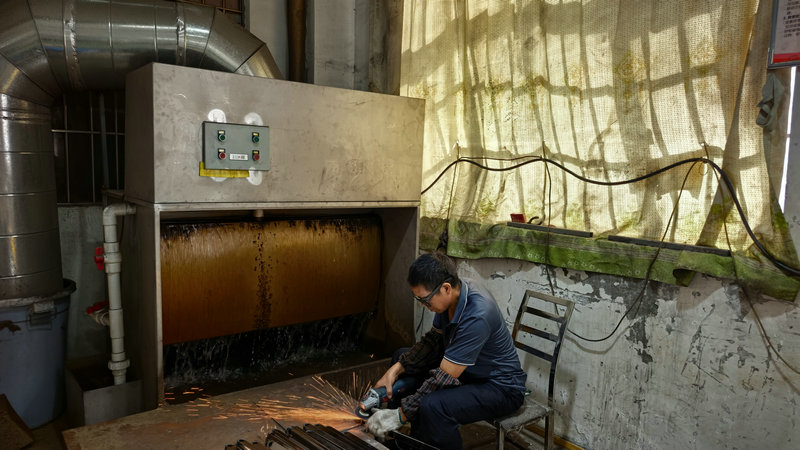
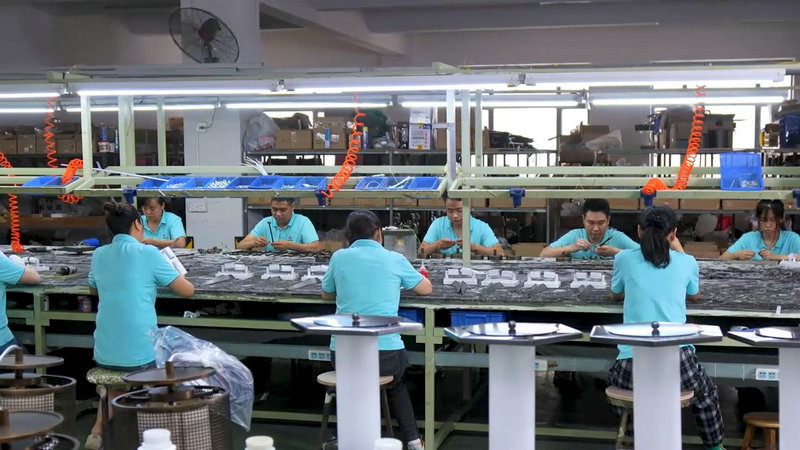
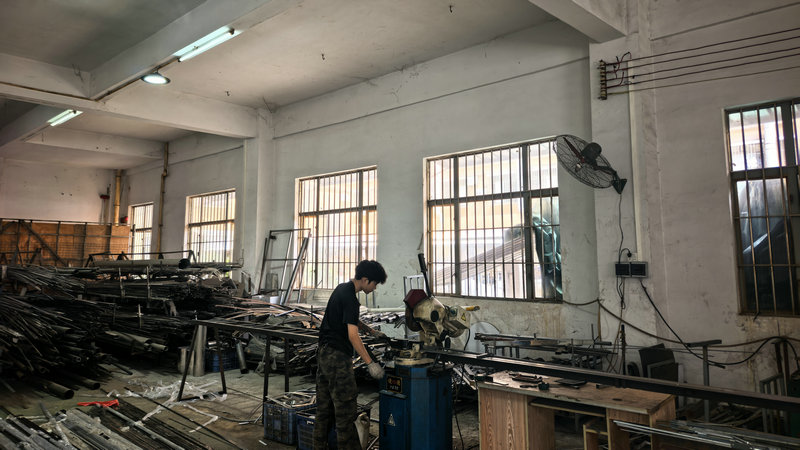
Guangdong Sienna Lights Co., Ltd. is a specialized manufacturer integrating original design, research and development, structural processing, and international distribution. Our Guzhen factory specializes in custom and project-based installations for high-end residential projects, hotels, Class-A corporate headquarters, and commercial centers.
With an experienced engineering and design staff, Sienna Lights maintains complete oversight of product development, structural layout, precise metal shaping, component assembly, and testing. This approach ensures all products meet strict architectural performance and safety codes worldwide.
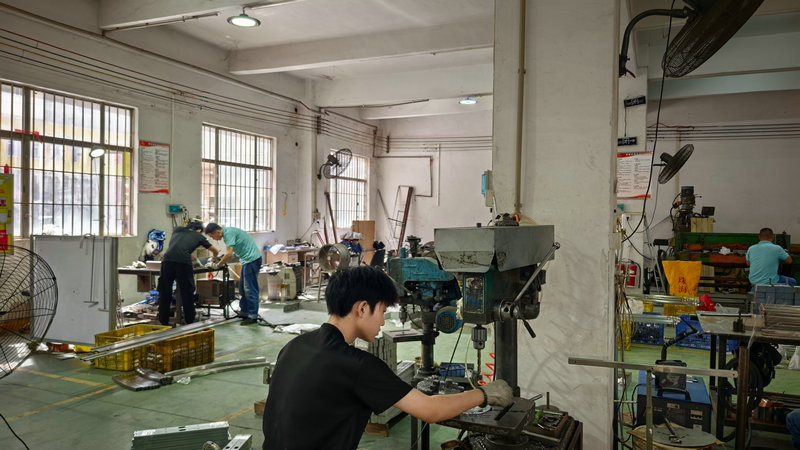
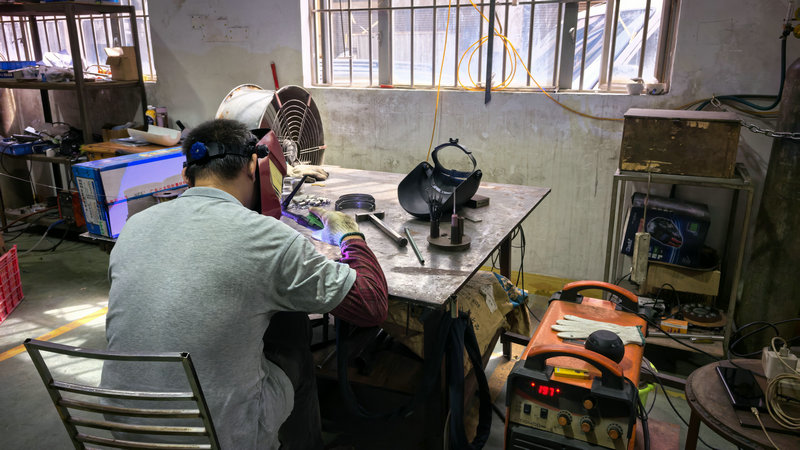
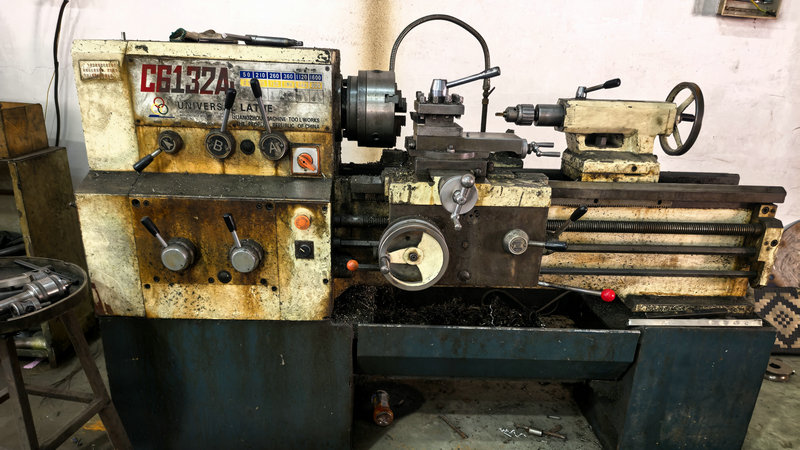
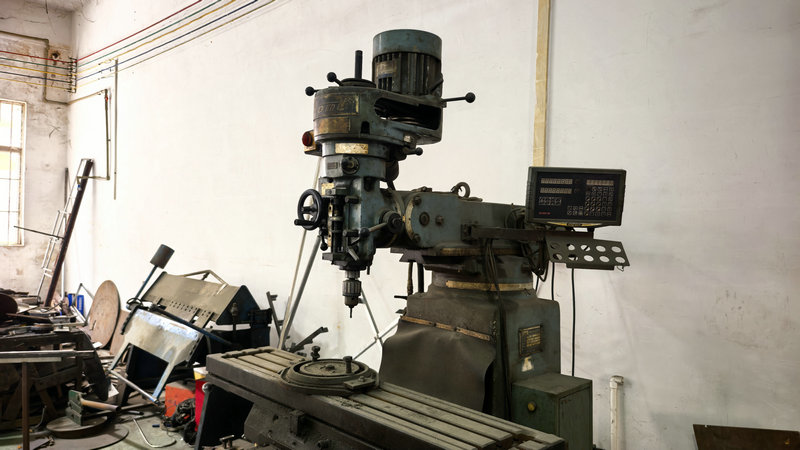
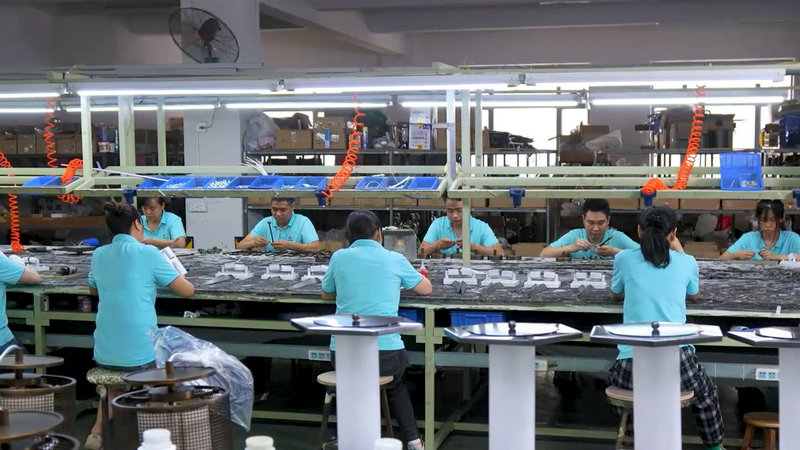
Building lighting systems ready for next-generation building management integration.
By installing dynamic optical networks within workspace ceilings, offices can reduce energy use. Integrated ambient light sensors automatically balance daylight with artificial illumination to keep desk-level lux levels consistent.
We work to lower the environmental impact of our products by using highly recyclable cast alloys, lead-free solder points, and powder-coated finishes that do not release VOC emissions.
Our custom hardware configurations allow building managers to swap driver types and install upgraded smart chips without replacing the physical housing.
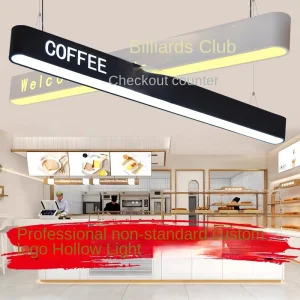
Explore our targeted commercial lighting assemblies, illuminated displays, and public area decorative options.
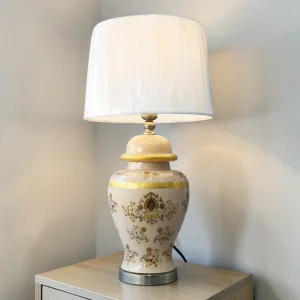
From design blueprint to on-site project commissioning.
We analyze architectural drafts and run DIALux simulations to calculate optimal spacing, target lux distributions, and potential glare issues before starting production.
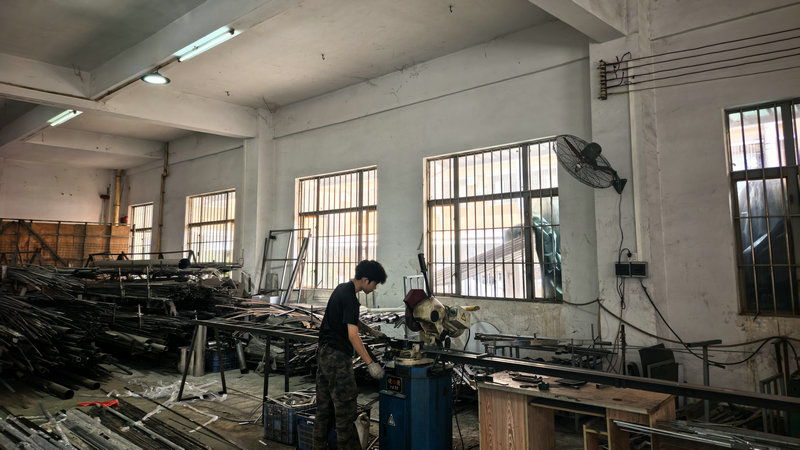
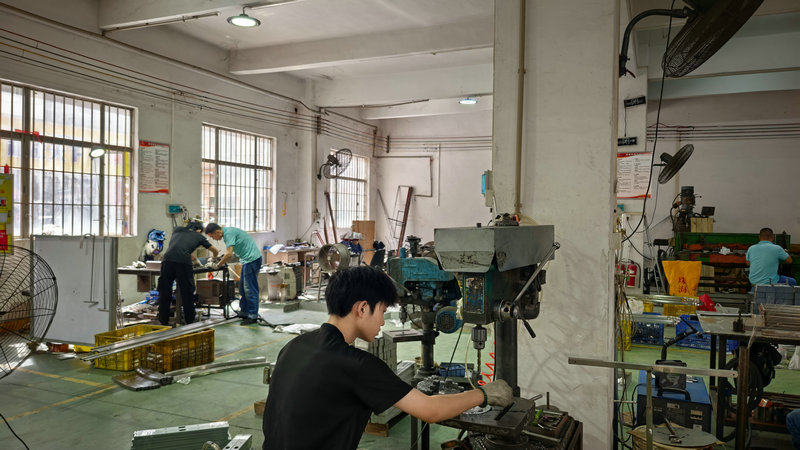
Using CNC cutting, drilling, structural welding, and surface grinding, our Guzhen facility fabricates aluminum and steel profiles to precise design shapes.
Luminaires undergo thorough testing, including thermal profiling, photometric distribution measurements, and insulation resistance tests prior to packaging.
Technical answers for architects, electrical contractors, and wholesale buyers.
 Sienna Lights