Engineered for architectural distinction, offering advanced optics, glare mitigation, and robust visual design integration.
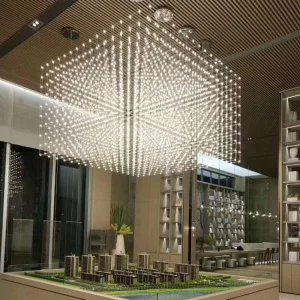
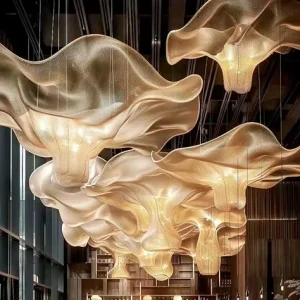
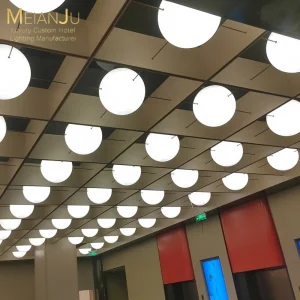
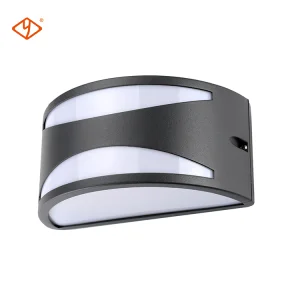
Why architectural lighting in the "First Impression Zone" directly impacts corporate identity, occupant well-being, and brand perception.
In modern corporate architecture, the reception area serves as the spatial handshake of an organization. Far beyond simple illumination, corporate office reception lighting acts as a physical medium that articulates brand values, sets cognitive expectations, and shapes emotional responses. Lighting design in these front-of-house areas is a highly specialized discipline where aesthetics, optical science, and physiological comfort intersect. Leading manufacturers in China are transitioning from basic luminaire fabrication to delivering highly customized, biologically active, and energy-compliant architectural solutions.
From a design psychology perspective, the reception area establishes the atmospheric tone. Correctly planned lighting manages transition zones from bright outdoor settings to controlled indoor workspaces, preventing visual fatigue. By prioritizing Human-Centric Lighting (HCL), designers utilize circadian-optimized color temperatures (CCT) that transition seamlessly from warm, welcoming tones in the early morning to crisp, focused cool light midday. This improves mental alertness for reception staff and instills a sense of professionalism and technological leadership in corporate visitors.
Utilizing targeted beam angles and luminaire distributions to guide visitor attention toward key zones like the reception desk, seating alcoves, and branded signage.
Maintaining UGR < 19 in desk spaces and seating areas, preventing visual discomfort for reception staff who look at screens throughout long shifts.
Combining large-format micro-prismatic acoustic fabrics with high-efficiency LED modules to absorb echoes in open-atrium reception areas.
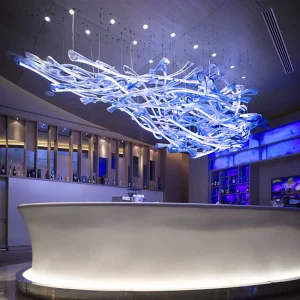
Furthermore, spatial delineation through lighting minimizes physical signage requirements. Directional downlights combined with wall washing draw the eye naturally to reception counters, while decorative chandeliers establish landmarks in spacious, double-height atrium lobbies. This spatial logic ensures that visitors experience an intuitive layout, reducing cognitive load from the moment they cross the entrance threshold.
Decarbonization, smart systems, and the shift toward integrated architectural ceiling solutions.
The global commercial office lighting market is undergoing rapid evolution, driven by regulatory demands for sustainability and the commercial real estate sector's focus on operational cost reduction. Green building certifications such as LEED (Leadership in Energy and Environmental Design), WELL Building Standard, and BREEAM have shifted from optional differentiators to industry standards. Office spaces must now operate with high-efficacy luminaires that deliver over 130 lm/W while maintaining exceptional color fidelity (CRI Ra ≥ 90, R9 ≥ 50).
As a result, modern lighting specifiers demand smarter systems. Simple on/off circuits have been replaced by networked intelligence. Integrating DALI-2 (Digital Addressable Lighting Interface), 0-10V analog dimming, and wireless mesh protocols (like Zigbee or Bluetooth Mesh) allows facilities managers to monitor real-time energy usage, automate schedules, and implement daylight harvesting. By sensing ambient light levels through floor-to-ceiling reception glass facades, smart lighting systems adjust the output of perimeter fixtures, reducing utility bills and thermal loads.
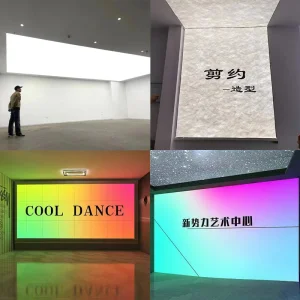
Another major trend is structural integration. Modern office designs prioritize high, open ceilings where traditional drop-in grid fixtures are not viable. This has increased demand for linear profile lighting, custom-fabricated acoustic pendants, and large-format luminous ceiling lightboxes. These systems must be engineered with advanced thermal dissipation mechanisms to ensure the longevity of high-power LED arrays in demanding commercial environments.
Located in Guzhen Town, Zhongshan - the Chinese Lighting Capital. A complete overview of our precision engineering and custom fabrication capabilities.
Guangdong Sienna Lights Co., Ltd. is a professional engineering-grade lighting manufacturer specializing in custom architectural lighting systems. Operating from our modern production base in Guzhen Town, Zhongshan, we combine spatial design, structural engineering, precision manufacturing, and comprehensive testing protocols to deliver custom lighting solutions for high-end office lobbies, luxury hotels, and commercial spaces.
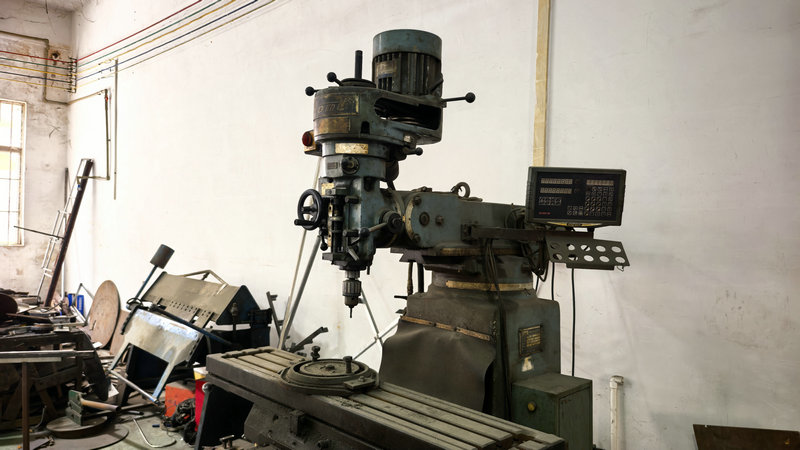
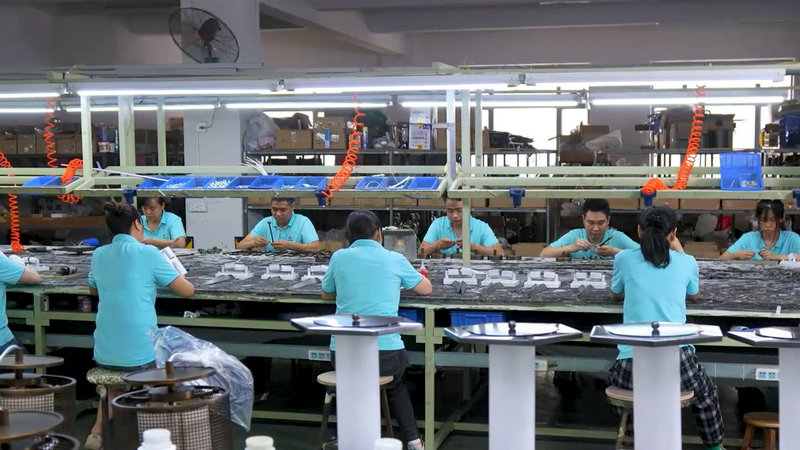
We excel in non-standard, custom projects where standard catalog fixtures cannot meet architectural requirements. Whether fabricating complex large-scale crystal chandeliers, curved linear profiles, or custom-designed front-desk illuminations, our engineering team manages the process from initial 3D modeling and structural calculation to finishing and optical verification. Our facility is equipped with dedicated workshops for heavy metal processing, precision CNC routing, welding, hand-finishing, and automated assembly lines.
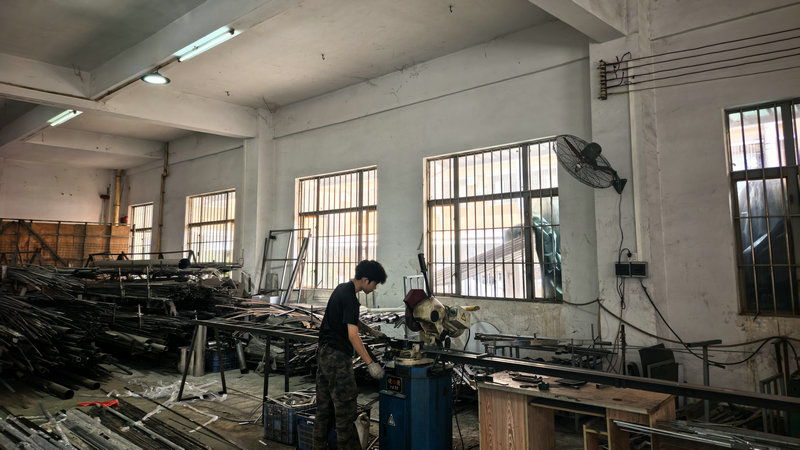
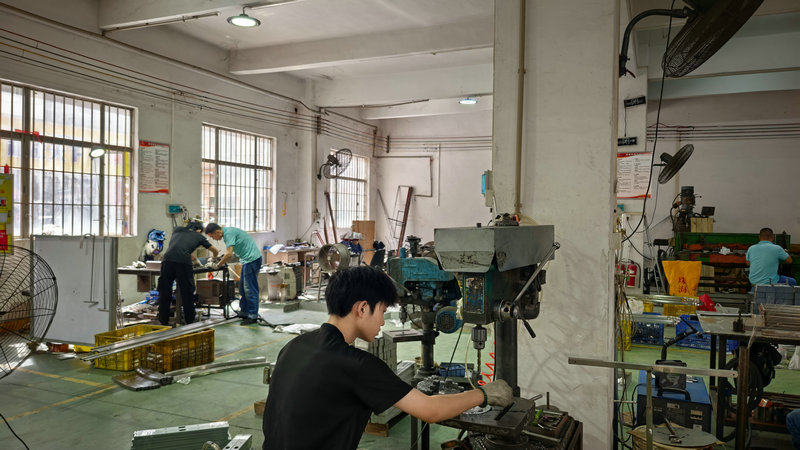
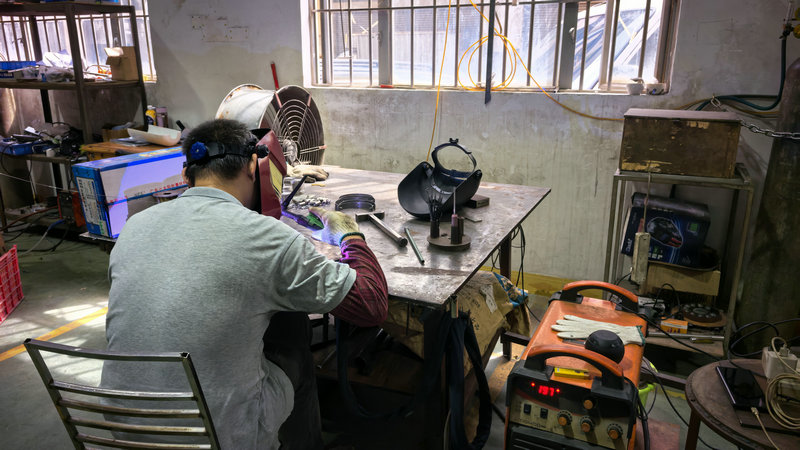
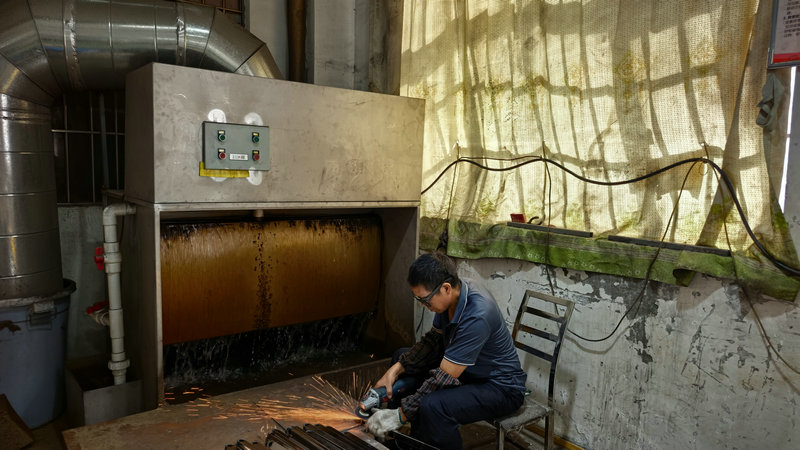
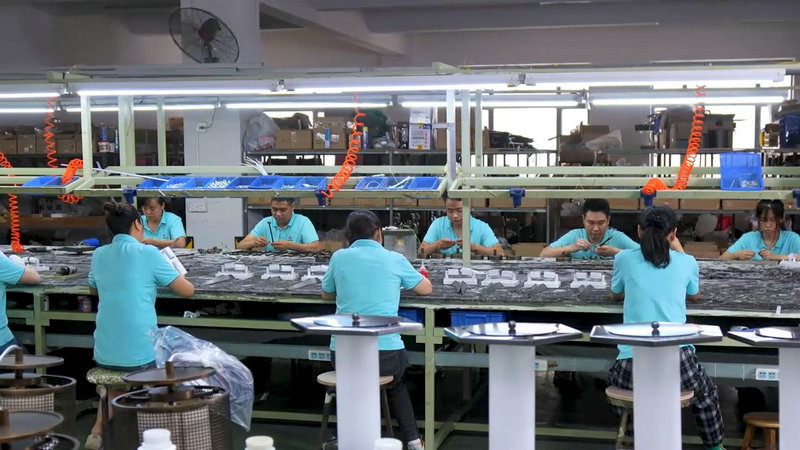
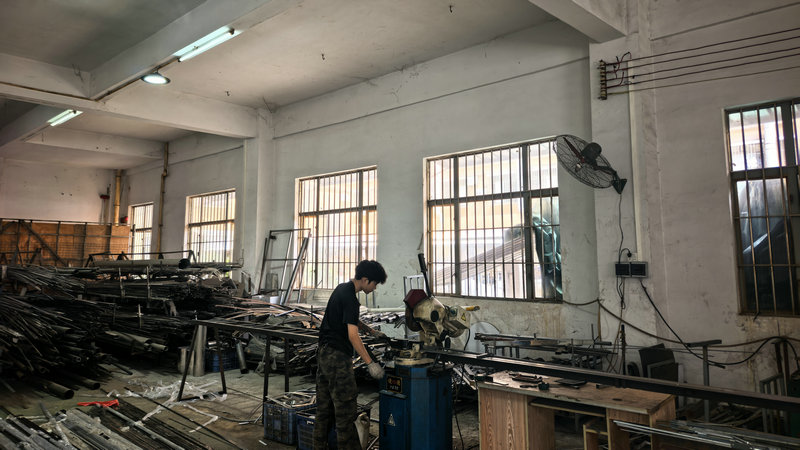
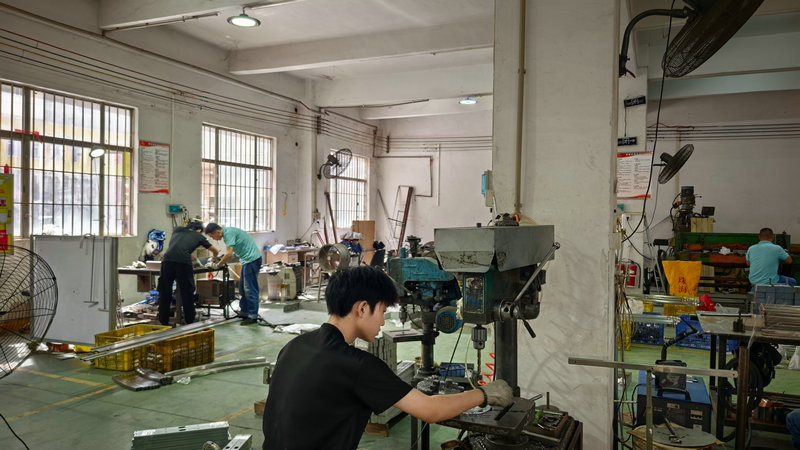
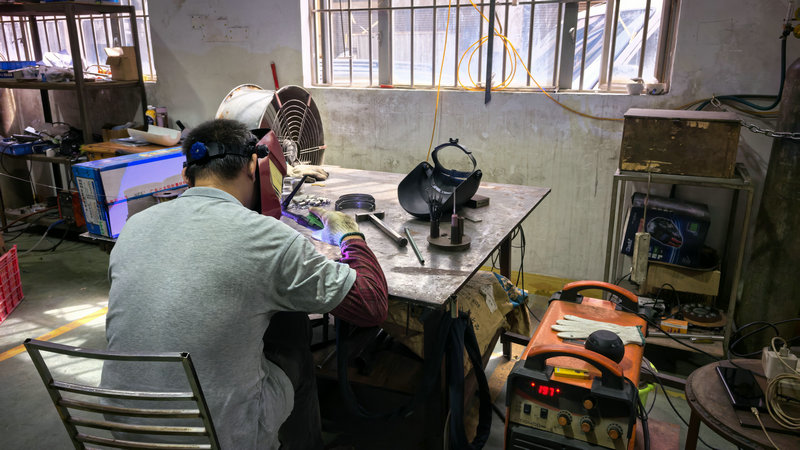

Meeting stringent global standards to ensure seamless customs clearance, regulatory compliance, and trouble-free project sign-offs.
Procuring lighting fixtures globally requires strict adherence to regional safety and electrical standards. Guangdong Sienna Lights Co., Ltd. ensures that all customized and non-standard lighting designs are manufactured to meet regional certification requirements:
| Target Market | Required Certifications | Engineering Specifications Met |
|---|---|---|
| North America (US & Canada) | UL, cUL, ETL, FCC Part 15 | 120-277V / 347V drivers, plenum-rated wiring, Class 2 power supply integration. |
| European Union & UK | CE, RoHS, ErP, UKCA | 220-240V CCT-tunable gear, flicker-free drivers (SVM < 0.4, PstLM < 1.0), eco-design compliance. |
| Middle East & GCC | SASO, Gulf Mark (G-Mark) | High-temperature operating drivers (up to Ta 50°C), surge protection (up to 10kV). |
| Asia-Pacific (APAC) | CCC, CB Scheme, SAA | Full system safety reports, compliant grounding terminals, and region-specific input plugs. |
Additionally, our team supports architectural and engineering firms by providing complete documentation packages. This includes detailed installation manuals, wiring schematics, driver specification sheets, photometrical data files (.IES and .LDT), and structural calculations for heavy overhead installations. We also offer project-based onsite engineering support and remote commissioning guidance for DALI or Bluetooth-controlled smart lighting layouts.
Designing custom luminaires optimized for specific spatial configurations and functional needs.
Requires high-lumen-output custom pendants or architectural chandeliers. Focuses on optical control to project functional light 8 to 12 meters down to the floor, combined with wide-angle wall-washers to illuminate vertical perimeter walls.
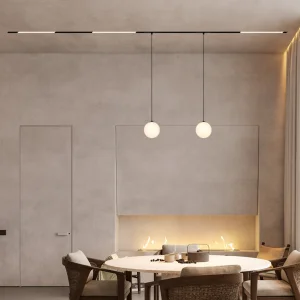
Combines low-profile linear pendants and recessed trimless downlights. Soft, diffused lighting prevents shadows on the receptionist's face and reflections on computers and registration screens.
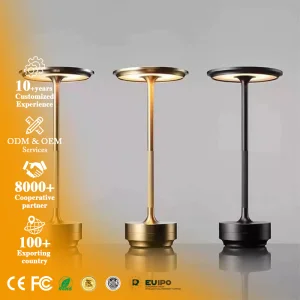
Utilizes indirect illumination, portable rechargeable accent lamps, and dimmable 2700K wall sconces. This creates a comfortable, hospitality-style environment for casual client meetings and waiting areas.
The technological integration of IoT, biodegradable components, and hyper-customization.
Sienna Lights continuously monitors industry trends to keep our custom products at the forefront of architectural lighting design. Our R&D roadmap focuses on three main pillars:
1. Intelligent Wireless Control Systems: Integrating driver technologies that support wireless mesh standards. This enables corporate tenants to reconfigure office layouts and light levels via software, rather than physical rewiring.
2. Sustainability & Circular Economy: Sourcing recyclable aluminum profiles, bio-resins, and modular LED engines. If a component fails or requires upgrading, only the specific LED board or driver is replaced, rather than discarding the entire fixture.
3. Extreme Color Tuning & Spectral Accuracy: Deploying multi-channel LED chips (such as RGB+CCT or SunLike chips) that reproduce the natural solar spectrum. This delivers high fidelity (CRI >97, TM-30 Rf >95) to match changing natural outdoor light.
Technical answers to help architects, designers, and project managers source custom lighting from China.
Our process begins with architectural CAD files or concept drawings. Our design team reviews the structural requirements, weight limits, and electrical loads. We provide a 3D CAD model and shop drawings for client approval. Once approved, we fabricate the physical structural frame, perform a dry fit assembly in our factory, wire the electrical components to regional standards (e.g., UL, CE), test the circuitry, and package the fixture in reinforced crates for global shipping.
We use electrical components (drivers, connectors, wires) that are UL/cUL listed or recognized. For custom or non-standard fixtures, we can coordinate third-party field inspections or certifier approval (such as ETL testing) before shipment. This ensures compliance with the National Electrical Code (NEC) and local municipal building codes.
Lead times depend on design complexity and project scale. Typically, shop drawings and engineering reviews take 7-10 days. Fabrication, surface finishing, and electrical assembly take 30-45 days. We recommend initiating custom project specifications at least 60-70 days before the scheduled on-site installation.
Yes. We wire our fixtures using high-performance, flicker-free drivers from brands like Mean Well, Tridonic, Lifud, and Philips. These support DALI-2, 0-10V, TRIAC phase-cut, and wireless protocols (such as Casambi, Bluetooth Mesh, or Zigbee), allowing integration with office building automation networks.
We provide a standard 3-year or 5-year warranty on all commercial-grade and engineering projects. This covers the structural components, the LED modules, and the power drivers. If any component fails during the warranty period, we provide free replacement components.
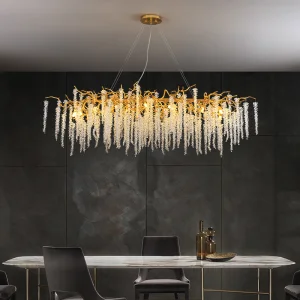
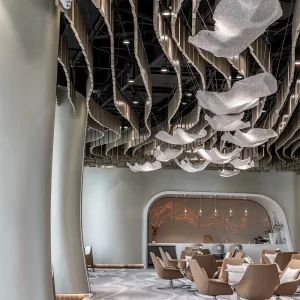
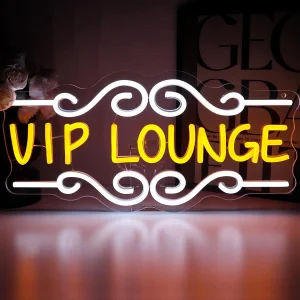
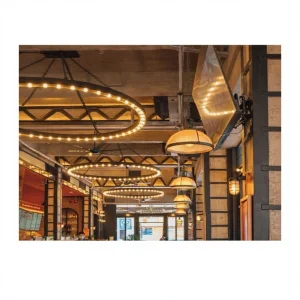
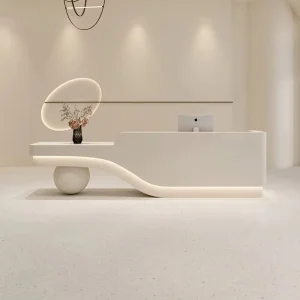
Specialized lighting designs, neon indicators, and customized architectural elements for modern reception spaces.
 Sienna Lights