How to Choose the Best Hotel Lobby Lighting in 2026?

Time:2026-10-29 Author:Charlotte
0%

A hotel lobby sets expectations before guests reach the front desk. In 2026, lighting must support arrivals, conversations, wayfinding, and evening ambience. The right scheme balances visual comfort, efficient operation, and the building’s design. Details matter.

The practical question is how to choose the right lighting for a hotel lobby without sacrificing comfort or character. Start with how people use each area: a bright reception desk needs clear, flattering light, while lounge seating calls for softer illumination. Layered lighting can combine general light, focused task lighting, and accents on artwork or textured walls. Check for glare on polished floors, glass, and screens. A beautiful fixture can still be the wrong choice.

This guide explains how to assess brightness, color quality, fixture placement, controls, and maintenance needs. It also considers how daylight changes the lobby throughout the day, and why dimming should feel smooth rather than abrupt. Compare product specifications, but do not rely on them alone; review samples or mockups in the actual space. A qualified lighting professional can help confirm technical choices, especially where ceiling heights, finishes, and operating hours complicate the plan. No single formula suits every hotel. That is worth remembering.
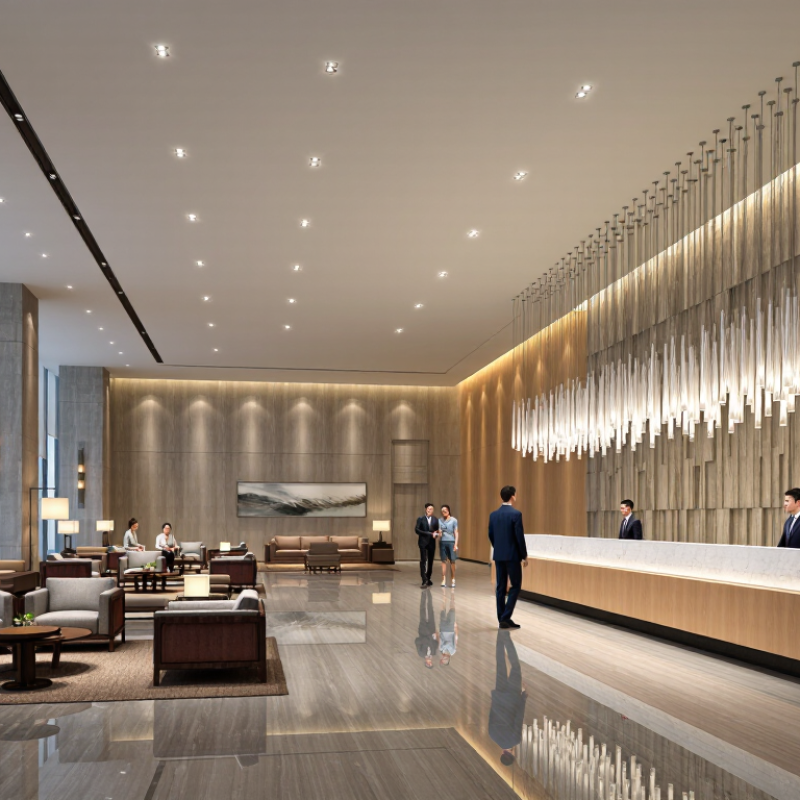
How to Choose the Best Hotel Lobby Lighting in 2026?

Assess Lobby Functions, Layout, and Guest Experience Goals

A hotel lobby rarely serves one purpose. It may handle check-in, informal meetings, waiting, and evening events within the same space. List these activities before choosing fixtures. Note where guests pause, how long they stay, and which areas need clear visibility. A reception desk needs balanced light on faces and paperwork, while a lounge benefits from softer illumination. Guests should still be able to read signs and find the entrance. Keep these needs visible.

Study the layout at different times of day. Tall windows can create glare in the afternoon, while dark corners may feel unwelcoming after sunset. Long sightlines call for even light that helps guests orient themselves; smaller seating areas can use warmer, lower-level accents. Avoid placing bright sources directly in a seated guest’s line of sight. A simple floor plan helps, but it can miss how the room actually feels. Test sample lighting on site.

Define the intended experience in practical terms: calm, lively, polished, or relaxed. Then consider how brightness, color temperature, and contrast support that mood without making tasks difficult. For a welcoming arrival, illuminate the desk and main route clearly, then let secondary seating areas feel gentler. Ask staff where guests hesitate or complain about glare. Their observations may challenge the design assumptions. Revisit the plan after a mock-up; lighting that looks elegant on paper can feel flat or harsh in use.

Evaluate Light Quality, Color Temperature, and Glare Control

Hotel lobby lighting should make arrivals feel welcome while keeping faces, signs, and seating easy to see. Judge light quality at eye level, not only from a ceiling plan. High color-rendering performance helps skin tones and finishes look more natural. Check how light falls on a guest’s face near the reception desk, where harsh shadows can make even a polished space feel uninviting.

Color temperature shapes the mood. Warm white light, often around 2700–3000K, can soften a lounge; a slightly cooler tone may suit a bright, active reception area. Keep adjacent zones reasonably consistent, or the shift can feel accidental. Glare needs equal attention. Shielded fixtures, diffusers, and careful aiming help prevent bright sources from appearing in guests’ direct view. Test after dark. Reflections in polished stone and glass may reveal problems that daytime checks miss. A neat specification can still disappoint in the actual room. Adjusting a few fixtures after installation is sometimes necessary, and that is worth allowing for.

How to Choose the Best Hotel Lobby Lighting in 2026? — Evaluate Light Quality, Color Temperature, and Glare Control
Lobby Area Suggested Illuminance Suggested Color Temperature Color Quality Glare and Distribution Practical Design Note
Reception and check-in desk 300–500 lux on the work surface 3000–3500 K CRI 90 or higher for natural-looking skin tones and materials Use shielded or recessed sources; aim for UGR 19 or lower where the UGR method applies Provide even task lighting without bright reflections on monitors, polished counters, or guest-facing screens.
Main circulation and arrival zone 100–200 lux on the floor 2700–3500 K CRI 80 or higher; use higher color quality where finishes or artwork need accurate rendering Keep luminaires out of direct sightlines where possible; avoid abrupt bright-to-dark transitions Use layered ambient and accent light so guests can identify routes and changes in floor level.
Lobby lounge and seating 100–200 lux ambient; 200–300 lux on reading surfaces when needed 2700–3000 K CRI 90 or higher is a useful target for furnishings, textiles, and skin tones Prefer diffused light and well-shaded table lamps; check seated eye-level views Use dimming or separate lighting zones to support both daytime use and a relaxed evening atmosphere.
Artwork and feature wall 150–300 lux on the feature, subject to material sensitivity 2700–3500 K, selected to suit the finish and surrounding light CRI 90 or higher; compare samples under the actual light source Position adjustable, shielded accent lights to limit reflected glare and visible hot spots Use lower levels for light-sensitive objects and follow conservation guidance where applicable.
Daylight-facing lobby edge Set electric lighting to complement measured daylight rather than a fixed value 3000–4000 K, coordinated with daylight and adjacent zones Maintain consistent color quality across daylight and electric-light scenes Control window brightness with suitable shading; avoid reflections on screens and glossy surfaces Use daylight-responsive dimming where appropriate and check the space at different times of day.
Overall specification and commissioning Confirm maintained illuminance against the project brief and applicable local requirements Keep neighboring zones visually compatible; avoid unnecessary color-temperature shifts Check CRI and, when relevant, additional color-rendering data in product documentation Review glare from standing and seated viewpoints; verify dimming performance at low output These are practical planning ranges, not a substitute for local codes, a site-specific lighting calculation, or professional commissioning.

Choose Fixtures and Layered Lighting for Each Lobby Zone

A hotel lobby is not one lighting scene. Guests move from the entrance to reception, seating, and lifts, and each zone needs a different balance of visibility and warmth. Start with ambient light from recessed downlights or discreet linear fixtures. Add focused task lighting at the reception desk, where staff need clear views of screens and documents. A soft accent on textured stone or timber can make the space feel more welcoming. Keep glare off glossy counters.

Use layers, not simply more fixtures. At seating areas, shaded table lamps and warm wall lights create calmer pockets, while brighter, even illumination helps guests read signs near circulation routes. The Illuminating Engineering Society’s hospitality guidance emphasizes visual comfort and task needs; adapt its recommendations to ceiling height, finishes, and daylight. A sample mock-up at night can reveal harsh reflections that plans miss.

Energy matters, too. The U.S. Energy Information Administration’s 2018 Commercial Buildings Energy Consumption Survey reports that lighting used about 17% of commercial-building electricity. That figure is not hotel-specific, but it supports choosing efficient sources and controls. Dimming by zone can reduce output when daylight reaches the lobby or activity slows. Sensors may help in quieter corridors, though poorly placed sensors can leave guests in an awkwardly dim space. A little imperfection remains: the best setting at noon may feel wrong after dark.

Compare Smart Controls, Energy Efficiency, and Maintenance Needs

How to Choose the Best Hotel Lobby Lighting in 2026?

A lobby needs more than bright, attractive fixtures. Controls should respond to changing daylight, guest traffic, and late-night check-ins. Dimming scenes can soften the seating area while keeping reception desks clearly lit. Occupancy sensors may help in back corridors, but they can frustrate guests if lights switch off too quickly. Test settings during busy and quiet periods.

The awkward bit? A smart system is only useful when staff can operate it without a manual.

Energy performance matters over years, not just on the first utility bill. The U.S. Department of Energy’s LED Lighting overview reports that LEDs use at least 75% less energy and can last up to 25 times longer than incandescent lighting. Those comparisons are not a guarantee of savings for every lobby. Actual results depend on operating hours, dimming, fixture choice, and existing equipment. Ask for a control-system demonstration and compare projected use with the lobby’s real schedule.

Maintenance belongs in the buying decision. Choose fixtures with accessible drivers, replaceable components, and clear service instructions. Ask how long replacement parts will remain available, and whether cleaning requires special tools. Dust gathers above reception desks. Tall ceilings can make even a small repair costly. One detail is easy to overlook: aggressive dimming may affect perceived color or comfort. Check samples in the actual space before specifying a full installation.

Plan Installation, Test Performance, and Refine the Lighting Scheme

How to Choose the Best Hotel Lobby Lighting in 2026?
Plan Installation, Test Performance, and Refine the Lighting Scheme

Plan the installation around how guests actually use the lobby. Mark reception desks, seating areas, artwork, and walking routes on a floor plan. Check ceiling height, existing wiring, daylight, and maintenance access before choosing fixture positions. Measure twice. A lighting plan that looks balanced on paper may create glare on polished floors or leave a dim patch beside the front desk. Ask an electrician to confirm circuit capacity and safe installation requirements.

Tips: Test sample fixtures in the lobby before ordering at scale. Check them during morning daylight and after dark. Look for facial shadows at reception, reflections on screens, and uneven light near seating. Keep notes on brightness settings and fixture locations; small details are easy to forget.

After installation, assess the space from a guest’s eye level, not only from the plans. Use dimmers or separate controls where practical, so staff can adjust lighting for changing daylight and evening activity. Change one setting at a time, then observe how it affects comfort and visibility. The first arrangement may not be right. That is useful feedback, not a failure. Recheck the scheme after furniture moves or seasonal daylight changes, and record any adjustments for future maintenance.

FAQS

What should a hotel lobby lighting plan consider?

List the lobby’s activities, such as check-in, waiting, meetings, and evening events. Note where guests pause and need clear signs.

How should reception lighting differ from lounge lighting?

Keep reception bright enough for faces and paperwork. Use softer light near lounge chairs. Avoid glare in seated guests’ eyes.

Why test lighting at different times of day?

Afternoon sunlight can create glare, while corners may feel gloomy after sunset. Test sample fixtures in the actual space. Plans can miss the room’s feel.

How can lighting help guests find their way?

Clearly illuminate the reception desk, entrance, and main route. Even light along long sightlines can help guests orient themselves.

What should staff check during a lighting mock-up?

Ask where guests hesitate or mention glare. Staff observations may challenge the design assumptions. That matters.

Are occupancy sensors suitable for every lobby area?

They may work in back corridors, but lights switching off too quickly can frustrate guests. Test sensor settings during busy and quiet periods.

How much energy can LED lighting save?

LEDs can use at least 75% less energy than incandescent lighting and last up to 25 times longer. Actual savings vary.

What maintenance details should buyers check?

Ask whether drivers and other components are accessible and replaceable. Check parts availability, cleaning needs, and repair access. High ceilings add cost.

Can dimming affect the guest experience?

Yes. Aggressive dimming may change perceived color or comfort. Check dimmed samples in the lobby before choosing fixtures.

Conclusion

Choosing the best hotel lobby lighting in 2026 starts with understanding how the space is used, how it is arranged, and what kind of welcome the hotel wants to create. Consider the needs of reception, seating, circulation, and social areas, then select light quality and color temperatures that support both comfort and clear visibility. Thoughtful glare control helps guests and staff feel at ease throughout the day.

To decide how to choose the right lighting for a hotel lobby, use a layered approach: combine ambient, task, and accent lighting, with fixtures suited to each zone. Compare control options, energy use, and maintenance requirements before finalizing the plan. After installation, test the lighting at different times and from key viewpoints, then adjust brightness, color, or fixture placement to improve the overall guest experience.

Charlotte

Charlotte

Charlotte is a seasoned marketing professional with a deep understanding of the company's portfolio and a passion for elevating its presence in the market. With a keen eye for detail and a commitment to excellence, she ensures that our professional blog is regularly updated with insightful articles......