Decorative wall lamps are more than just functional light sources; they play a crucial role in enhancing wall texture. According to the American Lighting Association, proper lighting significantly influences interior aesthetics. In fact, well-placed wall fixtures can transform a flat surface into a dynamic visual experience. Understanding how to use decorative wall lamps to enhance wall texture can elevate a space, making it feel more inviting and layered.
Recent studies suggest that textured walls can increase the perceived value of a property by up to 20%. The interplay of light and shadow created by decorative lamps accentuates the nuances of textures, whether it’s wood paneling, brick, or stucco. This artistic approach provides homeowners with an opportunity to express their unique style. However, many still overlook how critical positioning and selection of these fixtures are.
Creative lighting solutions are essential but may require some experimentation. For instance, differing bulb types can alter the effect, leading to unexpected results. Being aware of these variables is critical. As we explore how to use decorative wall lamps to enhance wall texture, remember that the right choice can dramatically amplify the character of any room.
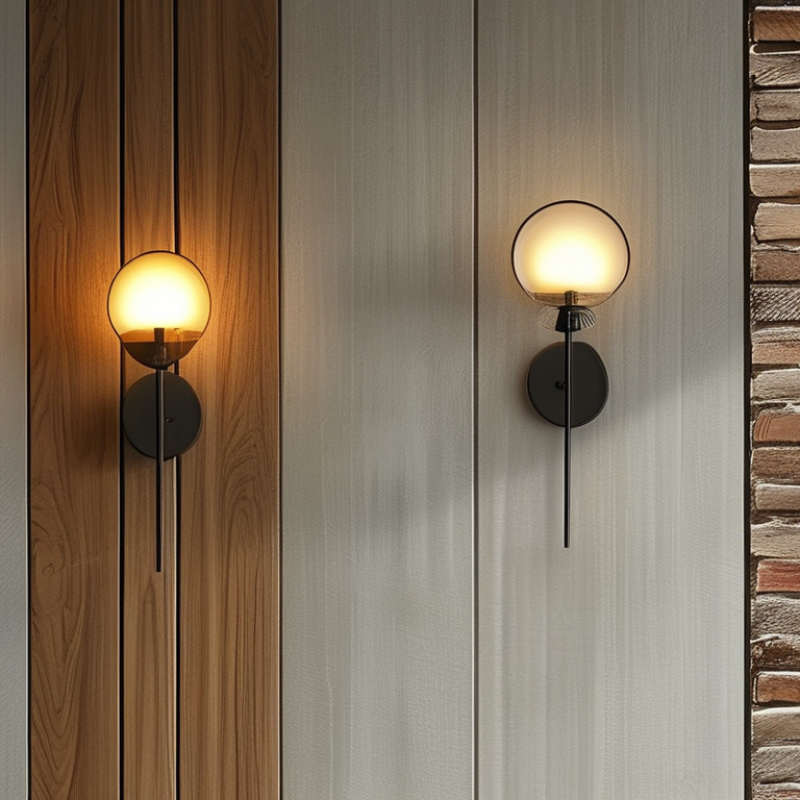
Selecting the Right Decorative Wall Lamps for Your Space
Choosing the right decorative wall lamps can significantly enhance the aesthetic of your space. Consider the size and scale of your wall lamp in relation to the room. According to a recent survey by the American Lighting Association, 70% of homeowners express dissatisfaction with their lighting choices. This highlights the importance of thoughtful selection.
Texture plays a critical role in visual appeal. Wall lamps can complement or contrast wall textures effectively. For example, a sleek, modern lamp can highlight rough stone or brick walls. Data from the National Interior Design Association shows that combining textures can increase perceived room depth by up to 30%.
Pay attention to the color temperature as well. Warm light can create a cozy atmosphere, while cool light often feels more expansive. The Illuminating Engineering Society recommends using a mix of light types to achieve a balanced look. However, achieving this balance requires careful planning. It is easy to overdo decorative lighting, leading to cluttered aesthetics. Reflect on how each piece contributes to your overall design vision.
Understanding the Impact of Light on Wall Texture and Color
Light plays a pivotal role in enhancing wall texture and color. According to a report by the Lighting Research Center, lighting can improve perceived textures by up to 30%. When choosing decorative wall lamps, consider the angle and direction of light. Uplighting highlights textures and shadows, creating depth, while downlighting can soften surfaces, making them appear smoother.
The interplay of light and color also affects ambiance. Warmer light tones can bring out earthy textures in materials like wood or brick. A study from the National Institute of Health notes that color perception can shift significantly under different lighting conditions. For instance, a soft yellow light can transform a stark white wall into a warm, inviting space.
However, achieving the desired effect isn’t always straightforward. Some lighting may not interact well with specific wall colors, leading to an unexpected appearance. Experimentation is essential. Adjusting the height of lamps and the type of bulbs used can make a huge difference. Even small changes can lead to more satisfying results or provoke a moment of needed reflection on design choices.
Techniques for Layering Light with Wall Lamps
Layering light with wall lamps can significantly enhance the texture of your walls. It's not just about illumination; it’s about creating depth. A well-thought-out lighting plan can elevate a room’s design while also improving its functionality. For instance, a study by the American Society of Interior Designers highlights that effective layering of light can increase perceived space by up to 25%.
Sconces placed at varying heights can direct light in multiple ways, transforming a flat wall into a canvas of shadows and highlights. Wash the wall with soft light to bring out textures like bricks or wood, creating a warm atmosphere. Incorporating accent lighting can add character and depth, guiding the eye to unique architectural details or artwork. However, achieving the right balance is crucial. Too many sources can make a space feel cluttered. While the goal is to create warmth, leaving some areas dim can encourage intrigue and coziness.
Experimenting is key. Sometimes, light placement may not work as anticipated. Relocating a wall lamp can lead to surprising results. It’s essential to test configurations and observe how light interacts with different surfaces throughout the day. Observational adjustments are a reliable way to achieve the most stunning and balanced effects.
Arranging Wall Lamps for Maximum Texture Enhancement
Arranging wall lamps thoughtfully can significantly enhance the texture of your walls. Proper placement can create shadows, highlights, and depth, transforming an ordinary wall into a stunning focal point. A survey by the American Lighting Association states that well-placed lighting can increase perceived space by up to 30%. This is crucial in smaller rooms where maximizing the feeling of space is often a challenge.
Consider the height and spacing of your wall lamps. Placing them at varying heights can accentuate the texture of wall materials. For example, illuminating a textured plaster or a shiplap wall can bring out its unique features. A report from the International Association of Lighting Designers highlights that layering lights in a room can also enhance the perceived warmth and comfort. This invites more interaction with the wall as it changes throughout the day.
Exploring different bulb types can yield diverse lighting effects. Warm-toned bulbs, for instance, enrich the textures and create a cozy atmosphere. However, balance is key; over-lighting can wash out details, making textures merely flat shadows. An understanding of your wall’s material and design is essential. Not every surface responds the same way to light. You may need to experiment with angles and distances to discover the best arrangement for your walls.
Complementing Wall Lamps with Other Decorative Elements
Decorative wall lamps can significantly elevate the ambiance of a space. However, to create a cohesive wall design, it's essential to complement these lamps with other decorative elements. Industry data shows that combining lighting with textures and colors enhances a room's overall aesthetic. For example, in a study by the American Society of Interior Designers, 78% of interior designers emphasized the importance of layering different textures for a visually appealing space.
One effective way to enhance wall texture is to use artwork or decorative mirrors alongside wall lamps. These elements can reflect the light and create depth. A recent report indicated that spaces with reflective surfaces appear larger and more inviting, as they help distribute light evenly. Additionally, natural materials like wood or stone, when combined with soft lighting, create a warm and inviting atmosphere.
Consider also incorporating plants or textiles. Greenery introduces a fresh element, while textiles can soften hard surfaces. The interplay between soft and hard materials can create a dynamic look. Yet, it is vital to maintain balance. Overcrowding with too many decorative pieces can lead to visual chaos. It's necessary to assess how each element interacts with the others to avoid overwhelming the space.
FAQS
: Light enhances wall texture and color, improving perceived textures by up to 30%.
Uplighting accentuates textures, while downlighting softens surfaces, making them appear smoother.
Yes, warmer light tones can add warmth to earthy materials like wood and brick, changing ambiance.
Different wall colors and lighting interactions may yield unexpected results, so testing is crucial.
Place lamps at varying heights and distances to create interesting shadows and highlights on walls.
Warm-toned bulbs enrich textures, but balance is essential to avoid washing out details.
Yes, over-lighting can flatten textures and remove depth, making walls appear less interesting.
Varying lamp heights can enhance unique wall features, creating visual interest.
No, different surfaces respond differently to light; experimentation is necessary for optimal results.
The need for balance and proper placement may require reflection on your design choices.
Conclusion
In exploring how to use decorative wall lamps to enhance wall texture, selecting the right lamps is crucial. The choice of styles, shapes, and finishes can significantly influence the overall aesthetic of a space. Understanding the impact of light on wall texture and color is also essential; different types of light can reveal or soften textures, creating various moods and depths within a room.
Layering light is a technique that maximizes the visual interest provided by wall lamps. By thoughtfully arranging multiple light sources, one can draw attention to specific features and enhance the architectural character of the wall. Furthermore, complementing wall lamps with other decorative elements such as artwork or mirrors can create a cohesive look that further enriches the textural appeal of your walls. By considering these strategies, one can effectively utilize decorative wall lamps to transform any space.

 Sienna Lights