Commercial lobby spaces serve as the first impression for visitors and clients. However, managing glare in these areas is crucial for comfort and usability. Renowned architect Sarah Johnson emphasizes, “Effective glare control can significantly enhance the visitor experience.” Her insights highlight the importance of thoughtful design in public spaces.
When exploring how to control glare in commercial lobby spaces, various strategies come to light. The use of appropriate window treatments, such as blinds or shades, can reduce harsh sunlight. Additionally, selecting the right materials for surfaces and furnishings contributes to glare management. The balance between aesthetic appeal and functionality can sometimes be challenging.
Consider the layout and lighting design as well. Utilizing diffused lighting can minimize the harshness caused by direct sunlight. Reflection from surfaces often leads to discomfort; therefore, careful planning is essential. Striking a balance between natural light and glare control is an art and a science, demanding reflection and adaptability.
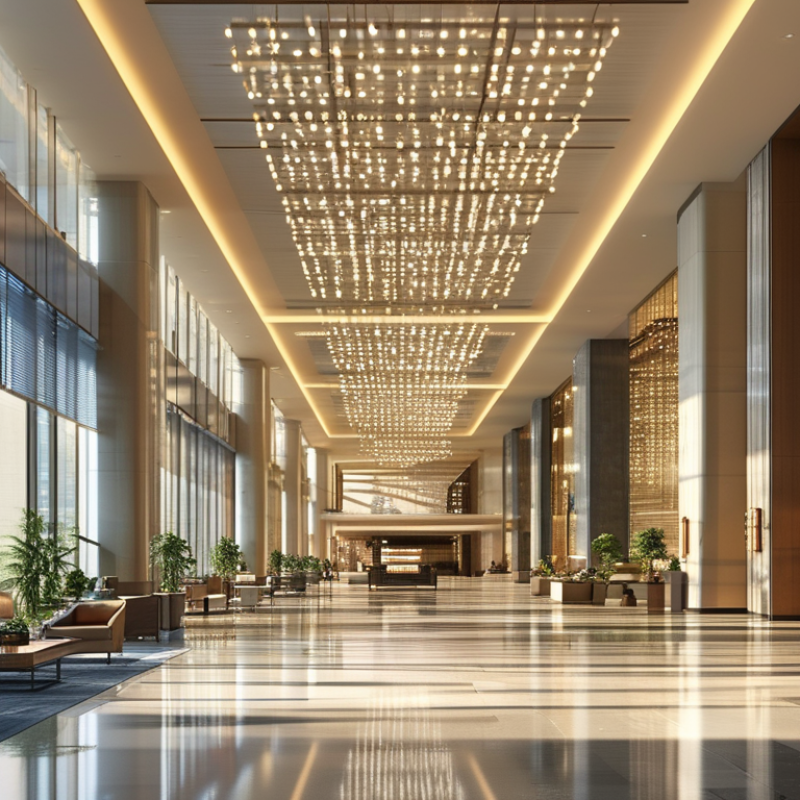
Glare in commercial lobbies can be a significant issue, impacting comfort and usability. Understanding glare is essential. There are two main types: direct glare and reflected glare. Direct glare occurs when a light source directly hits the eyes, while reflected glare happens when light reflects off surfaces, such as polished floors or glass.
Effective glare control is crucial for enhancing the lobby experience. Here are some practical tips to reduce glare. Use diffused lighting to minimize harsh shadows and bright spots. Consider installing light fixtures with adjustable angles to direct light where it is needed. Employ window treatments like shades or tinted glass to soften outdoor sunlight.
In addition to these suggestions, flooring choices can help manage glare. Choose materials with a matte finish to reduce reflections. Evaluate seating arrangements to ensure comfort and visibility. Don’t overlook the positioning of art or signs, as these can also cause distractions. Creating a welcoming atmosphere requires attention to glare issues. Keeping the lobby visually appealing is a continuous learning experience.
This chart illustrates the effectiveness of various glare control strategies used in commercial lobbies. The data represents the measured glare reduction percentages achieved through different approaches, including window treatments, seating arrangements, and lighting design.
Identifying sources of glare in lobby spaces is essential for creating a comfortable environment. Natural light entering through large windows can be a significant contributor. This brightness may cause discomfort for visitors. Overhead lighting can also create glare, especially if fixtures are poorly positioned. Combining both these elements can lead to an overwhelming experience.
Another common source is reflective surfaces. Polished floors and glass walls may inadvertently intensify light. Visitors might find it hard to see clearly, leading to frustration. It's vital to assess how these materials interact with light throughout the day. Changes in sunlight can shift the glare, affecting both mood and safety.
Moreover, the arrangement of furniture plays a role. Poorly placed seating can block views or reflect light in unhelpful ways. Thoughtful design choices are needed. This includes considering the height of plants and other elements in the space. Identifying and mitigating these sources of glare will enhance the lobby experience for everyone.
Lobby areas in commercial spaces often struggle with glare. Effective design strategies can significantly minimize this challenge. Natural light, while essential, can create discomfort for visitors. According to the Illuminating Engineering Society, up to 90% of employees report glare as a significant issue in workplace environments.
Implementing shading devices is one solution. Adjustable blinds or smart glass can regulate light. These systems can reduce glare by up to 80%, enhancing comfort without sacrificing natural light. Additionally, the layout of furniture plays a crucial role. Angling seating away from direct sunlight can help create a more inviting atmosphere.
Color choices also influence glare. Light colors reflect more light, while darker shades absorb it. A report by the American Institute of Architects suggests using softer, matte finishes to diffuse light. Bright, reflective surfaces can contribute to excess glare and lead to eye strain. Finding the right balance requires experimentation and adjustments. Designers must be willing to reassess these elements for optimal comfort in lobby spaces.
| Design Strategy | Description | Effectiveness Rating (1-5) | Implementation Cost ($) |
|---|---|---|---|
| Use of Window Films | Applying tinted or reflective films to windows helps reduce glare without blocking natural light. | 4 | 1500 |
| Adjustable Blinds | Installing adjustable window coverings allows for customizable light control throughout the day. | 5 | 800 |
| Skylight Design | Utilizing skylights with glare reduction features can diffuse harsh sunlight effectively. | 4 | 5000 |
| Light-Diffusing Materials | Incorporating light-diffusing materials in architectural elements helps in softening direct sunlight. | 4 | 3000 |
| Landscape Design | Strategically placing trees and shrubs outside windows can block direct sunlight effectively. | 3 | 2000 |
Creating an inviting commercial lobby requires careful attention to lighting. The right fixtures can significantly reduce glare. Consider fixtures that have adjustable brightness. This flexibility allows you to tailor the light levels according to different times of day. Use wall-mounted lights or ceiling fixtures that direct light away from the seating areas. This will minimize direct light exposure, which can be harsh for visitors.
Incorporating diffused lighting can soften harsh beams. Choose lampshades or covers that scatter light and create a warm ambiance. Natural light is another factor; using frosted glass windows can help. They would let in daylight but reduce glare. Test various light placements and intensities to find what works best for your space.
Sometimes, even with great lighting, glare can still be present. Regularly assess your lobby’s lighting conditions. Over time, adjustments may be necessary as furnishings change or as natural light sources vary. Ensuring ongoing comfort requires constant observation and willingness to adapt.
Managing glare in commercial lobby spaces is essential for ensuring comfort and functionality. Implementing effective window treatments is a key strategy. Studies indicate that 30% of office workers experience discomfort due to glare. Poorly managed lighting can lead to reduced productivity and increased eye strain. For lobby spaces, choosing the right window treatments can greatly enhance the visitor experience.
One effective option is using sheer curtains. These can diffuse natural light, reducing harsh glare without sacrificing brightness. Blinds offer flexibility, allowing for control of light throughout the day. A balance between aesthetics and functionality is essential. Research suggests that customizable window solutions can improve energy efficiency by up to 25%.
Tips for glare management:
: Glare refers to uncomfortable brightness that impacts usability. Understanding it enhances visitor comfort.
The two types are direct glare and reflected glare. Each affects visibility differently.
Use diffused lighting to minimize harshness. Consider adjustable fixtures and window treatments for better control.
Matte finish materials are recommended. They reduce reflections and enhance visual comfort.
Identifying glare sources helps create a comfortable environment. It is crucial for visitor satisfaction and safety.
Properly arranged furniture prevents blocking views and reduces glare. Design choices should consider light reflection.
Use adjustable fixtures to change light intensity. Wall-mounted lights can direct light away from seating areas.
Diffused lighting softens harsh beams, creating a warm ambiance. It enhances overall comfort in the space.
Regular assessments are necessary. Changes in furnishings and natural light may require adjustments over time.
Consider shades or tinted glass. They can help in softening direct sunlight and reducing glare effectively.
Effectively controlling glare in commercial lobby spaces is essential for creating a comfortable and inviting environment. Understanding glare's definition and types, as well as identifying its sources, is the first step in addressing this issue. Common sources of glare in lobby areas include excessive natural light and improperly positioned lighting fixtures, which can detract from the overall aesthetic and comfort of the space.
To mitigate glare, design strategies should focus on the careful arrangement of furniture, optimal placement of lighting, and the incorporation of indirect light sources. Additionally, implementing window treatments such as blinds or shades can significantly enhance glare management. By combining these approaches, commercial lobbies can achieve a balance between natural light and visual comfort, ultimately improving the experience for visitors on how to control glare in commercial lobby spaces.

Sienna Lights