The ambiance of a hotel lobby significantly influences guest perception. Lighting plays a crucial role in shaping this environment. Understanding how to choose the right lighting for a hotel lobby involves more than aesthetics; it requires a balance of function and mood.
Consider the purpose of the space. A lobby should welcome guests and provide comfort. Dim lighting may create a cozy feel, but too much can make the space uninviting. Reflecting on different types of lighting can enhance this experience. Ambient, task, and accent lights all serve distinct functions.
To achieve the best results, one must weigh the options carefully. Experimenting with different fixtures can lead to unforeseen challenges. Do the lights complement the decor? Are they energy-efficient? Knowledgeable designers can offer invaluable insights, but the process requires patience and consideration. Finding the ideal balance can be an ongoing journey.
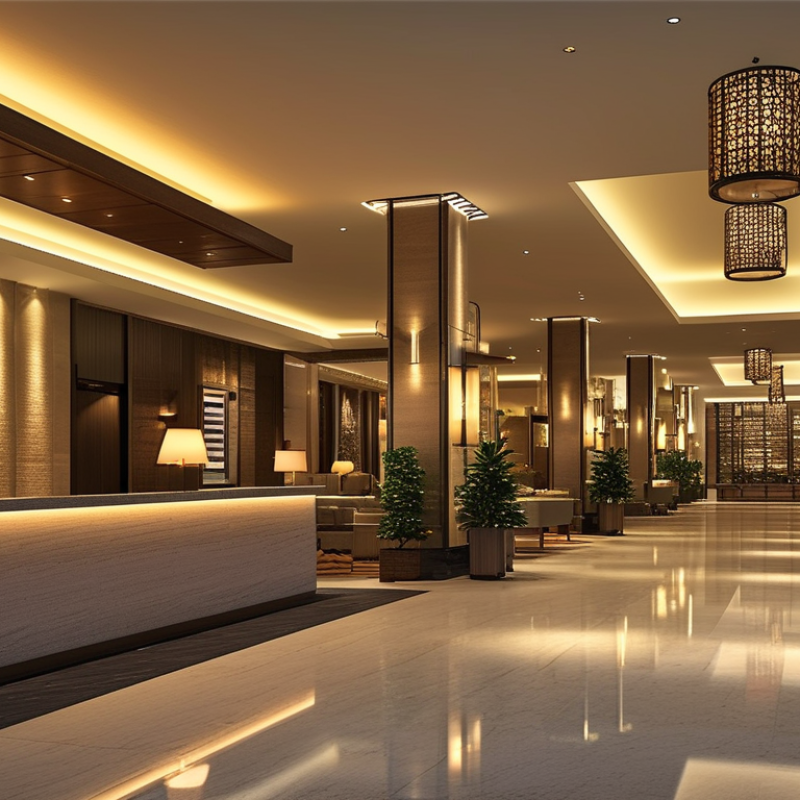
Lighting is a crucial element in hotel lobby design. It creates an inviting atmosphere that can influence a guest’s first impression. Effective lighting must balance aesthetics and functionality. It should highlight architectural features while providing adequate illumination for safety and comfort. A well-lit lobby can enhance the overall experience, making it memorable.
Tips: Consider using multiple light sources. Layered lighting creates depth and interest. Use ambient light to set the tone. Accent lights can spotlight art or unique design elements. Task lighting, like at the front desk, ensures functionality. Choose fixtures that complement your hotel’s style. Fixtures can become part of the decor.
Mood is essential in a lobby. Soft lighting encourages relaxation, while brighter lights energize. Pay attention to color temperature. Warm tones create a cozy feel, whereas cool tones feel modern and sleek. However, be cautious. Overly bright lights can feel harsh. Dim spaces may seem unwelcoming. A balance is key to achieving the right atmosphere.
Lighting plays a crucial role in shaping the atmosphere of a hotel lobby. Different types of lighting can evoke varied emotions and reactions from guests. Ambient lighting is essential for creating a warm and inviting environment. Research indicates that properly illuminated spaces can enhance guest satisfaction by up to 60%. It is the foundation layer, influencing first impressions significantly.
Task lighting, on the other hand, focuses on specific areas, such as seating arrangements or reception desks. This type enhances functionality. Bright, directed light can aid staff performance and improve guest experience. According to a study by the International Journal of Hospitality Management, effective task lighting can reduce check-in time by 20%. However, excessive brightness can create discomfort, leading to a need for balance.
Accent lighting can highlight architectural features or artwork, instilling a sense of luxury and sophistication. While this sophisticated approach can enhance the aesthetic appeal, it can backfire if not executed correctly. Overly dramatic lighting can detract from the overall ambiance. Ultimately, choosing the right lighting requires an understanding of the space and its intended effect on guests. It’s a delicate dance of light and shadow that speaks volumes about your establishment’s identity.
| Lighting Type | Characteristics | Effects | Best Usage |
|---|---|---|---|
| Ambient Lighting | Soft, diffused light that provides overall illumination | Creates a warm and welcoming atmosphere | Lobbies, reception areas |
| Task Lighting | Focused light for specific tasks | Enhances visibility for activities like reading | Business centers, seating areas |
| Accent Lighting | Highlight certain features or decorations | Draws attention and adds visual interest | Art displays, architectural features |
| Decorative Lighting | Lights with aesthetic appeal | Enhances the design and style of the space | Lobbies with style focus, event spaces |
| Natural Lighting | Light from windows or skylights | Creates an uplifting and energizing environment | Daytime use, lobbies with large windows |
When designing lighting for a hotel lobby, consider the lobby's size and layout. A spacious lobby may require layered lighting to create depth. Use a combination of ambient, task, and accent lighting. For smaller lobbies, focus on warm, inviting fixtures that enhance intimacy. Avoid overly bright lights that can feel harsh.
Tips: Measure the lobby dimensions before selecting fixtures. Tall ceilings benefit from chandeliers or pendant lights. For low ceilings, wall sconces can create a cozy atmosphere. Experiment with light placement to see what works best.
Consider how the layout impacts the flow of light. Open spaces allow more light to circulate naturally. If barriers exist, use strategically placed lights to avoid dark corners. Spotlight art pieces or architectural features to create focal points. Remember, the right balance of light prevents eye strain and enhances guest experience.
Lighting plays a crucial role in setting the mood of your hotel lobby. Color temperature, measured in Kelvin, significantly impacts the ambiance. Warm lights (around 2700K to 3000K) create a cozy and welcoming environment. This is ideal for inviting guests to relax and unwind. In contrast, cooler lights (above 4000K) evoke a more modern and energetic feel. Consider how these temperatures reflect your hotel's brand identity.
When choosing lighting, think about the lobby's layout. Soft, warm lighting works well in seating areas. It encourages conversation. Higher color temperatures can be useful near reception desks, highlighting staff efficiency without feeling harsh. Balance is vital; too much of either can detract from the desired atmosphere.
Tips to enhance your lobby lighting:
1. Layer your lighting. Use ambient, task, and accent lights to create depth.
2. Incorporate dimmers for flexibility. This allows you to adjust based on the time of day.
3. Experiment with fixtures. Unique designs can serve as focal points and conversation starters.
Reflect on how your lighting choices affect guest experiences. Are they drawn in by warmth or overwhelmed by brightness? Fine-tuning your approach can make a noticeable difference.
Choosing the right lighting for a hotel lobby is crucial. It creates the first impression for guests. Energy efficiency and sustainability should be at the forefront of every decision made. According to the U.S. Department of Energy, more than 20% of a hotel's energy costs come from lighting. Utilizing LED lights can reduce energy consumption by up to 75%. This shift is not just economical; it's environmentally friendly too.
Sustainable lighting solutions often have a longer lifespan. Traditional bulbs last about 1,000 hours, while LEDs can last over 25,000 hours. This longevity means fewer replacements and reduced waste. Hotels should consider natural lighting as a complementary source. Studies show that integrating natural light enhances guest mood and reduces energy costs further. However, relying solely on natural light is impractical in some locations or seasons.
It's essential to think about the ambiance created by different lighting types. Balance between lower energy use and the right aesthetic can be tricky. Striking this balance is an ongoing challenge. Regular evaluations of lighting effectiveness can lead to improved guest experiences and greater energy savings. Adopting a flexible lighting strategy is vital for continuous improvement and sustainability.
: Lighting sets the inviting atmosphere and influences guest first impressions.
Ambient, task, and accent lighting create depth and enhance functionality.
Warm lights feel cozy, while cool lights create a modern, energetic atmosphere.
Lobby dimensions affect fixture selection; tall ceilings suit chandeliers, low ones need wall sconces.
Use strategically placed lights to spotlight art and design features for focal points.
Harsh lights can feel uncomfortable, and dim areas may create unwelcoming spots.
Yes, dimmers allow for adjusting light intensity, creating a flexible atmosphere.
Soft, warm lighting encourages relaxation and fosters conversation among guests.
Overusing bright lights can overwhelm guests instead of inviting them in.
Yes, fixtures can be part of the decor and enhance the overall aesthetic.
When considering how to choose the right lighting for a hotel lobby, it is essential to understand the significant role lighting plays in creating a welcoming environment. A well-designed lobby should incorporate various types of lighting, including ambient, task, and accent lighting, to enhance the aesthetic appeal and functionality of the space. Assessing the lobby's size and layout is crucial for optimal light placement, allowing for a balanced illumination that highlights architectural features and guests' paths.
Furthermore, color temperature choices contribute to the atmosphere, with warmer tones fostering comfort and relaxation, while cooler tones can instill a modern and energizing feel. Additionally, focusing on energy efficiency and sustainability in lighting options not only reduces operational costs but also aligns with environmentally conscious practices. By taking these factors into account, hoteliers can make informed decisions to ensure their lobby lighting captivates guests and enhances their overall experience.

Sienna Lights