Selecting energy-efficient lighting for 24/7 hotel lobbies is crucial for enhancing guest experience and reducing operational costs. As industry expert Michael Thompson emphasizes, “Smart lighting not only saves energy but also creates inviting atmospheres.” This insight reveals the delicate balance between functionality and ambiance when choosing lighting solutions.
In hotels, lobby lighting plays a pivotal role. It sets the first impression. Bright, welcoming lights can draw guests in, while energy efficiency ensures sustainability. However, making the right choice can be challenging. Factors like brightness, color temperature, and fixture types must be considered. Not every option available is perfect, and the wrong selection might lead to a sterile environment rather than a warm welcome.
Understanding how to select energy-efficient lighting for 24/7 hotel lobbies requires both creativity and technical knowledge. Hotels should consider LED options that effectively use energy while providing adequate illumination. Brands like Philips and Cree offer various solutions. Ultimately, the goal is to create an inviting space that reflects the hotel's identity and values. Balancing elegance and efficiency can indeed be a reflective journey for hotel owners.
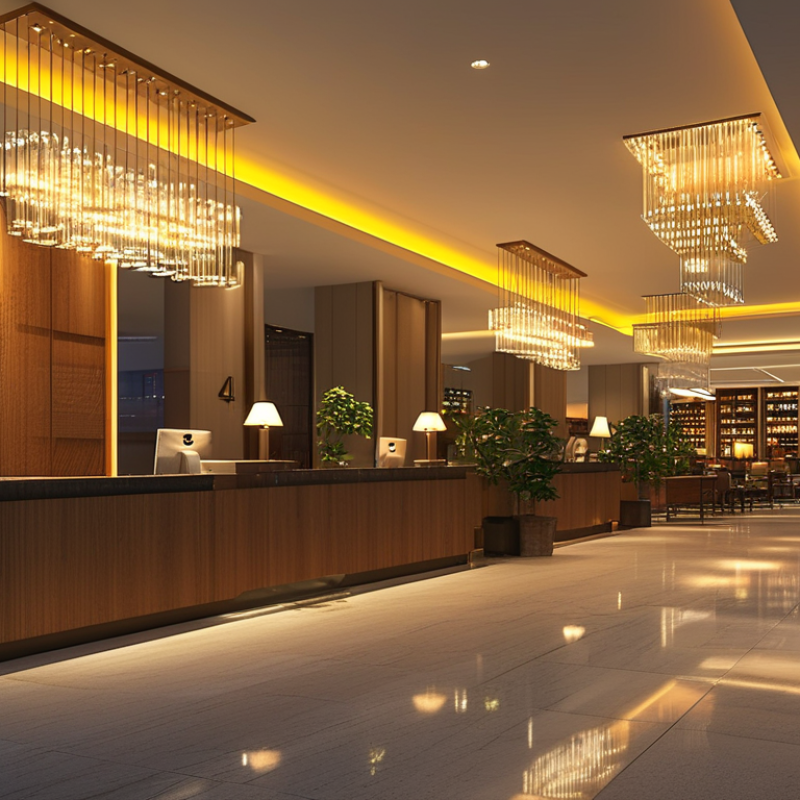
Energy efficiency in hotel lobby lighting is crucial for several reasons. Lobbies are often open 24/7, meaning the lighting is constantly in use. This extensive operation can lead to high energy costs. By choosing energy-efficient lighting, hotels can significantly reduce these expenses. The savings on utility bills can be redirected to other areas of the hotel, enhancing guest experiences or improving facilities.
Sustainability is another key aspect. Many guests now prioritize eco-friendly practices when selecting accommodations. Energy-efficient lighting options, such as LED bulbs, not only consume less energy but also have a longer lifespan. This reduces the frequency of replacements, contributing to lower maintenance costs. However, not all energy-efficient options may provide the desired ambiance. Hotels must balance cost savings with creating a welcoming atmosphere. Research is essential before making decisions. Pay attention to color temperature and brightness to ensure the lobby feels warm and inviting.
Choosing the right energy-efficient lighting for hotel lobbies is crucial. Lobbies operate 24/7, which means lighting plays a significant role in both ambiance and energy costs. According to the U.S. Department of Energy, lighting can account for up to 25% of a commercial building’s energy use. Therefore, selecting appropriate lighting options can lead to substantial savings.
LED lighting emerges as a popular choice due to its long lifespan and energy efficiency. Studies suggest that LED lights can reduce energy consumption by about 75% compared to traditional incandescent bulbs. With an average lifespan of 25,000 hours, they require fewer replacements, which helps reduce maintenance costs.
However, not all LEDs are created equal. Picking the right color temperature is critical. For hotel lobbies, a warm white light (around 3000K) is often recommended for a welcoming atmosphere. Still, some hotels need brighter light for security purposes, which can create a conflict. Additionally, some hotel managers overlook dimming capabilities. Integrating dimmable features can help adjust lighting based on the time of day and occupancy, optimizing energy use. Finding the right balance between aesthetics and functionality can be challenging but is essential for creating an inviting environment.
Lighting design in hotel lobbies shapes the guest experience significantly. Effective lighting sets the mood and enhances comfort. It can influence how guests perceive the space. Proper lighting can create an inviting atmosphere, leading to longer stays and increased satisfaction. In a 24/7 environment, balance is key. Daylight simulation during daytime hours offers a welcoming vibe. In contrast, softer, warmer tones can make the space feel cozy during late hours.
Energy efficiency is also a critical concern. Hotels can cut costs and reduce their carbon footprint by choosing LED solutions. However, striking the right hue and intensity can be tricky. Not all energy-efficient lights create the desired ambiance. Some LEDs may produce harsh lighting that feels uninviting. Evaluating the longevity and replacement frequency of bulbs is essential too. A low initial cost might lead to higher long-term expenses if replacements are frequent.
Guest feedback should guide lighting choices. Observing guest interactions in different lighting setups can reveal preferences and areas for improvement. It’s a constant learning process. Each hotel lobby is unique and may require tailored lighting solutions. Relying on established lighting principles while being open to experimentation can enhance both guest experience and energy efficiency.
| Lighting Type | Wattage (W) | Lifespan (hours) | Lumens Output | Energy Efficiency Rating | Impact on Guest Experience |
|---|---|---|---|---|---|
| LED | 10 | 50,000 | 800 | A+ | High, pleasant atmosphere |
| CFL | 15 | 10,000 | 900 | A | Medium, can be harsh |
| Incandescent | 60 | 1,000 | 800 | D | Low, outdated look |
| Halogen | 50 | 2,000 | 800 | C | Moderate, bright light |
When selecting energy-efficient lighting for 24/7 hotel lobbies, understanding different lighting technologies is crucial. LED lights have gained popularity due to their longevity and efficiency. Reports from the U.S. Department of Energy indicate that LEDs use at least 75% less energy than traditional incandescent lighting. They also last 25 times longer, making them a cost-effective choice over time. However, the upfront cost of LEDs can be higher, leading some to overlook their long-term benefits.
Fluorescent lighting offers another alternative. It is more affordable upfront but consumes more energy than LEDs. Although fluorescent bulbs have a shorter lifespan, they still provide energy savings compared to incandescent options. The U.S. Energy Information Administration suggests that switching to fluorescent options can reduce energy costs by up to 70%. Yet, these bulbs contain mercury, which raises concerns about their disposal and environmental impact.
Other technologies, like smart lighting systems, allow hotels to dim lights during late-night hours. This can result in additional energy savings. Nevertheless, the initial installation can be complicated and costly. There are trade-offs to consider when evaluating lighting choices for hotel lobbies. Balancing cost, environmental impacts, and energy efficiency is key to optimizing hotel lighting strategies.
Implementing smart lighting systems in hotel lobbies is essential for energy efficiency. A recent report from the U.S. Department of Energy highlights that smart lighting can reduce energy consumption by up to 60% compared to traditional systems. By automatically adjusting brightness and color temperature, these systems enhance both comfort and ambiance for guests, crucial in a 24/7 operation.
Consider incorporating motion sensors and daylight harvesting. These technologies allow lights to dim or turn off when the lobby is unoccupied or sufficiently lit by natural sunlight. Research shows that integrating smart sensors can cut operational costs by as much as 30%. However, this also requires ongoing maintenance and calibration to ensure optimal performance.
Wireless controls and centralized management systems offer another layer of convenience. Hoteliers should analyze their specific needs before implementation. Not all environments will benefit equally, and some may find initial setup costs daunting. Regular reviews of system performance can prevent wasted energy and resources, ensuring the investment is justified over time.
: Lighting design significantly shapes the guest experience by setting the mood and enhancing comfort.
Energy efficiency helps hotels reduce costs and lower their carbon footprint, which is crucial for sustainability.
LEDs last longer and use at least 75% less energy than traditional lighting, making them cost-effective.
Some LEDs can produce harsh lighting that feels uninviting, potentially impacting guest comfort.
Fluorescent lights are another option, providing upfront savings but consuming more energy than LEDs.
Smart systems can automatically adjust lighting to save energy, improving comfort during late-night hours.
Motion sensors can dim or turn off lights when areas are unoccupied, further reducing energy use.
High initial costs and complex installation can discourage hotels from upgrading to smart lighting systems.
Regular maintenance ensures optimal performance and helps prevent wasted energy and resources over time.
Guest feedback can reveal preferences that inform tailored lighting solutions, enhancing their overall experience.
Selecting energy-efficient lighting for 24/7 hotel lobbies is crucial for enhancing guest experience while minimizing operational costs. The process begins with assessing the importance of energy efficiency, considering factors such as sustainability and long-term savings. When determining how to select energy-efficient lighting for 24/7 hotel lobbies, it's essential to explore various options such as LED and fluorescent lights, which offer different benefits in terms of longevity and power consumption.
Moreover, effective lighting design can significantly impact guest comfort and ambiance, making it imperative to evaluate how lighting influences both the aesthetic appeal and energy use. Implementing smart lighting systems can further optimize energy management, allowing for dynamic adjustments based on occupancy and natural light availability. Through thoughtful planning and technology integration, hotels can create inviting lobby spaces that reflect their commitment to efficiency and guest satisfaction.
Sienna Lights