Lighting plays a crucial role in creating the right atmosphere for hotel restaurants. The proper light can enhance a dining experience. It can also influence mood and perception of space. This brings us to the question, "what is the best color temperature for hotel restaurants?"
Color temperature affects the ambiance of a restaurant. Warmer lights create a cozy environment, ideal for intimate dinners. Conversely, cooler lights can offer a modern and vibrant feel. Many hotel restaurants often overlook this important aspect of design. The right temperature not only attracts guests but can also impact their overall satisfaction.
Understanding your target audience is critical. Different diners have varying preferences for lighting. Some may prefer soft, warm hues, while others might favor bright, cooler tones. Experimenting with different options can lead to insightful discoveries. It is essential to find a balance that fosters comfort and enhances the dining experience.
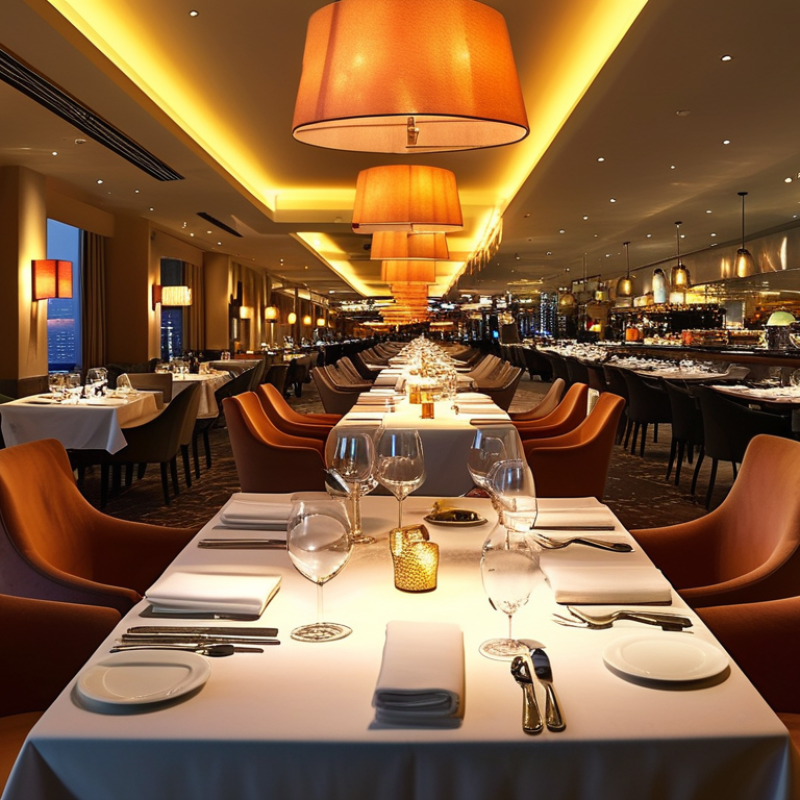
Color temperature plays a vital role in hotel restaurant lighting design. It directly influences the mood and experience of guests. Warm white light (around 2700K) tends to create a cozy atmosphere. It is inviting and encourages relaxation. In contrast, cooler temperatures (4000K and above) can feel vibrant and energizing. This can lead to a more dynamic dining experience.
Choosing the right color temperature is not always straightforward. Factors such as the restaurant's theme and time of day must be considered. For instance, a romantic dinner setting might benefit from warmer tones. However, a breakfast or brunch spot may thrive under brighter, cooler lights. The balance between aesthetics and functionality can be challenging.
Lighting also needs to be adaptable. Switching between color temperatures can enhance different dining periods. Consider using dimmable fixtures to adjust the ambiance. Reflect on how guests react to various lighting settings. Sometimes, guest feedback reveals unexpected preferences. Balancing warmth and modernity is essential for a successful restaurant environment.
The color temperature of lighting in hotel restaurants significantly affects the overall ambiance. Research indicates that
warmer hues, ranging from 2700K to 3000K, create a cozy and inviting atmosphere. Such environments tend to encourage longer dining experiences and enhance social interactions among guests. In contrast, cooler temperatures around 5000K can feel harsh. They might be suitable for a quick bite but can detract from the
relaxed dining vibe sought by many customers.
A study conducted by the International Journal of Hospitality Management notes that guests reported feeling more relaxed and satisfied in settings with warm lighting. About 70% of participants preferred environments where the color temperature hovered around 3000K. This preference underscores the critical role of
lighting in enhancing mood and creating memorable guest experiences. However, it’s important to note that lighting must also complement the interior design and branding of the restaurant. A mismatch could result in confusion or a less enjoyable experience.
Visibility is another factor. While lower temperatures are often associated with comfort, they may hinder visibility. Proper lighting should balance ambiance with practicality. Restaurant managers must carefully consider not only the mood they wish to evoke but also how dine-in customers navigate the space.
Integrating various color temperatures can help avoid a one-size-fits-all approach.
Choosing the right color temperature for hotel restaurant lighting is crucial. It sets the mood for dining and influences guest experiences. In general, warm white light between 2700K and 3000K is highly recommended. This range creates a cozy atmosphere that encourages relaxation and enjoyment. Guests naturally feel more at home in such warm light, enhancing their overall experience.
However, some areas may benefit from cooler temperatures. For example, breakfast or buffet areas might use lights around 3500K. This helps create an energetic and vibrant setting. Bright white light can stimulate the appetite and make food appear fresh. Yet, these cooler tones may not suit every dining style or theme. Balancing warmth and brightness is key.
Consider your restaurant’s intended vibe. Some guests prefer softer light while others may appreciate a bit of brightness. It’s important to experiment and gather feedback. Finding the perfect balance may take time. Recognizing that preferences differ can lead to better adjustments in lighting strategies. In the end, understanding these nuances helps create a welcoming and enjoyable environment for all diners.
Lighting sets the mood. A hotel restaurant requires a careful balance of warm and cool lighting. Warm tones create a cozy, inviting atmosphere. They soothe diners and encourage longer meals. Think about soft yellows and gentle oranges. These colors can enhance dishes and make food more appetizing.
Cool tones, on the other hand, bring energy to the space. Bright whites or soft blues can promote alertness. They suit lunch crowds seeking quick meals. However, too much cool light can make a space feel sterile. It’s crucial to find balance.
Consider using layered lighting: ambient, task, and accent. Dine by brighter task lights when reading a menu. Enjoy the ambiance under softer, warmer fixtures. This approach fosters diverse dining experiences throughout the day. Every detail matters. A single flick flickering light can disrupt the harmony. Investing time in the right color temperature is vital for guest satisfaction.
| Lighting Type | Color Temperature (Kelvin) | Ambiance | Best Use Case |
|---|---|---|---|
| Warm White | 2700K - 3000K | Cozy and inviting | Casual dining, intimate settings |
| Neutral White | 3500K - 4100K | Balanced and natural | Brunch, family dining |
| Cool White | 5000K - 6500K | Bright and energizing | Business lunches, modern bistros |
| Daylight | 6500K - 7000K | Vibrant and focused | Events, breakfast buffets |
Choosing the right color temperature for hotel restaurant lighting can significantly impact guest experience. Studies show that a color temperature between 2700K to 3000K creates a warm and inviting atmosphere. This range mimics natural light, promoting a sense of comfort. A survey by the International Association of Lighting Designers indicates that 70% of diners feel more relaxed in spaces with warmer lighting.
Implementing ideal color temperatures involves practical steps. Consider using dimmable LED fixtures to adjust lighting based on the time of day. For instance, brighter light in the morning can energize guests, while softer tones in the evening can encourage lingering. According to the Lighting Research Center, adjusting color temperature throughout the dining experience can enhance ambiance and mood. However, it’s crucial to avoid extremes; overly dim or harsh lighting can deter guests.
Incorporating multiple sources of light will enhance the dining experience. Layering ambient, task, and accent lighting creates depth. A well-lit area with features like warm wall sconces can draw attention to focal points. Still, the challenge lies in balancing brightness and warmth without creating glare. It’s a continual learning process that requires feedback from guests to perfect the environment.
: Warm hues, between 2700K and 3000K, create a cozy and inviting ambiance.
Warmer lighting encourages longer dining experiences and enhances social interactions among guests.
A mismatch in lighting may cause confusion and lead to a less enjoyable experience for diners.
While warm lighting offers comfort, it can reduce visibility. A balance between ambiance and practicality is essential.
Cool tones promote alertness and energy, making them suitable for quick dining experiences.
Layered lighting—ambient, task, and accent—can create diverse experiences throughout the day.
The right color temperature enhances guest satisfaction; even a flickering light can disrupt the dining harmony.
Warmer lighting can enhance dishes, making food look more appetizing to diners.
Too much cool lighting can create a sterile atmosphere, which may be uninviting to guests.
They should carefully consider the mood they want to create and how guests navigate the space.
In the realm of hotel restaurant lighting, understanding color temperature is crucial for creating the right ambiance. Color temperature, measured in Kelvin (K), influences how a space feels, affecting diners' moods and experiences. When considering what is the best color temperature for hotel restaurants, warmer tones (around 2700K to 3000K) typically foster a cozy and inviting atmosphere, ideal for casual dining. In contrast, cooler temperatures (above 4000K) can evoke a more energetic feel, suitable for vibrant, social settings.
Balancing warm and cool lighting throughout different areas of the restaurant can enhance diverse dining experiences. Practical tips for implementation include layering light sources to achieve the desired temperature and adjusting lighting based on the time of day or specific dining events. Ultimately, a thoughtful approach to color temperature not only elevates the dining experience but also reflects the hotel's brand and values.

Sienna Lights